
Lieferung heute & morgen

Qualitätsgarantie

Willkommens-Angebote freischalten: KOSTENLOSE Lieferung | Bis zu 80 % RABATT | Kostenlose 30-Tage-JoyPlus-Testphase
App herunterladen
A toddler learning tower is a valuable addition to many family homes. It allows toddlers to safely participate in everyday activities at eye level, whether it's helping prepare meals in the kitchen or washing their hands at the sink. However, the market is vast, and not every model lives up to its promises. This guide will help you navigate common purchase pitfalls and make an informed decision.
When purchasing a learning tower, often called a kitchen helper for kids, there are several traps that can lead to frustration and unnecessary expense.
To avoid a poor purchase, you should focus on three key features. These define a safe, durable, and practical toddler standing tower.
Your child's safety is the top priority. A high-quality learning tower is characterized by a stable and tip-resistant design. Look for a wide base and a construction that can safely support the child's weight, even during movement. A T?V-certified learning tower is a reliable sign that the product meets strict safety standards. This certification includes stability and load tests, among other things. Additionally, the tower should enclose the child on all sides to prevent falls.
A height-adjustable learning tower is an investment that pays off over several years. Models with an adjustable standing platform can be adapted to the child's height. This ensures the tower provides an ergonomically correct and safe height from around 18 months into the preschool years. A learning tower for toddlers 18 months and up should ideally offer at least two to three different height settings to grow with the child.
A wooden learning tower is often the preferred choice, as wood is a robust and durable material. Look for solid wood like beech or birch and clean workmanship with no sharp edges or splinters. An FSC certificate indicates that the wood comes from sustainably managed forests. The surfaces should be treated with saliva-resistant and child-safe varnishes or oils.
Based on the criteria above, we have compiled a selection of products for various needs and use cases.
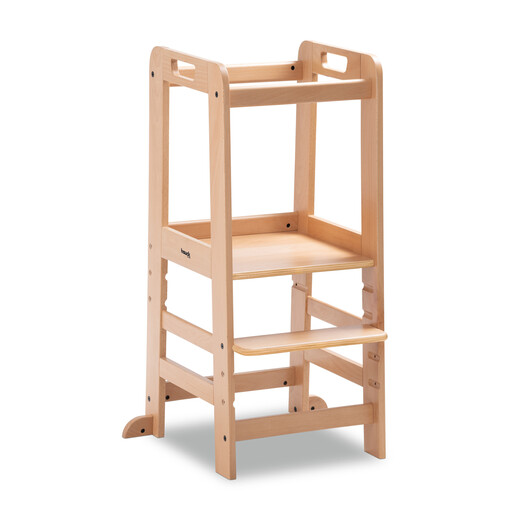
Why It's a Great Fit: This model meets the core requirements for a safe and practical learning tower. It allows children to actively participate in family life in the kitchen or bathroom, promoting their independence according to Montessori principles.
The construction is T?V-certified, confirming its stability. With three height settings for the platform, the tower grows with your child, avoiding the trap of a static model. The beech wood used is FSC-certified.
Supports up to 40 kg for long-term use. The design blends harmoniously into modern living spaces.
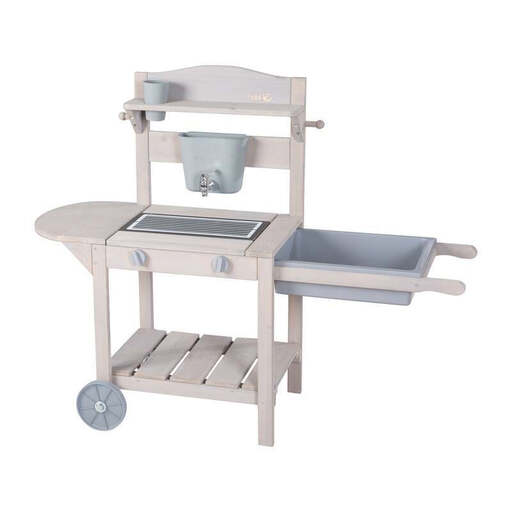
Why It's a Great Fit: For families who want to encourage imaginative role-playing around cooking, in addition to practical participation. This play kitchen is a supplement or alternative that stimulates creativity and social skills.
This product bypasses the pitfall of limited use by being designed as a versatile toy. It's not just a static object; thanks to its wheels, it's mobile and suitable for both indoor and outdoor use. The wood is FSC-certified.
Promotes creative play with realistic details like a grill surface and a plastic tub. A water container with a working tap allows for real water play.
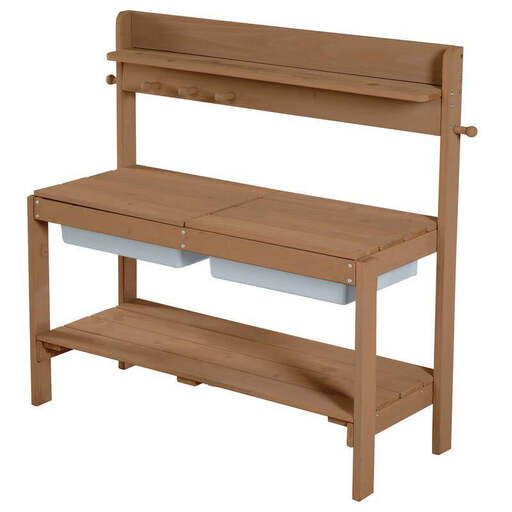
Why It's a Great Fit: Ideal for outdoor play. This mud kitchen allows children to experiment with sand, water, and soil, discovering nature in a playful way while "helping" adults with gardening.
Durability is ensured by weather-resistant glazed solid wood. The kitchen is versatile and can be used indoors as a craft table in winter, extending its use far beyond a single season.
Two removable plastic tubs for easy cleaning. Large storage surfaces offer plenty of space for toys and accessories.
We have compiled a complete, up-to-date list of products that fully meet these strict selection criteria and German safety regulations.
A learning tower is generally useful from the time a child can stand independently and securely. This is often around 18 months of age, which is why many products are designated as a learning tower from 18 months. Always follow the manufacturer's age recommendation and never leave your child unattended in the tower.
To clean a wooden learning tower, a damp cloth is usually sufficient. Avoid aggressive chemical cleaners, as they can damage the material and be harmful to the child. For untreated wood, light dirt can be carefully removed with fine sandpaper.
The terms are often used interchangeably. A Montessori tower, in the stricter sense, refers to a piece of furniture that follows the Montessori pedagogy and promotes the child's independence. It allows the child to safely reach adult height to participate in everyday tasks. Most high-quality learning towers are designed according to this principle.