
Lieferung heute & morgen

Qualitätsgarantie

Willkommens-Angebote freischalten: KOSTENLOSE Lieferung | Bis zu 80 % RABATT | Kostenlose 30-Tage-JoyPlus-Testphase
App herunterladen
The range of toys for toddlers is vast and often overwhelming. As a parent or grandparent, you want to make a choice that not only brings joy but also supports development. However, many products promise more than they deliver. This guide will help you navigate the common pitfalls and make an informed decision.
Before we dive into recommendations, it's important to understand the most common issues that lead to disappointment and unnecessary expense.
To avoid a bad buy, you should focus on three core, objective parameters. These will help you evaluate a product's quality, independent of marketing promises.
Safety is non-negotiable. For plastic toys, look for the BPA-free label and sturdy construction without sharp corners or burrs. For wooden toys, like a wooden baby walker, the FSC seal is a key indicator of sustainable and responsible forestry. Additionally, all paints and finishes should be water-based and non-toxic. Check if the product complies with the European toy safety standard EN 71.
A good motor skills toy should challenge without overwhelming.
An educationally valuable toy is often distinguished by its ability to "grow" with the child. An adjustable seat on a balance bike, a convertible tricycle, or a modular indoor climbing frame offers play value for several years, justifying a higher initial investment.
Here are some product recommendations tailored to different needs and age groups that meet the criteria mentioned above.
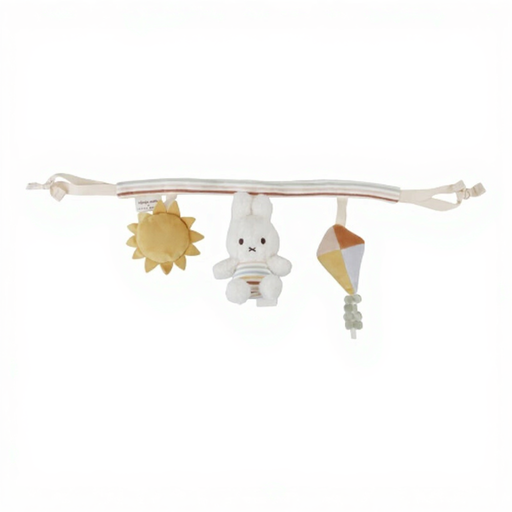
Why it's a great fit: It's specifically designed for the sensory stimulation of infants. The different hanging toys (rattle, squeaker) encourage grasping and auditory perception. Its easy attachment to a car seat or pram makes it a practical companion on the go.
This toy avoids the "all-in-one" trap by focusing on one core function: simple, age-appropriate sensory stimulation without unnecessary electronics.
Specifically promotes hand-eye coordination and sensory development. The soft materials are safe for babies.
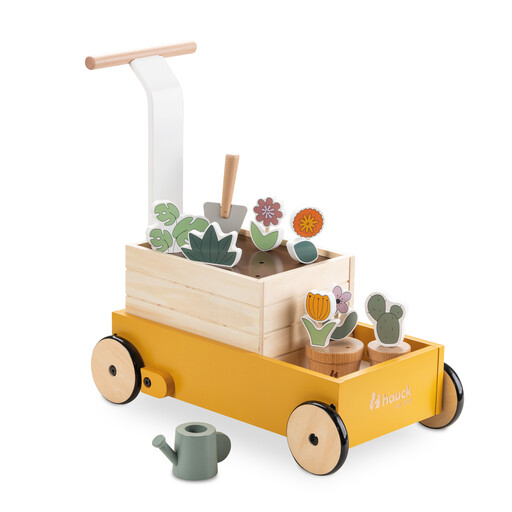
Why it's a great fit: This walker not only supports a child's first steps but also doubles as a doll's pram or a wagon for other toys, thanks to its large storage area. It combines walking support with imaginative play.
It directly addresses the safety trap: The product is made from FSC-certified wood and features a braking system that allows you to adjust the wheel speed.
Sturdy wooden construction and an adjustable brake function ensure controlled and safe learning to walk.
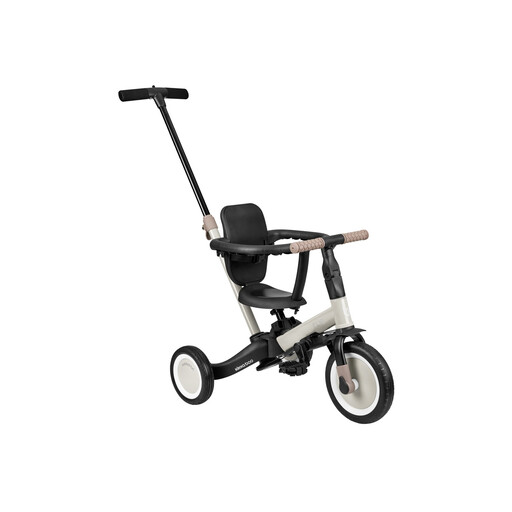
Why it's a great fit: This tricycle is a prime example of a toy that grows with your child. It converts from a push-along for the youngest toddlers to an independent trike for five-year-olds, offering an exceptionally long period of use.
This product cleverly bypasses the "multi-function" trap. Each of the five modes is thoughtfully designed for a specific developmental stage and is fully functional, rather than making compromises.
Long-term usability from 1 to 5 years thanks to its 5-in-1 design. The robust carbon steel frame ensures stability in every configuration.
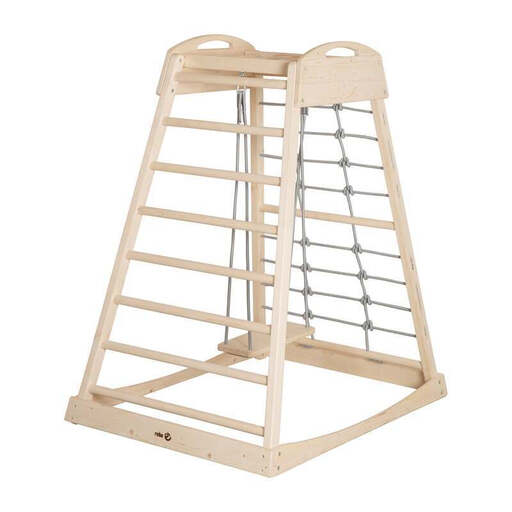
Why it's a great fit: Ideal for active children who need to burn off energy, even on rainy days. This Montessori-inspired climbing frame promotes strength, coordination, and independent exploration in a safe environment.
This product avoids the trap of being short-lived. With a weight capacity of up to 70 kg and construction from solid natural wood, it is designed for years of use, not just one season.
Promotes gross motor skills and self-confidence. The robust and durable construction offers long-lasting fun.
We have compiled a comprehensive, up-to-date list of products that fully meet these strict selection criteria and European safety regulations.
A baby walker is generally useful when a child begins to pull themselves up on furniture and stand independently, which is usually around 10 to 12 months of age. It is crucial that the model has an adjustable braking system. This prevents the walker from rolling away too quickly and gives the child the necessary stability for their first steps.
This term describes toys that specifically promote certain skills (motor, cognitive, social) in an age-appropriate way without overstimulating the child. Key features often include a simple design, the use of natural materials, and the encouragement of free, imaginative play where the child can discover their own solutions.
Always place the frame on a level, stable surface, ideally on a soft play mat. Regularly check that all screws and connections are tight. Strictly adhere to the manufacturer's specified maximum weight capacity and age recommendations. Adult supervision is essential during play.