
Lieferung heute & morgen

Qualitätsgarantie

Willkommens-Angebote freischalten: KOSTENLOSE Lieferung | Bis zu 80 % RABATT | Kostenlose 30-Tage-JoyPlus-Testphase
App herunterladen
Anyone looking to prepare authentic Asian dishes will sooner or later encounter an ingredient that plays a central role in many recipes: tofu skin. Also known as yuba or fuzhu, it is often only found in specialised shops or online. However, the selection can be overwhelming, and without the right knowledge, it's easy to make the wrong purchase. Many home cooks experience frustration when the result doesn't meet their expectations.
As your Joybuy Product Recommendation Officer, I'll help you identify the most common pitfalls and make an informed decision. The three typical problems when buying tofu skin are:
This guide will show you which objective criteria to consider to find the perfect product for your culinary project.
To buy the right tofu skin, it's helpful to understand three fundamental parameters. These determine the texture, flavour, and ideal culinary use.
Tofu skin is essentially the film that forms when soy milk is heated, which is then skimmed off and dried. Depending on how it's processed, different forms with specific cooking properties are created.
Besides the form, the processing method is crucial for preparation and flavour.
A short and clear ingredient list is often an indicator of a high-quality product. Ideally, tofu skin consists of only soybeans and water. Some manufacturers specify the use of non-GMO soybeans, which is a relevant quality feature for many buyers. Products from traditional regions of origin, such as Shiping in Yunnan province, are known for their special production methods.
Here are some recommendations tailored to different needs and cooking styles.
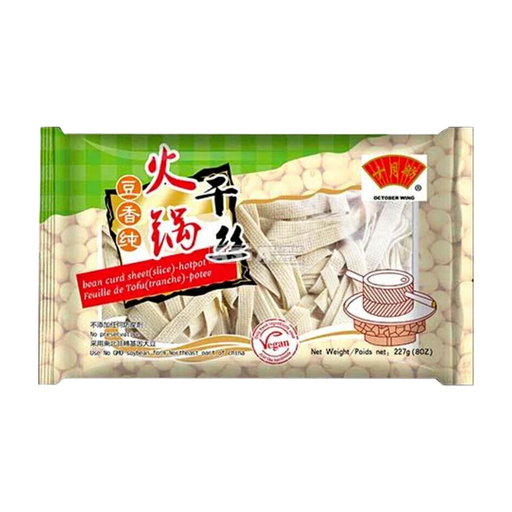
Why This Fits Their Persona: These tofu strips, specially developed for hot pot, offer a firm, chewy texture that won't disintegrate even after prolonged cooking. They absorb the flavours of the broth exceptionally well and are a classic ingredient for an authentic hot pot experience.
The product is explicitly labelled as an ingredient for hot pot. This prevents the mistake of buying an unsuitable variety that would become too soft or fall apart in the hot broth.
Rehydrates quickly directly in the pot; maintains a pleasant, firm-to-the-bite consistency.
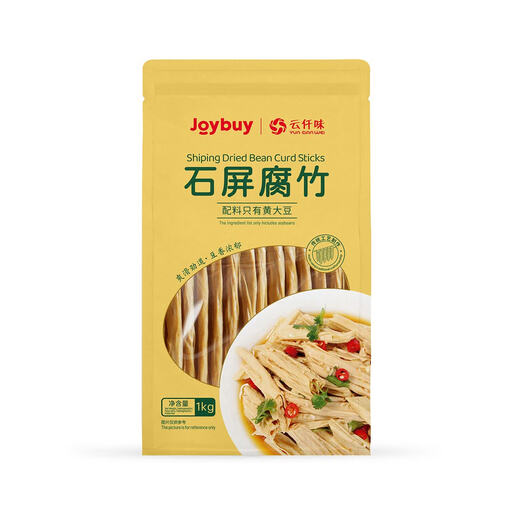
Why This Fits Their Persona: These tofu sticks come from Shiping, the "hometown of tofu" in China, and are made using traditional methods. The bulk packaging and pure ingredient list (only soybeans) appeal to cooks who value authenticity and quality and use the ingredient regularly.
The transparent ingredient list, consisting only of soybeans, rules out hidden additives. The mention of its origin guarantees a product made according to traditional methods.
Authentic origin; pure ingredients with no additives; resilient texture that stays intact during cooking.
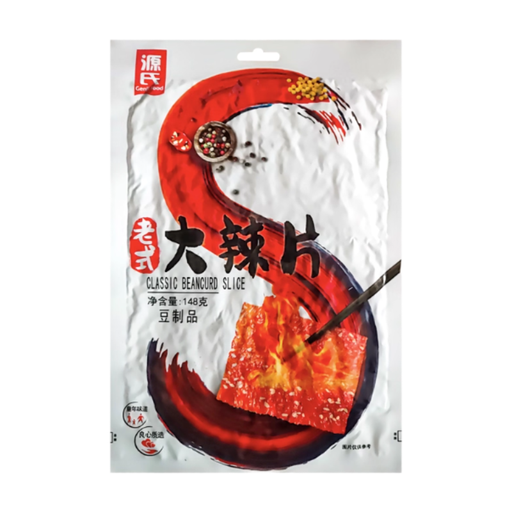
Why This Fits Their Persona: For anyone who wants to try Chinese tofu specialities as a ready-to-eat spicy tofu snack. This product is ready to eat, flavourful, and individually packaged—ideal for on the go or as a simple, protein-rich snack.
The "Ready to eat" label makes it immediately clear that no preparation or soaking is required, thus avoiding a common user error.
No preparation needed; savoury and spicy flavour; individually wrapped for freshness and convenience.
We have compiled a complete, up-to-date list of products that fully meet these strict selection criteria and local regulations.
Dried tofu sticks must be rehydrated before cooking. Break the sticks into manageable pieces and soak them in plenty of lukewarm water for two to four hours. Hot water should be avoided, as the outside will soften too quickly while the core remains hard. Once the sticks are pliable and soft throughout, you can drain the water and proceed with your recipe.
Tofu skin is the general term for a variety of products made from the film of soy milk. Tofu sheets are a specific form: very thin, flat, and dried layers. In contrast, dried tofu sticks (fuzhu) are thicker because they consist of multiple layers that have been rolled or folded before drying.
Yes, pickled tofu is a ready-to-eat condiment. It is not eaten in large quantities like regular tofu. A small amount (e.g., half a cube) is enough to give a strong, salty-savoury flavour to rice, congee, or steamed buns. It can also be mashed and used as a base for sauces or marinades.