
Lieferung heute & morgen

Qualitätsgarantie
App herunterladen
Kategorien
Choosing the right toilet brush is a key decision for your bathroom's hygiene and ease of maintenance. Modern toilet brush sets have evolved far beyond traditional models, offering significant upgrades in material, design, and functionality. Key differentiators include the brush head material, the holder's construction, and the ergonomic design of the handle. These factors directly influence the product's cleaning efficiency, drying speed, and overall durability.
Your choice should be based on an objective analysis of product features. Here are the key aspects to consider for an informed decision.
The brush head material is the most critical factor for cleaning performance and hygiene.
A toilet brush and holder form a single functional unit. The holder's design is as crucial for hygiene as the brush itself.
The physical design of a toilet brush dictates its ease of use.
Based on the technical criteria above, we present two models that meet specific demands for functionality and design.
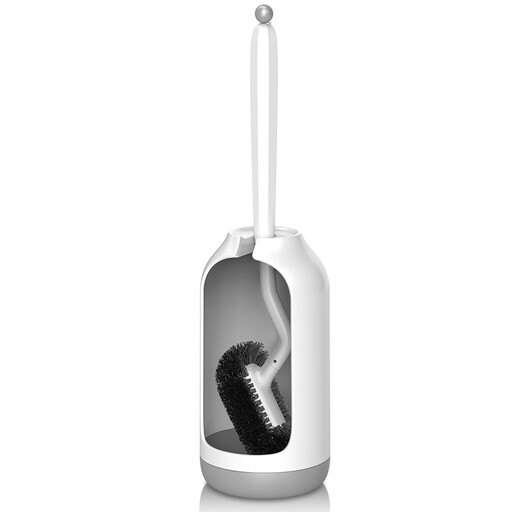
Why We Recommend This Product The HAMITOR set stands out with its patented, curved brush head featuring dense, S-shaped bristles. This design is engineered for 360° cleaning, specifically targeting the toilet outlet and difficult-to-reach grooves and edges. The holder features a patented, semi-open suspended design that promotes rapid water evaporation to enhance hygiene.
Advantages
Best For This set is ideal for users who prioritise a residue-free clean in hard-to-reach areas and prefer a quick-drying, floor-standing solution.
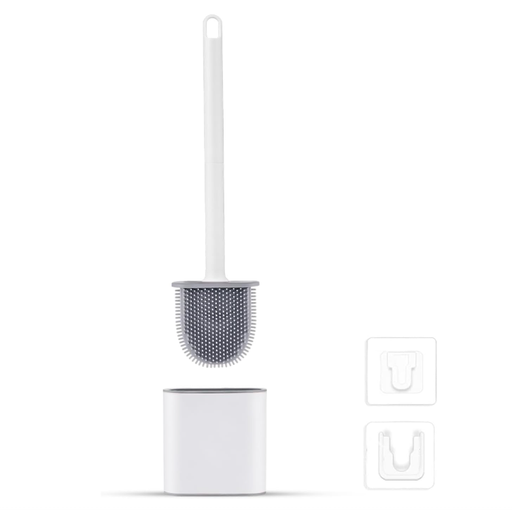
Why We Recommend This Product This Ibergrif model uses a flat, flexible, and durable brush head made of silicone (TPR material). The material won't scratch ceramic surfaces and makes the brush itself easy to clean. A key advantage is its dual mounting capability: the toilet brush set can be either floor-standing or wall-mounted. The holder is equipped with a hollow drainage system and a removable drip tray to keep the floor clean and dry.
Advantages
Best For This product is ideal for users seeking a maximally hygienic toilet brush made of silicone and who value flexible installation options for a modern bathroom.
A functional toilet brush is a vital component of bathroom hygiene. If you're undertaking a broader bathroom redesign or upgrade, selecting the right ceramic fixtures can define the room's style and functionality. For an overview of various models, explore our white toilet category.
1. Are silicone toilet brushes more hygienic than those with bristles? Silicone is a non-porous material, so water and debris don't adhere to it as easily as they do to traditional plastic bristles. As a result, silicone brushes typically dry faster and are easier to clean. Faster drying can inhibit microbial growth, which is why silicone models are often considered more hygienic.
2. How often should a toilet brush be replaced? The lifespan of a toilet brush depends on its material and frequency of use. It should be replaced if you notice visible signs of wear, permanent discolouration, or if the bristles or fins become deformed and cleaning performance declines. A general rule of thumb is to replace it every 6 to 12 months, particularly for models with traditional bristles. High-quality silicone brushes can have a longer service life.
3. What does a "ventilated holder" mean for a toilet brush set? A ventilated holder has openings or slots that allow air to circulate around the brush head while it's stored. This design feature ensures that residual moisture evaporates quickly after use. This reduces the pooling of stagnant water at the bottom of the holder, which in turn minimises unpleasant odours and bacterial growth.