
Lieferung heute & morgen

Qualitätsgarantie

Willkommens-Angebote freischalten: KOSTENLOSE Lieferung | Bis zu 80 % RABATT | Kostenlose 30-Tage-JoyPlus-Testphase
App herunterladen
A toilet paper holder is more than just a functional detail in your bathroom. The wrong choice, however, can quickly lead to daily frustration—whether it's a wobbly construction, unsightly rust spots, or an impractical design. Before you make a decision, it's crucial to understand the typical weaknesses that often only become apparent after the purchase. This guide will help you see through marketing promises and find a solution that is a lasting fit for your bathroom and your needs.
Many products look convincing at first glance but reveal their flaws only in daily use. Pay special attention to these three points to avoid a bad buy:
To make the right choice, you should focus on objective and verifiable features. The following three aspects are crucial for the functionality and longevity of your toilet paper holder.
The method of attachment is one of the most important decisions and depends on your living situation and the condition of your walls.
The material determines the lifespan and maintenance requirements of your holder.
Practical extras can significantly enhance everyday convenience.
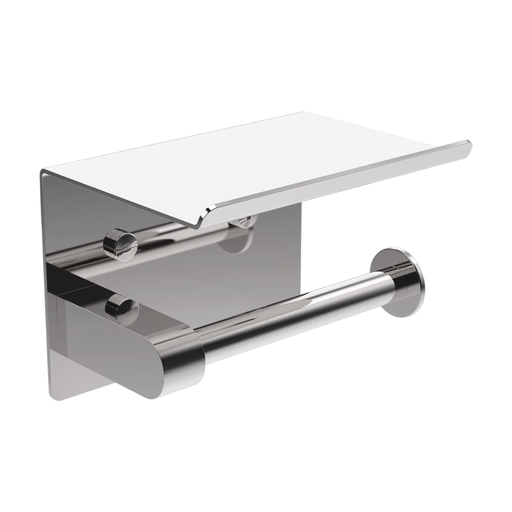
Why it's a great fit: This model offers the flexibility that renters need. It can be mounted on smooth tiles without drilling but also includes the option for screw-mounting if the wall surface requires it. The shelf provides practical value in a small footprint.
It sidesteps the unstable adhesive trap by providing a high-quality 3M adhesive pad for smooth surfaces. The 304 stainless steel construction also effectively prevents the rust trap.
Dual installation methods (adhesive or drill) for maximum flexibility. Integrated shelf for a smartphone or other small items.
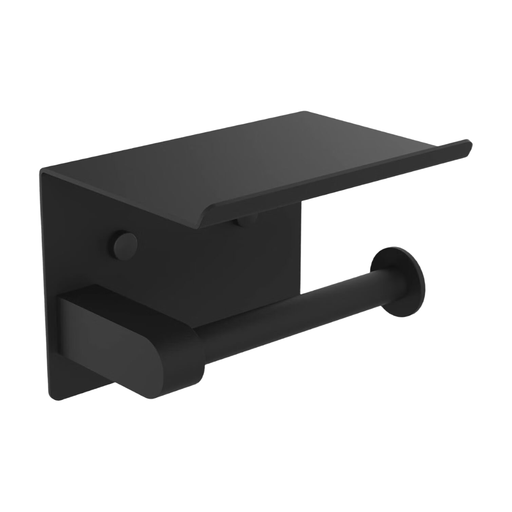
Why it's a great fit: For anyone looking to make a clean, modern statement in their bathroom. The glossy black finish and linear design pair perfectly with contemporary fixtures and furniture without compromising on functionality.
The 304 stainless steel base prevents the rust trap that threatens many black-painted metal products. The design is not just aesthetic but also thoughtfully practical, thanks to the shelf and anti-slip bar.
Combines a modern, black design with durable, rust-proof stainless steel. Also offers the choice between adhesive and screw-in installation.
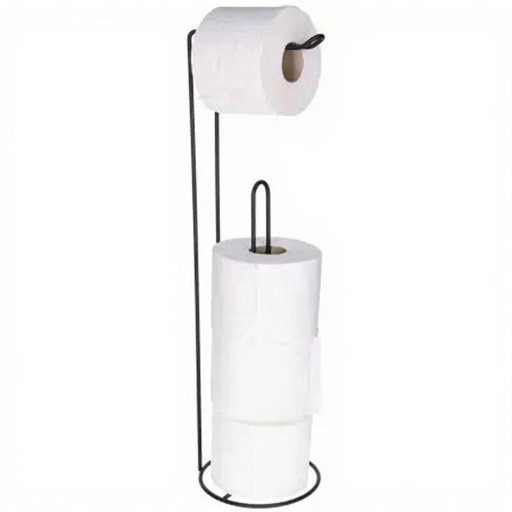
Why it's a great fit: In a busy household, an empty roll is always an annoyance. This freestanding model solves the problem by keeping multiple spare rolls within easy reach. It requires no installation and can be placed flexibly—ideal for families and guest bathrooms.
This model completely bypasses the pitfalls of wall mounting (drilling, adhesives). It solves the problem of impractical design by focusing on one core function: reliably providing a supply of spare rolls.
Large capacity for multiple spare rolls and no installation required. The minimalist iron design blends unobtrusively into many bathroom styles.
We've compiled a comprehensive, up-to-date list of products that meet these strict selection criteria. Discover more solutions for your bathroom.
As a guideline, the recommended mounting height is approximately 65 cm (26 inches) above the floor and about 20 to 30 cm (8 to 12 inches) from the front edge of the toilet. This ensures the holder is easily accessible without being in the way. Of course, you can adjust these measurements to your personal preference and bathroom layout.
To remove an adhesive holder, first gently heat the adhesive area with a hairdryer. This will soften the glue. Then, you can use dental floss or a thin plastic scraper to slowly pry the holder away from the wall. Any remaining adhesive residue can often be removed with rubbing alcohol or a special adhesive remover. Always test the remover on an inconspicuous spot first.
Most holders are designed for standard-sized toilet paper rolls. However, some extra-large or thick "jumbo rolls" from bulk packs may be too wide for closed holders or models with a very short holding pin. It is advisable to check the maximum dimensions a holder can accommodate before purchasing, especially with very compact or design-oriented models.