If you’re making a pan of tomato chutney and don’t plan to install a hob, a portable hob is the obvious choice. The key factors are the heating technology, the base of your pan and the size of the cooking zone. If you’re also cooking other lunch dishes at the same time, or need several cooking zones on a permanent basis, consider a portable double hob or a built-in hob. For built-in models, check the cut-out size and electrical connection. The number of settings or sensors alone does not show how evenly a particular chutney will simmer.
Which hob is right for you?
Chutney makers short on space
If you usually make a panful for several lunch portions and don’t want to install a permanent hob, start by comparing the pan base, cooking-zone size and footprint of portable single hobs. For example, Rommelsbacher lists a zone diameter of 120–230 mm for the CT 2010/IN.
Lunch-preppers who cook several things at once
If you want your chutney and other dishes to be ready at the same time, the number and layout of the cooking zones matter. The portable Severin DK 1031 has two hobs according to the manufacturer; a built-in Siemens hob such as the EX675LXC1E has four zones, but needs a suitable cut-out and must be connected by a qualified electrician.
Cooks who want to use the pans they already own
If you want to keep using a particular pan, check that its base is suitable before choosing an induction hob. Rommelsbacher describes the CT 2203/TC as a radiant hob with a larger heating zone that can be switched on; the manufacturer’s specifications apply to this model.
What to look for when buying
Portable induction hob
A good fit if: you want a portable hob and your chutney pan is suitable for induction.
Keep in mind: the ferromagnetic base of your pan must be compatible with the cooking zone. The number of power settings does not prove that you’ll get a particular simmering result.
Portable radiant hob
A good fit if: you want to keep using a pan you already own and only need one cooking zone.
Keep in mind: the Rommelsbacher CT 2203/TC has two switchable heating circuits. The residual-heat indicator is important when switching off and cleaning the hob.
Double hob or built-in hob
A good fit if: you cook other lunch dishes at the same time or need several zones on a permanent basis.
Keep in mind: a portable double hob needs space on your worktop; for a built-in model, the cut-out and electrical connection must be suitable for your kitchen.
| Buying priority |
What should you check? |
Who is this important to? |
| Low heat |
Compare the controls and lower settings; don’t assume a timer means you’ll get an even simmer. |
If you simmer chutney for longer, you’ll want to be able to adjust the heat easily. Consumers who prioritise easy-to-manage simmer control make up around 33%. |
| Using a pan you already own |
Check that the pan is suitable for induction and compare its flat base diameter with the specifications for the particular appliance. |
If you want to keep your chutney pan, first check that it’s compatible with the heating technology. Consumers whose top priority is pan compatibility make up around 27%. |
| Cooking several things at once |
Check the number and layout of the zones, as well as the footprint or built-in dimensions. |
If you want another lunch dish on the hob alongside your chutney, you’ll need suitable additional zones. Consumers who prioritise cooking several things at once make up around 20%. |
| Positioning and connection |
For portable appliances, check the footprint and type of connection; for built-in appliances, check the cut-out and connection requirements. |
If the space you have available or the connection determines your choice, check both against the specifications for the particular appliance. Consumers who prioritise positioning or connection make up around 20%. |
The model examples show why you should consider your pan, cooking zone and setup together. Rommelsbacher lists an induction zone of 120–230 mm for the CT 2010/IN and heating circuits with diameters of 140 and 210 mm for the CT 2203/TC. These specifications apply to the respective models.
Avoiding common buying mistakes
-
Assuming “ceramic glass” means a particular type of heating
A ceramic-glass surface alone won’t tell you whether an appliance uses induction or radiant heating. Rommelsbacher offers both an induction model and a radiant hob with a ceramic-glass surface.
Check the heating technology and pan requirements separately in the model description. You’ll need a suitable pan base for an induction hob.
If you choose induction and your existing pan isn’t suitable, you may need to buy a compatible one.
-
Assuming more power settings mean a better simmer
Power settings describe the adjustments available, not how consistently the temperature is maintained in the pan or how a particular chutney recipe will turn out.
Compare the controls and lower settings on the specific model. Continue to check and stir the contents of the pan as needed.
-
Choosing a built-in hob based on its width alone
Siemens specifies a particular cut-out for the EX675LXC1E, and says it must be connected by a qualified electrician, without a plug. So even if an appliance is the right width, it may not suit your kitchen.
Before ordering, check the installation dimensions and connection requirements against your kitchen, and have the electrical connection planned by a qualified professional.
Depending on your kitchen, you may need electrical or modification work.
-
Assuming cooking makes food safe to store unrefrigerated
Choosing a hob does not prove that homemade chutney can be safely stored at room temperature. The German Federal Institute for Risk Assessment warns of the risks of home canning and refers to guidance on preserving food safely.
Plan how to store and transport your lunch portions separately from your choice of hob. The German Federal Institute for Risk Assessment also highlights the importance of keeping prepared perishable food sufficiently chilled during transport.
Depending on the food, you may need suitable containers and a way to keep it chilled during transport.
Key brands at a glance
Rommelsbacher
The manufacturer’s examples include a portable single induction hob and a portable radiant hob.
- For the CT 2010/IN, Rommelsbacher lists ten power settings and requires a ferromagnetic pan base.
- According to the manufacturer, the CT 2203/TC has nine settings, switchable heating circuits with diameters of 140 and 210 mm, and a residual-heat indicator. These are model specifications, not comparative cooking-test results.
Severin
The DK 1031 is a portable double induction hob, offering two cooking zones without the need for a built-in hob.
- Severin lists two hobs and a Schuko plug.
- Check the available space, pan compatibility and the instructions for the specific appliance before setting it up.
Siemens
The EX675LXC1E is an example of a built-in induction hob with several zones.
- For this model, Siemens lists four zones and an appliance width of 60 cm.
- The manufacturer specifies a cut-out of 560 × 490–500 mm and connection by a qualified electrician.
Bosch
The PXX675DC1E is a documented 60 cm built-in induction hob.
- For this model, Bosch lists four cooking zones and two flexible areas.
- The manufacturer specifies a cut-out of 560 × 490–500 mm and connection by a qualified electrician.
CASO Design
The ProMenu 2100 is a portable single induction hob for use with a suitable induction pan.
- CASO lists twelve power settings and a pan size range of 12–24 cm.
- These specifications do not prove that it will give a particular simmering result for tomato chutney.
Joybuy products for making chutney
This selection includes built-in induction hobs and appliances with one or more cooking zones, including a portable induction hob. For each model, check that the heating technology suits your cookware and that the setup works for your kitchen.
 No image available
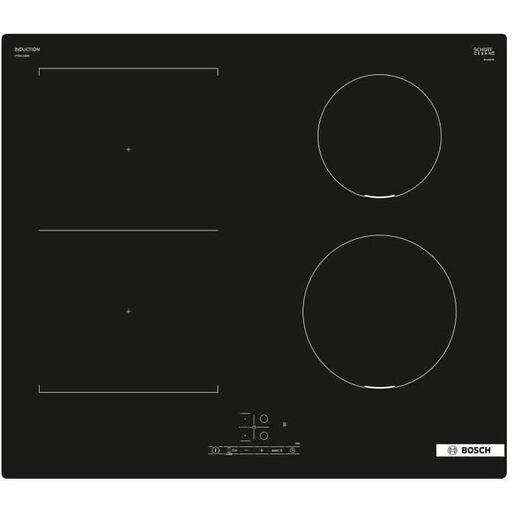
Bosch PVS611BB6E Series 4, 60 cm, 4 zones
For a built-in hob with several zones you can use at the same time.
Induction; 60 cm; 6900 W; 4 cooking zones; timer.
Suitable cookware is required for induction. The manufacturer’s information says installation must be carried out by a qualified electrician.
View at Joybuy
 No image available
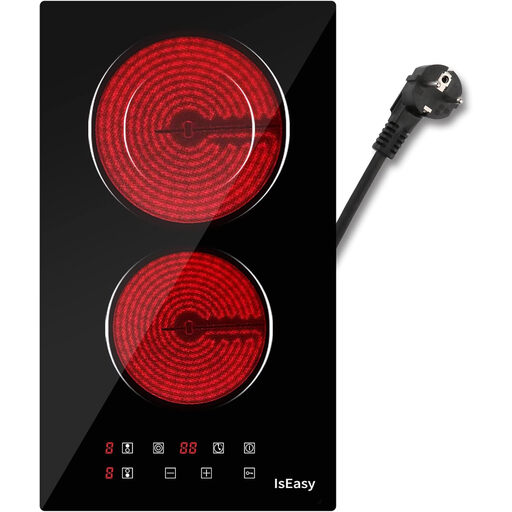
IsEasy ceramic-glass hob, 2 zones
For two cooking tasks on one hob; check that the heating technology suits the pans you already own.
3200 W; 9 power settings; touch controls; child lock; timer from 1–99 minutes.
View at Joybuy
 No image available
IsEasy portable induction hob, 2100 W, 28 cm
For a portable induction cooking zone, if your pan is suitable for induction.
2100 W; 28 cm; ceramic-glass surface; 9 heat settings; timer up to 8 hours.
View at Joybuy
 No image available
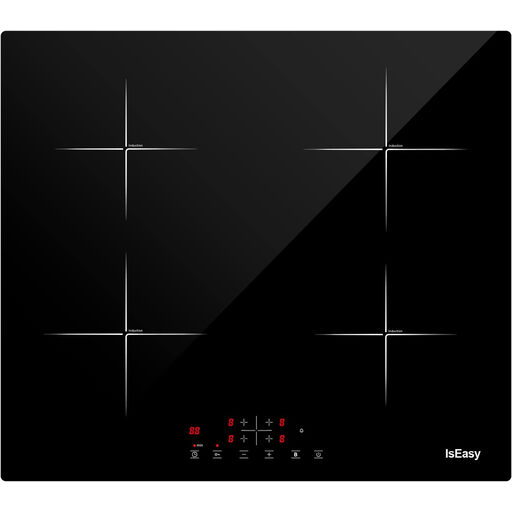
IsEasy built-in induction hob, 4 zones, 60 cm
For a kitchen with a planned built-in installation and several zones you can use at the same time.
6800 W; 9 power settings; timer from 1–99 minutes; boost function.
As an induction hob, it requires suitable ferromagnetic cookware.
View at Joybuy
 No image available
Induction hob with 2 cooking zones and 5 temperature settings
For cooking two things at once, if both pans are suitable for induction.
2 independently controlled zones; 5 temperature settings. The product title also mentions keeping warm, boiling and slow cooking at a low heat.
View at Joybuy
Frequently asked questions
How can I tell if my chutney pan is suitable for induction?
Check the pan’s markings and base; Bosch suggests using a magnet that sticks as a guide. Then compare the diameter of the flat base with the size range of the particular cooking zone.
How do I choose between a portable hob and a built-in hob?
A portable hob is a good choice if you don’t want a permanent hob and it has enough zones for your needs. If you regularly cook several dishes at once, a built-in hob could be an option; check the cut-out and connection requirements for the specific model.
Do lots of power settings prove that my chutney will simmer evenly?
No. The number of power settings does not prove that you’ll get a particular simmering result. Compare the controls and lower settings on the specific appliance; manufacturer information about settings or sensors is no substitute for evidence of how your recipe will turn out.
Does cooking homemade chutney automatically make it safe to store unrefrigerated?
No. Cooking or choosing a particular hob does not prove that chutney can be safely stored at room temperature. The German Federal Institute for Risk Assessment warns of the risks of home canning and refers to guidance on preserving food safely. Perishable prepared food also needs to be kept sufficiently chilled during transport.
Can I connect a built-in hob to the electricity supply myself?
For the Siemens and Bosch models mentioned here, the manufacturers specify that connection must be carried out by a qualified electrician. The work needed in your kitchen depends on the specific appliance and existing installation; you can’t draw a general conclusion that applies to every built-in installation.


