
Lieferung heute & morgen

Qualitätsgarantie

Willkommens-Angebote freischalten: KOSTENLOSE Lieferung | Bis zu 80 % RABATT | Kostenlose 30-Tage-JoyPlus-Testphase
App herunterladen
As your Joybuy Product Recommendation Officer, I'm here to help you navigate the options. For many hobby gardeners, the desire for home-grown, sun-ripened tomatoes or a way to protect delicate plants in winter is a top priority. However, limited balcony space, unpredictable weather, or concerns about pests often stand in the way. A tomato greenhouse or a compact polytunnel greenhouse can be a practical and efficient solution.
This article provides guidance on the key features to consider when making your choice and introduces several models suitable for various needs.
To make an informed decision, it's helpful to compare a few basic features. The following points will serve as a checklist for your selection.
The durability of a tomato greenhouse depends heavily on its frame and the quality of its cover.
The available space and the type of plants you're growing will determine the ideal size and features.
Not every polytunnel greenhouse is equally suited for every purpose.
Here is a selection of products that, thanks to their specific features, are well-suited for the different needs of hobby gardeners.

Why It Stands Out: With its tall, narrow dimensions, this model is specifically designed for use on balconies and patios. The apex roof prevents rainwater from collecting and weighing down the structure. The design ensures even light distribution, which benefits the growth of climbing plants like tomatoes.
Pros:
Who Is It For? For gardeners who want to grow tall vegetable varieties, especially tomatoes, in limited spaces like a balcony or patio and protect them from rain.
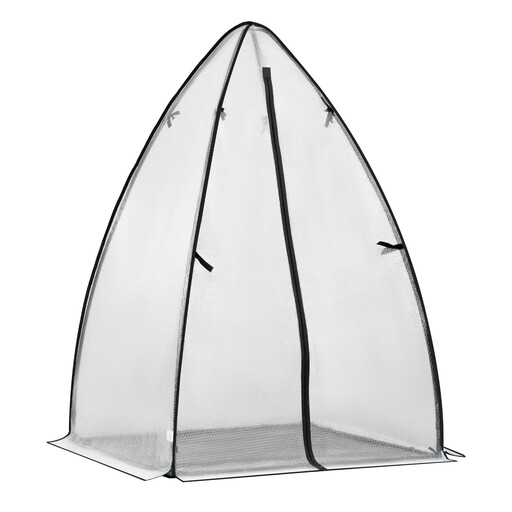
Why It Stands Out: This greenhouse is designed to protect plants in winter. The cover, made of semi-transparent, double-sided bubble wrap film, provides good insulation against the cold without significantly reducing the light transmission needed for photosynthesis. The included groundsheet offers extra protection from ground frost and moisture.
Pros:
Who Is It For? Ideal for owners of sensitive container plants who are looking for a reliable solution to safely overwinter their plants on the balcony, patio, or in the garden.
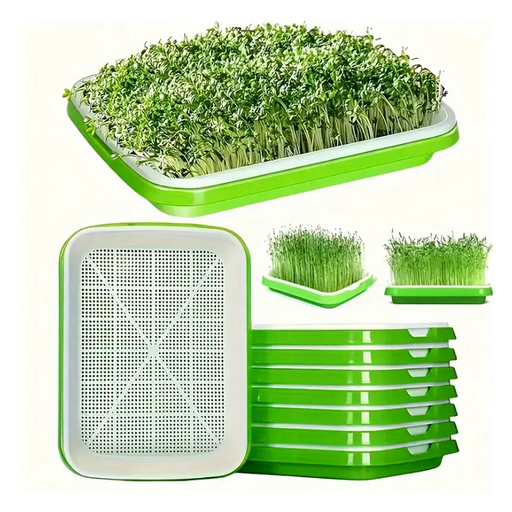
Why It Stands Out: This seed starter kit is the perfect starting point for anyone who wants to grow their plants from scratch. The ventilated domes allow for precise control of humidity and airflow, which is crucial for promoting germination and preventing mould on young seedlings.
Pros:
Who Is It For? For gardening beginners and experienced gardeners who want to grow vegetables, herbs, or flowers from seed and give their young plants an optimal start.
Haven't found the right model for your needs yet, or are you looking for different sizes and designs? A wider range of plant cultivation solutions can help you find the perfect product for your project.
Explore a wider selection of tomato planters and find the ideal solution for your garden.
1. When is the right time to set up a tomato greenhouse? For growing heat-loving plants like tomatoes, it's best to set it up after the last spring frosts, typically in mid-May. It can be used earlier for hardening off young plants. If it's intended for overwintering, it should be set up in the autumn before the first frost.
2. How do I ensure a polytunnel greenhouse is stable enough? Always use the included anchoring materials, such as pegs and guy ropes, to secure the greenhouse firmly to the ground. On hard surfaces like a balcony, the frame can be weighed down with heavy stones or sandbags. A location sheltered from the wind, for example against a house wall, will further increase stability.
3. Does a small polytunnel greenhouse require a building permit in Germany? Generally, small, temporary structures like polytunnel greenhouses for private use do not require a permit. However, the exact regulations can vary by state and municipality. Allotment gardens, in particular, may have their own rules. A quick check with the local council or the allotment association board will provide clarity.