
Lieferung heute & morgen

Qualitätsgarantie

Willkommens-Angebote freischalten: KOSTENLOSE Lieferung | Bis zu 80 % RABATT | Kostenlose 30-Tage-JoyPlus-Testphase
App herunterladen
The selection of tomato sauces on supermarket shelves can be overwhelming. From ready-made pasta sauces to sieved tomatoes, the variety is vast, but so are the differences in quality. Many products promise an authentic Italian flavour, but not all deliver what their packaging suggests. This guide will help you cut through the noise and make an informed purchasing decision.
Before we dive into the selection criteria, it's important to critically examine common marketing claims and product features. Three points in particular often lead to poor choices:
To find the right product for your needs, you should focus on objective and verifiable characteristics. The following three aspects are of central importance.
The foundation of any good tomato sauce is the tomato itself. The percentage and the way it's processed are crucial for taste and application.
Look for a high tomato content (ideally over 90% for pure tomato products) and a clear declaration of the processing method.
A short and understandable ingredients list is often an indicator of a high-quality product. Look for sauces based on tomatoes, good olive oil, herbs (like basil), and salt. Be wary of:
Not every tomato product is suitable for every use case. The choice depends on how much time you want to invest and what dish you are preparing.
Based on the criteria mentioned, we have compiled a few products from our range for different needs.
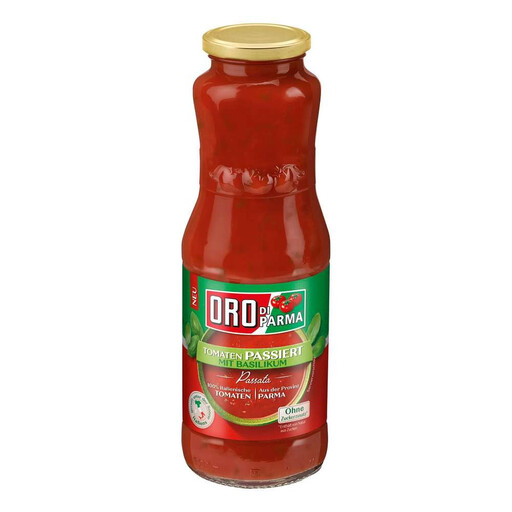
Why this product is a great fit: Perfect for anyone looking for a high-quality, pure base for their own sauce creations. The smooth consistency is ideal for classic Italian dishes where the pure tomato flavour should be the star.
This product avoids the sugar trap as it contains no added sugar. With a tomato content of 98% and only two ingredients (tomatoes, basil), the list is transparent and free of fillers.
High tomato content and a very short ingredients list. Offers maximum flexibility for seasoning and refining yourself.
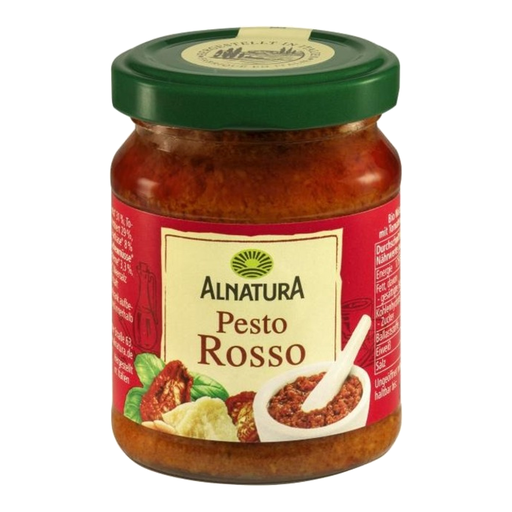
Why this product is a great fit: For those who appreciate the intense, concentrated flavour of dried tomatoes, cheese, and nuts. This pesto is a quick and flavour-packed solution that can be mixed directly with pasta or used to enhance dips.
The organic certification and the clear "Made in Italy" origin statement bypass the "Italian trap." The use of extra virgin olive oil and the absence of artificial flavourings are signs of high quality.
Ingredients from organic farming and a complex flavour profile with high-quality oils, cheese, and nuts.
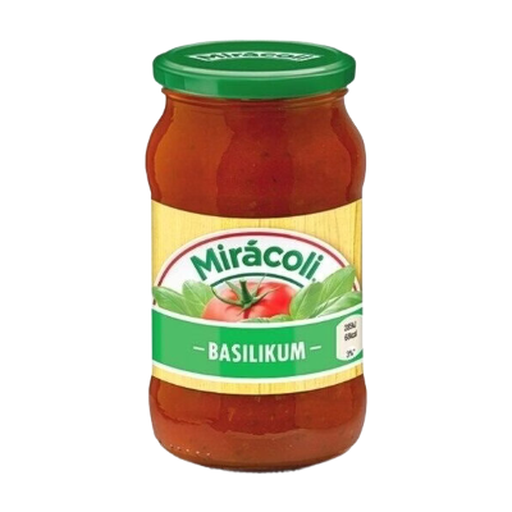
Why this product is a great fit: A classic, ready-to-use sauce for days when you're short on time. Simply heat and mix with pasta—a straightforward solution for a quick dinner after a long day at work.
This product focuses on transparency. While it contains sugar and modified starch, it declares them clearly. It doesn't make exaggerated health claims but delivers a reliable and quick meal solution.
Maximum time savings. The sauce is fully seasoned and only needs to be heated. Its familiar taste offers consistent quality.
We've compiled a complete, up-to-date list of products that fully meet these strict selection criteria and UK regulations.
Passata (sieved tomatoes) is a smooth, liquid sauce without seeds or skins. Chopped tomatoes (polpa) are chunky and contain the flesh of the tomato. Tomato paste is a highly reduced concentrate used for thickening and intensifying flavour.
Once opened, tomato sauce, whether in a jar or can, should be stored in a sealed container in the refrigerator. It will typically last for 3 to 5 days. Always follow the manufacturer's instructions on the packaging. Oil-based products like pesto often last a bit longer if the surface is covered with oil.
The surest way is to check the ingredients list. If terms like "sugar," "glucose syrup," "fructose syrup," or other sweeteners are not listed, no sugar has been added. The statement "contains naturally occurring sugars" on the nutrition table confirms that the existing sugar comes from the tomatoes themselves.