
Lieferung heute & morgen

Qualitätsgarantie

Willkommens-Angebote freischalten: KOSTENLOSE Lieferung | Bis zu 80 % RABATT | Kostenlose 30-Tage-JoyPlus-Testphase
App herunterladen
Tomato passata and tomato paste are staples in many British kitchens. Even so, the choice is not always straightforward: passata is ideal for a generous pasta sauce, while highly concentrated tomato paste delivers flavour and colour in small quantities. If you focus only on the packaging design, country of origin or terms such as “intense”, you can easily end up buying a product that does not suit the dish you have in mind.
This buying guide explains what home cooks, families and conscientious shoppers should look for when comparing sieved tomatoes, tomato purée and tomato concentrate.
Sieved tomatoes are liquid and can be used straight away as a sauce base. Tomato paste, on the other hand, is thickened and concentrated. A tablespoon of double-concentrated tomato paste can add more colour and seasoning to a sauce, but it does not automatically replace several hundred millilitres of passata.
For a quick Italian tomato sauce, soup or pizza base, passata is usually more practical. For slow-cooked dishes, Bolognese, stews and rich sauces, double-concentrated tomato paste or triple-concentrated tomato paste is more suitable.
An Italian brand name or an image of sun-ripened tomatoes is not enough to base your choice on. The ingredients list is what matters. A simple product may contain only tomatoes and salt, while a ready-made tomato sauce may also include sugar, oil, herbs or vegetables.
If you want to season the sauce yourself, choose a product with as short an ingredients list as possible. With ready-made sauces, it is worth checking the salt, sugar and oil content, as well as any allergens such as celery or milk ingredients.
A 200g tube of tomato paste is practical for occasional use. Families or frequent users may find it easier to plan with larger tins, jars or multipacks. Storage instructions can vary considerably after opening, however. So you should consider not only the price per 100g, but also the expected quantity you will use.
Sieved tomatoes and smooth tomato purée are silky, liquid and usually ready to use straight away. A rustic passata may have a coarser texture and contain small pieces. This works well in pizza, stews or sauces where you want a more textured finish.
With tomato paste, the concentration level provides a useful first indication:
The percentage of dry matter is also useful. Jeden Tag Triple Concentrated Tomato Paste, for example, is stated to contain at least 36% dry matter. Oro di Parma Triple Concentrated Tomato Paste also lists at least 36% dry matter.
A clear ingredients list makes it easier to assess a product. According to the product information, Jeden Tag Sieved Tomato Puree Passata 500 g contains tomatoes, salt and citric acid as an acidity regulator. Alnatura Organic Sieved Tomato Passata in Bottle 690 g is stated to consist of 99.8% tomatoes and 0.2% sea salt.
There are also clear differences between tomato pastes. According to the product information, Alnatura Organic Double Concentrated Tomato Paste is made exclusively from organic tomatoes. Sera Tomato Sauce (Domates Salcasi) 720 g is described as containing tomatoes and salt. A product with garlic or vegetables can save preparation time, but it contains more ingredients and should be checked carefully if you have any allergies.
When choosing organic products, shoppers should look for the EU organic logo, the inspection body code and the specific ingredients list. Alnatura Organic Double Concentrated Tomato Paste is marked with IT-BIO-007, while Jeden Tag Double Concentrated Tomato Paste carries IT-BIO-006. Both products are listed as vegan and vegetarian.
Origin should also be assessed using the product information. Italy is named as the country of origin for several Oro di Parma products. However, a statement of origin does not automatically describe a product’s flavour or quality. Your decision should take account of the ingredients, concentration, pack size and intended use as a whole.
Tomato paste in a jar is generally easy to portion and is suitable for larger quantities. Once opened, a tin should be transferred to a suitable container if the packaging recommends this. Tomato paste in a tube is convenient for small portions and reduces the remaining contents’ contact with the surrounding air. After opening, the tube should generally be kept in the fridge.
For passata, cartons are space-saving and easy to store. Glass bottles or jars allow for resealable storage, but are heavier and more fragile. The storage instructions on the individual packaging should always be followed.
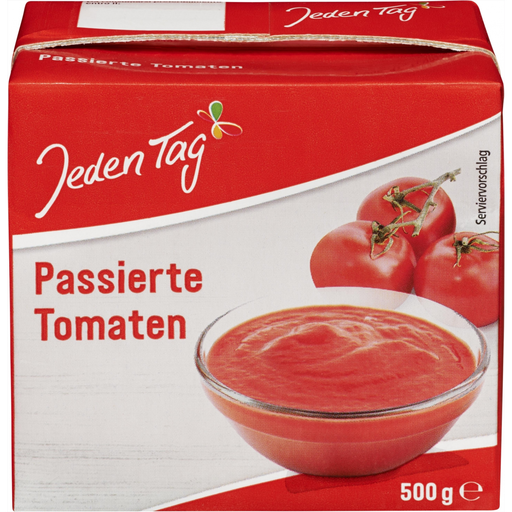
Why this product suits this profile: The 500g pack provides a manageable quantity for pasta, pizza, soups and first attempts at cooking with sieved tomatoes.
The product information lists a short ingredients list of tomatoes, salt and citric acid, rather than a ready-seasoned sauce with several additives.
A smooth consistency, vegetarian credentials and, at 35 kcal per 100 g according to the product information, a straightforward base for dishes you season yourself.
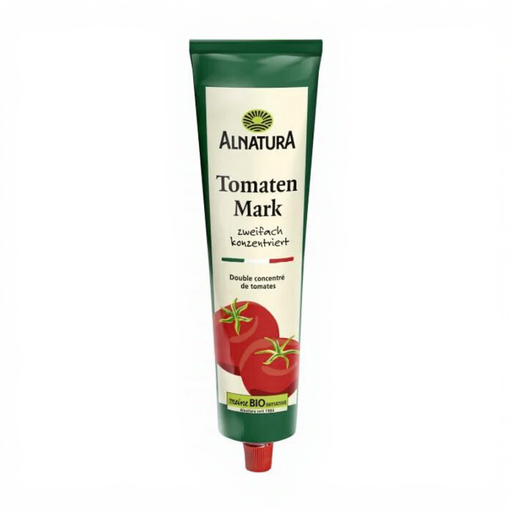
Why this product suits this profile: According to the product data, the tube contains double-concentrated organic tomato paste made from Italian organic tomatoes, making it suitable for regular, controlled portioning.
The organic inspection body code IT-BIO-007 and the ingredient description “organic tomato paste, double-concentrated” make the choice easier to verify.
Organic-certified, vegan and free from the allergens listed in the product information; the tube is suitable for small portions.
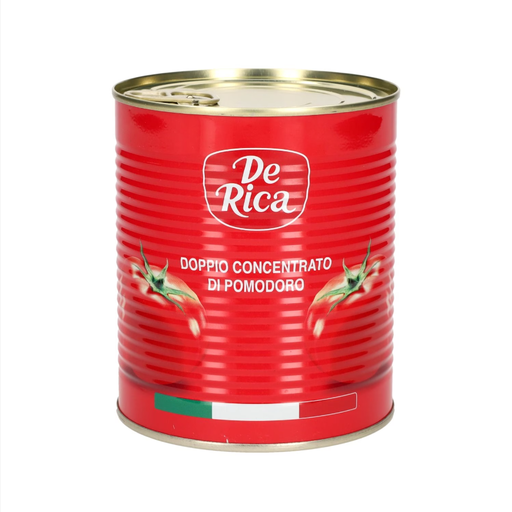
Why this product suits this profile: The large 850g quantity is designed for frequent cooking and can be used in sauces, soups, stews and Mediterranean recipes.
The product description highlights tomatoes as an ingredient and double concentration. This makes its function clearer than vague marketing claims.
Large format, stated to be free from allergens and containing 0.1 g of salt per 100 g. After opening, the product should be refrigerated and used within three days.
We have put together a complete, regularly updated list of products that fully meet these strict selection criteria and the safety regulations applicable in the EU.
Sieved tomatoes are finely puréed, liquid tomatoes and are generally used in larger quantities. Tomato paste is thickened and contains considerably less water. Double- or triple-concentrated tomato paste is therefore used by the spoonful.
This depends on the product and its packaging. The product information available gives guidance ranging from two to seven days after opening. Opened tomato paste should be refrigerated and removed cleanly in accordance with the packaging instructions. With tins, transferring the contents to a sealed container is often advisable.
Not automatically. Many products consist only of tomatoes and salt and are labelled vegan. However, seasoned sauces may contain milk ingredients or other additions. The ingredients list and labelling on the packaging provide the definitive information.