
Lieferung heute & morgen

Qualitätsgarantie

Willkommens-Angebote freischalten: KOSTENLOSE Lieferung | Bis zu 80 % RABATT | Kostenlose 30-Tage-JoyPlus-Testphase
App herunterladen
A Tone-Up sunscreen SPF 50 combines everyday UVA and UVB protection with a cosmetic effect. Depending on the shade, it can help even out your complexion, make redness or dull areas less noticeable and work as a lightweight base under make-up. For many people in Germany, it can partly replace primer or foundation.
However, glossy product images and terms such as ‘glow’, ‘brightening’ or ‘tone-up’ can often create unrealistic expectations. The finish and shade are not the only things that matter: declared sun protection, how you apply the product and how well its texture suits your skin are just as important.
A sunscreen with a make-up effect usually only makes a subtle difference to the appearance of your complexion. Purple, pink, yellow or peach pigments can help even out your skin tone, but they will not cover blemish marks or more pronounced redness like foundation. Applying too much product can leave an unnaturally pale or grey cast.
The stated sun protection factor applies to the tested amount of product. A thin layer applied just for its glow finish will not provide the same level of protection as the stated amount. For your face and neck, follow the application amount stated on the packaging. Reapply after sweating, drying yourself or spending a prolonged period outdoors.
Not every tinted face sunscreen is water- or sweat-resistant. Look for a specific claim such as ‘water resistant’ or a stated test duration. Terms such as ‘moisturising’ describe a product feature, but do not replace checking how well it suits your individual skin. Fragrance, alcohol or certain UV filters may be a concern for people with sensitive skin.
SPF 50 or SPF 50+ mainly describes protection against UVB rays. The PA++++ rating comes from the Japanese and Asian labelling system and indicates a high level of UVA protection within that scale. If you buy a Japanese or Korean sunscreen, also check the packaging details, the responsible person in the EU and the directions for use.
Broad-spectrum protection is a sensible choice for everyday use, particularly if you apply the product daily to your face, neck and décolletage. However, a higher sun protection factor does not automatically mean you can stay in the sun for longer without protection.
Choose a shade that suits your skin tone and the result you want:
Ideally, test UV protection with colour correction along your jawline before buying. The shade should blend evenly and should not look patchy after a few minutes.
A sunscreen as a primer should spread in thin layers without pilling under foundation. If you have dry skin, glycerin, hyaluronic acid or squalane may be worth looking for. If you have oily skin, lightweight emulsions, silicones or mattifying powder ingredients are often more comfortable than very rich textures.
Also check how the product should be removed. According to the manufacturer, some products can be washed off with a regular facial cleanser, while others may require a make-up remover. The INCI list on the product packaging is the definitive guide, as formulations can change.
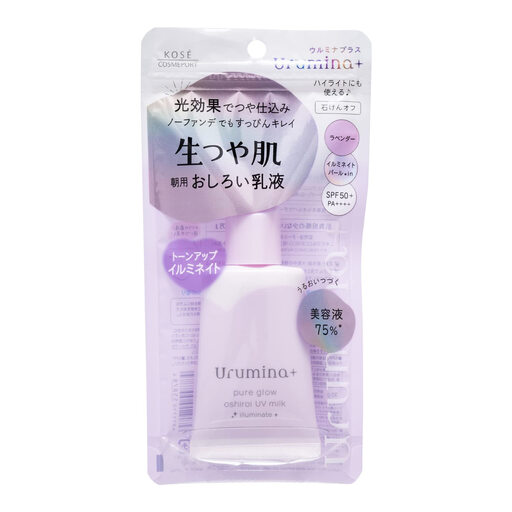
Why it suits this profile: A good choice if you prefer a pearlescent, luminous base with SPF50+ PA++++ for your face and make-up.
The product information clearly distinguishes its use as a primer or highlighter from its role as sun protection.
According to the product description, it has a pearlescent effect, washes off with soap and is designed as a lightweight powder emulsion.
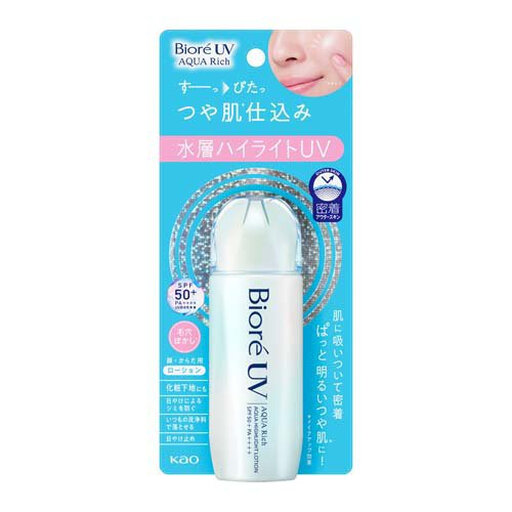
Why it suits this profile: For anyone looking to protect their face and body and wanting stated water resistance for outdoor activities.
The product description states that it has been tested for water resistance for 80 minutes, and also advises reapplying after drying yourself.
SPF50+ PA++++, suitable for face and body, with Aqua Highlight Pearls and moisturising ingredients according to the product information.
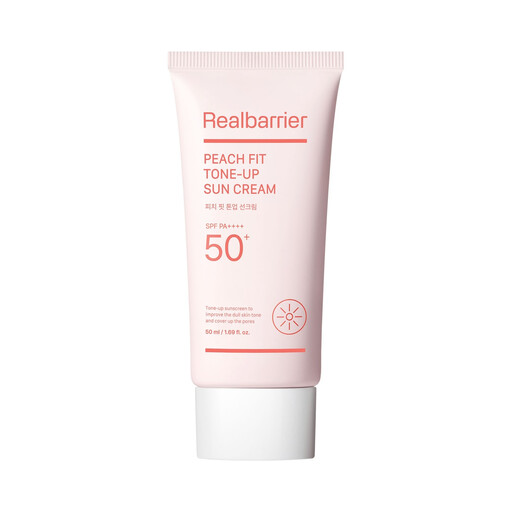
Why it suits this profile: Its peach tone and creamy texture are aimed at anyone who wants to combine a warm, even-looking complexion with extra skincare benefits.
The product information notes that the tint offers only light coverage and recommends testing it along your jawline first.
SPF50+ PA++++, a peach tone, ceramides and panthenol according to the product information, plus a lightweight make-up base.
We’ve put together a complete, regularly updated list of products that meet these strict selection criteria and fully comply with the safety regulations in force in the EU.
Many products are intended by the manufacturer to be used as a make-up base. Whether they work well as a primer depends on the texture, the skincare underneath and the foundation on top. Applying a thin, even layer and allowing enough time for it to dry can reduce the risk of pilling.
Check the printed best-before date, the period-after-opening symbol and the batch details. Heat and direct sunlight can affect the texture and stability. Close the product tightly after each use and store it according to the instructions on the packaging.
A glow sunscreen usually helps even out the appearance of your complexion, but offers only light coverage. If you have more pronounced unevenness or want fuller coverage, you can also use concealer or foundation. Just make sure you do not apply too little sunscreen under your make-up.