
Lieferung heute & morgen

Qualitätsgarantie

Willkommens-Angebote freischalten: KOSTENLOSE Lieferung | Bis zu 80 % RABATT | Kostenlose 30-Tage-JoyPlus-Testphase
App herunterladen
A facial toner is often the crucial yet misunderstood step in a skincare routine. While some dismiss it as an unnecessary luxury, for others, it's the key to balanced, clear skin. However, the vast selection of products with complex ingredient lists makes the decision difficult. Many formulations don't deliver on their promises, leading to disappointment or even skin irritation.
This guide will help you navigate the most common purchasing pitfalls. We'll show you the objective criteria that matter when making a selection, so you can find a toner precisely tailored to your skin's needs.
The market is saturated with marketing promises. Anyone who knows the typical traps can avoid bad investments and find a product that actually makes a difference.
To find the right toner, you should focus on verifiable characteristics rather than trusting marketing claims. Pay attention to the following three points.
The effectiveness of a toner depends not on a single ingredient, but on the synergy of the entire formula.
The base liquid of a toner is just as important as the active ingredients. Many high-quality Korean toners use fermented extracts or floral waters instead of plain water as their base, which provide additional nourishing properties.
The pH level is also a critical factor. The skin has a naturally acidic pH (around 4.7–5.5). A toner should support this value or only alter it for a targeted, short-term effect. Especially with exfoliating toners containing AHA or BHA, an acidic pH (around 3–4) is necessary for the acids to be effective. After application, however, your skincare routine should aim to return the skin to a skin-friendly pH.
Instead of presenting a generic list, we have selected products that are precisely tailored to defined user profiles and their skin goals.
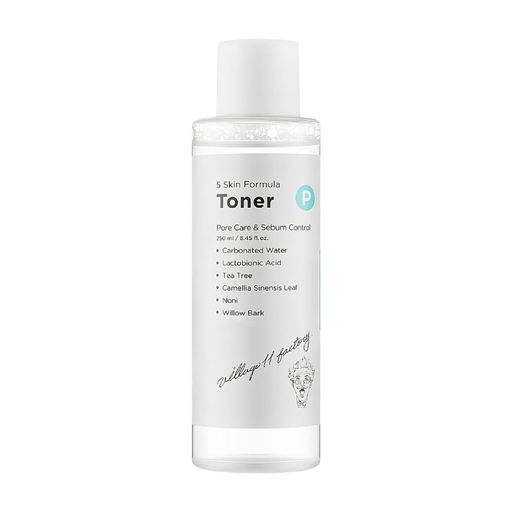
Why It's a Match: Ideal for those looking for a solution to excess sebum and occasional blemishes. The formulation is designed to clarify without drying out the skin, making it a great entry-level product for regulating combination or oily skin.
This product doesn't rely on just one ingredient. It combines clarifying Salicylic Acid (BHA) with sebum-regulating Niacinamide and soothing Centella Asiatica extracts. This avoids the trap of an overhyped single ingredient.
The combination of exfoliating and soothing ingredients ensures a balanced feel. Excess sebum is regulated, while Panthenol and Sodium Hyaluronate provide the skin with moisture.
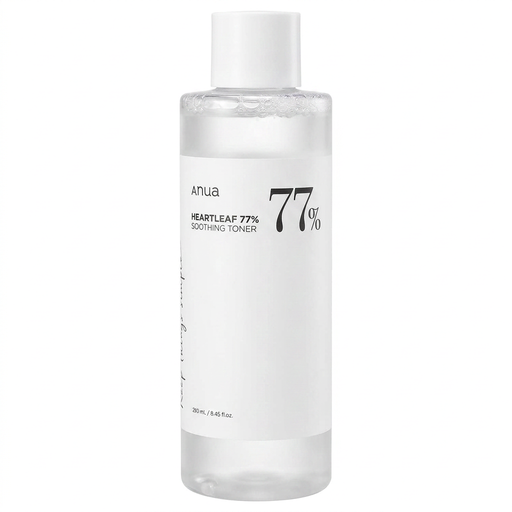
Why It's a Match: Perfect for skin prone to redness, irritation, and dryness. The minimalist formula focuses on intense soothing and hydration without burdening the skin with unnecessary additives.
This toner sidesteps the 'for all skin types' trap by clearly specialising in sensitive skin. The high concentration of 77% Houttuynia Cordata Extract isn't an empty marketing slogan but the main component of the formula, proving its focus on soothing.
The watery, fragrance-free texture hydrates and demonstrably soothes the skin with ingredients like Panthenol and Centella Asiatica. The formula is non-comedogenic, making it suitable even for sensitive skin that is prone to blemishes.
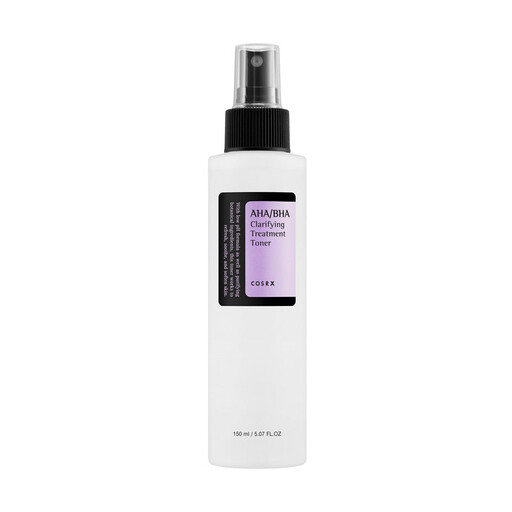
Why It's a Match: For users already familiar with active ingredients who are looking for a daily, gentle exfoliant to smooth skin texture, refine pores, and achieve a more even complexion.
This Korean toner relies on a proven, gentle combination of natural acid sources (Apple Water for AHA, Willow Bark Water for BHA). Instead of advertising high concentrations, it offers a balanced formula for daily use that is both effective and gentle.
The formulation with low-dose Glycolic Acid and Betaine Salicylate allows for gentle exfoliation without stressing the skin barrier. Allantoin and Panthenol provide additional soothing and moisturising effects.
We have compiled a complete, up-to-date list of products that fully meet these strict selection criteria.
Traditionally, an astringent or "facial water" was often a product designed to remove the last traces of dirt after cleansing and tighten pores. Modern toners, especially from the K-Beauty space, are designed as the first nourishing step after cleansing. They serve to hydrate the skin, treat it with active ingredients (e.g., for exfoliation or soothing), and prepare it for subsequent skincare.
No, this is not strictly necessary and depends on the product's concentration and your individual skin tolerance. When starting a new AHA BHA toner, begin by using it two to three times a week, preferably in the evening. Observe how your skin reacts. If you don't notice any signs of irritation, such as redness or excessive dryness, you can slowly increase the frequency. Important: When using acids, daily sun protection is essential, as they can make your skin more photosensitive.
Both methods are correct and have different advantages.