
Lieferung heute & morgen

Qualitätsgarantie

Willkommens-Angebote freischalten: KOSTENLOSE Lieferung | Bis zu 80 % RABATT | Kostenlose 30-Tage-JoyPlus-Testphase
App herunterladen
The search for a suitable toner for sensitive skin can often feel like navigating a minefield. Many products promise relief, but frequently lead to redness, tightness, or new irritation. This is often due to common marketing traps that mislead consumers into making unsuitable purchases.
Two of the most common pitfalls are:
This guide will help you bypass these pitfalls and find a product that objectively meets your skin's needs.
Instead of being guided by advertising claims, you should base your decision on verifiable parameters. For a facial toner for sensitive skin, three factors are particularly crucial.
The foundation of any good skincare for sensitive skin is what's not in it. A toner without alcohol (especially denatured alcohol) is a fundamental starting point. This ingredient can dissolve the skin's natural lipids and make the protective barrier more permeable to irritants. Equally critical are fragrances (Parfum/Fragrance) and many essential oils, which are among the most common triggers for contact allergic reactions. Look for products with short, clear ingredient lists that omit these potential irritants.
A good soothing toner should contain active ingredients that are proven to reduce redness and stabilise the skin. Here, several ingredients, often prominent in Korean skincare, have proven to be particularly effective:
A good toner for redness often combines several of these active ingredients to achieve a synergistic effect.
Sensitive skin often tends to be dry because its barrier function is compromised. A hydrating toner is therefore essential. Look for the following ingredients:
Based on the criteria above, we have compiled a selection of products suitable for different profiles of sensitive skin.
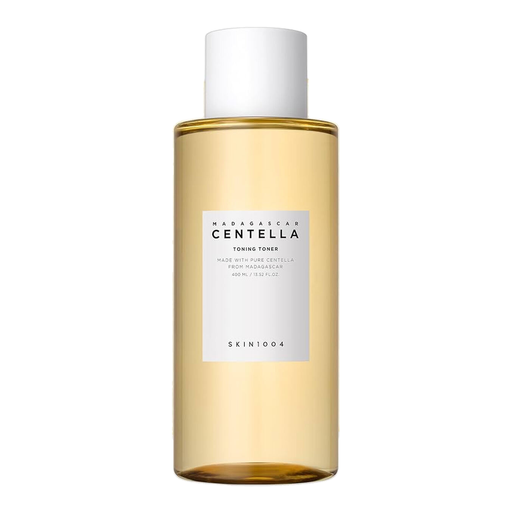
Why This Fits Their Persona: Ideal for those seeking a straightforward yet effective solution for redness and minor blemishes. The large bottle offers great value for daily use.
Instead of relying on a single hype ingredient, this toner combines a high concentration of Centella Asiatica Extract with the gentle exfoliation of PHA. It is free from denatured alcohol and fragrances.
The formula soothes the skin while gently improving skin texture by removing dead skin cells without causing irritation. Its non-comedogenic property is a plus.
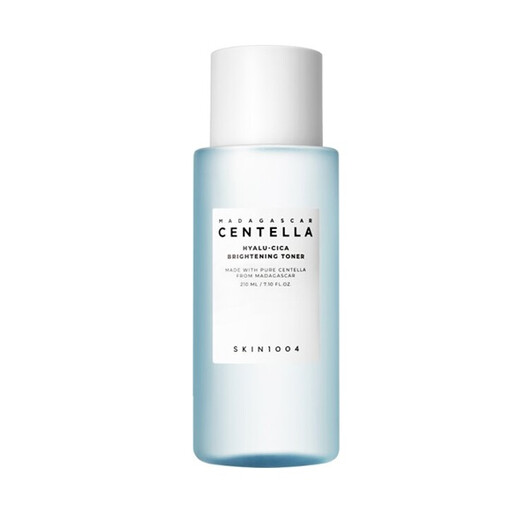
Why This Fits Their Persona: Perfect for individuals whose sensitive skin also suffers from dryness, tightness, and a dull complexion. The focus is clearly on intensive hydration and soothing.
This product doesn't just rely on one type of hyaluronic acid. According to the manufacturer, the formula contains hyaluronic acid in multiple molecular weights to moisturise the skin at different depths, enabling more sustained hydration.
The combination of the Hyalu-Cica formula (Hyaluronic Acid + Centella Asiatica) is simultaneously hydrating and soothing. The lightweight, watery texture absorbs quickly without feeling sticky.
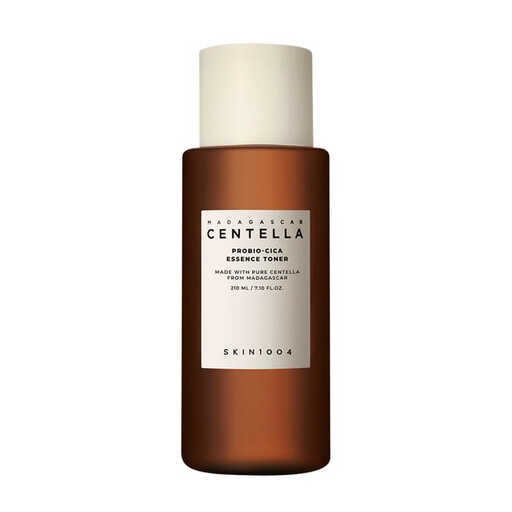
Why This Fits Their Persona: Suitable for users whose skin barrier has been weakened by external factors or improper care, and who need targeted, restorative care to strengthen the skin's defences.
This product goes beyond simple soothing. It relies on an advanced formulation with fermented Centella Asiatica, probiotics, and ceramides. This combination directly targets the repair and strengthening of the skin barrier.
The essence-like, slightly viscous texture intensively nourishes the skin. The combination of Cica and ceramides strengthens the skin barrier, while probiotics support the skin's microbiome.
Yes, a gentle, soothing, and hydrating toner is designed for daily use, morning and evening after cleansing. It helps to balance the skin's pH and prepare it for subsequent skincare. For products with active acids (even mild PHAs), you should follow the manufacturer's instructions and slowly acclimate your skin to them.
The terms are often used interchangeably. Traditionally, facial waters in Europe were often astringent and alcohol-based to "clarify" the skin. Modern toners, especially from the Korean skincare world, are multifunctional products that primarily hydrate, soothe, and prepare the skin for serums and creams. For sensitive skin, a modern, hydrating toner is the more suitable choice.
That depends on the type of acid and its concentration. While AHAs (e.g., glycolic acid) and BHAs (salicylic acid) can be too irritating for very sensitive skin, PHAs (Polyhydroxy Acids) are a great alternative. They exfoliate the skin's surface very gently without penetrating deeply, and also have a hydrating effect. Start with a low frequency of use (e.g., 2-3 times a week) and observe your skin's reaction. Using sunscreen during the day is always advisable when using acids.