
Lieferung heute & morgen

Qualitätsgarantie

Willkommens-Angebote freischalten: KOSTENLOSE Lieferung | Bis zu 80 % RABATT | Kostenlose 30-Tage-JoyPlus-Testphase
App herunterladen
A good toner is often the most underrated step in a skincare routine. It not only preps the skin for the products that follow but, depending on its formulation, can be crucial for addressing specific skin concerns. However, the market is saturated and full of marketing promises. Many products don't deliver, leading to disappointment or even skin irritation. This guide will help you avoid the most common pitfalls and make an informed choice.
Before we dive into product features, it's important to understand the common misconceptions that often lead to a bad purchase.
To find the right product, you should focus on objective criteria. The following three parameters are essential for making an educated decision.
A look at the first ingredient on the INCI list reveals a lot about a toner's quality. For many conventional products, this is "Aqua" (water). Higher-quality formulations, particularly from the Korean skincare segment, use active-rich botanical waters as their base instead. Examples include:
Such a formulation offers added value from the ground up, going beyond mere hydration.
A toner can serve several main purposes. Identify your skin's primary need to choose the right category:
The International Nomenclature of Cosmetic Ingredients (INCI) lists all components in descending order of their concentration. Active ingredients you're looking for to solve your skin concern (e.g., niacinamide, peptides, vitamin C) should appear as high up on the list as possible. Ingredients listed after "Parfum" (fragrance) or preservatives like "Phenoxyethanol" are typically present in concentrations below 1%.
Here are some product recommendations tailored to specific user profiles and their needs.
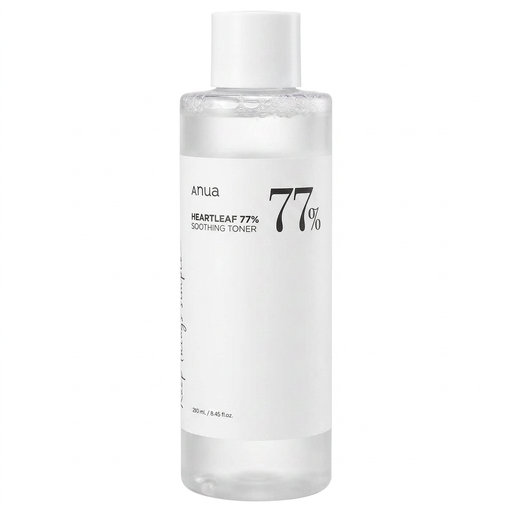
Why This Fits Their Persona: Ideal for those seeking a minimalist yet effective solution to soothe redness and irritation. Its watery texture absorbs quickly, leaving the skin feeling comfortable and non-sticky.
This product doesn't rely on marketing hype, but on a high concentration (77%) of a proven soothing ingredient (Houttuynia Cordata Extract) at the top of the INCI list. It is intentionally formulated without alcohol and fragrances.
High Active Concentration: Formulated with 77% heartleaf extract to effectively calm the skin. Minimalist Formula: Suitable for all skin types, including acne-prone skin.
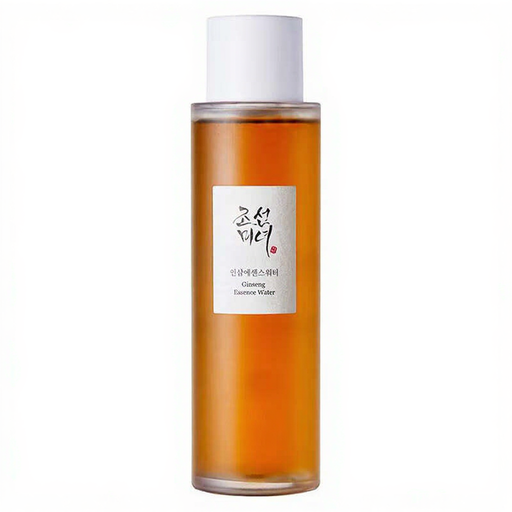
Why This Fits Their Persona: Perfect for users who want to combine traditional Korean herbal medicine (Hanbang) with modern active ingredients. This essence aims to nourish, firm, and even out the skin tone.
Instead of just using water as a base, this essence is made with 80% ginseng water, according to the manufacturer. This provides real added value beyond simple hydration and makes the traditional ingredient the star of the formula.
Active-Rich Base: 80% ginseng water nourishes the skin and delivers antioxidants. Skin-Refining: Contains niacinamide to regulate sebum production and improve skin texture.
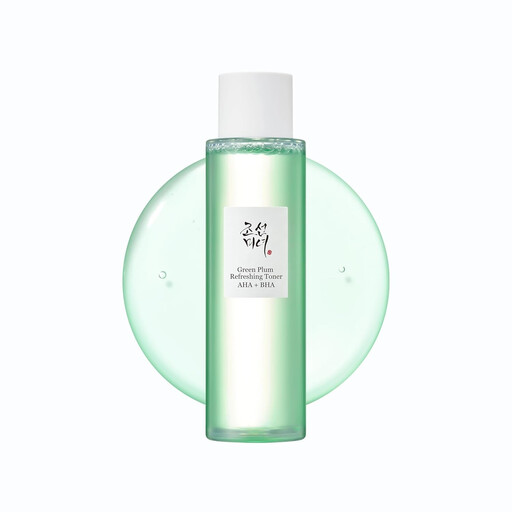
Why This Fits Their Persona: Suitable for those looking for a gentle, daily exfoliant to remove dead skin cells, unclog pores, and refine skin texture without stressing the skin barrier.
This toner combines AHA (glycolic acid) and BHA (salicylic acid) in a mild concentration designed for daily use. This minimises the risk of over-exfoliation that can occur with highly concentrated acid products.
Gentle Exfoliation: Removes dead skin cells and promotes cell turnover. Balancing Base: Green plum water and mung bean extract help to soothe and hydrate the skin.
We have compiled a complete, up-to-date list of products that fully meet these strict selection criteria and safety standards.
It's not a mandatory step, but it offers significant benefits. A good toner removes any final traces of cleanser and hard water residue, balances the skin's pH, and optimally prepares it for the absorption of serums and creams. This allows the rest of your skincare routine to work more effectively.
These terms can be confusing as they aren't always used consistently. However, the general distinction is as follows: