
Lieferung heute & morgen

Qualitätsgarantie

Willkommens-Angebote freischalten: KOSTENLOSE Lieferung | Bis zu 80 % RABATT | Kostenlose 30-Tage-JoyPlus-Testphase
App herunterladen
A well-organised tool storage system is the foundation for efficient work, whether on a construction site, in the workshop, or for at-home DIY projects. Disorganisation not only wastes time but can also lead to damaged tools. The right tool bag protects your equipment, simplifies transport, and ensures every item is always within easy reach.
This article serves as a practical guide. It highlights objective criteria to help you make your selection and introduces various models designed for the different needs of professional tradespeople and DIYers.
The selection of tool bags is vast. To make an informed decision, you should consider three key factors: material, organisation, and carrying comfort.
A durable tool bag must withstand the weight of tools and the harsh conditions of a job site. Pay close attention to the material and its construction.
A thoughtfully designed tool organiser is crucial for functionality. The arrangement of the compartments determines how quickly and easily you can access your tools.
Carrying comfort is especially important for tradespeople who move their equipment daily.
Based on the criteria mentioned, we have compiled a selection of tool bags that cater to different needs.
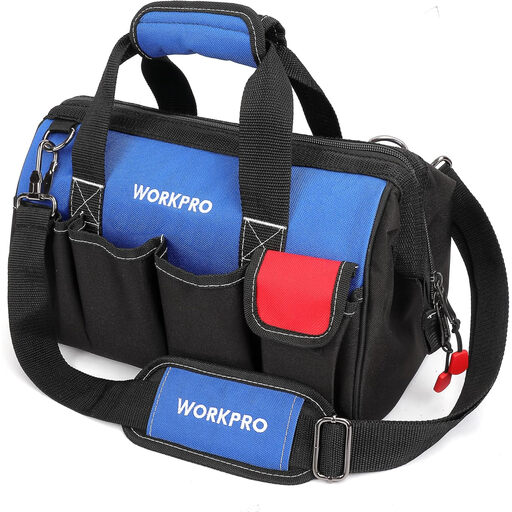
What makes it stand out: This model is a versatile all-rounder. The combination of a durable, closed design and a well-thought-out pocket layout makes it a great choice for general use. The waterproof PE base reliably protects the contents from moisture from below.
Advantages:
Who it's for: Ideal as a tool bag for electricians, technicians, and DIY enthusiasts looking for a compact and protected solution to transport their standard equipment.
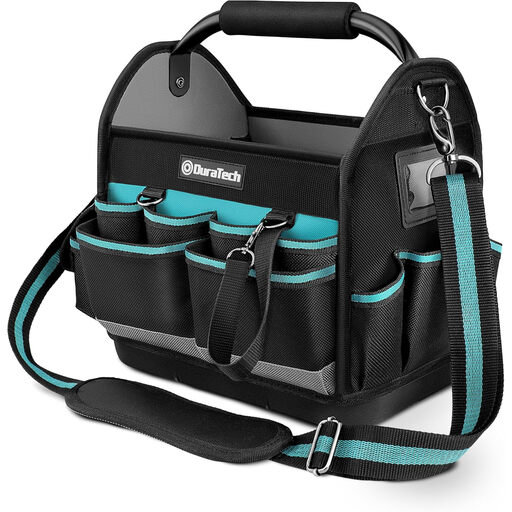
What makes it stand out: This bag is designed for maximum durability and quick access. The open-tote design and sturdy steel tube handle make it easy to retrieve and carry even bulky tools. The 5-layer fabric featuring 900D Oxford cloth promises high longevity.
Advantages:
Who it's for: A great choice for plumbers, carpenters, and technicians who need quick access to a variety of hand tools on the job site and value an exceptionally sturdy construction.
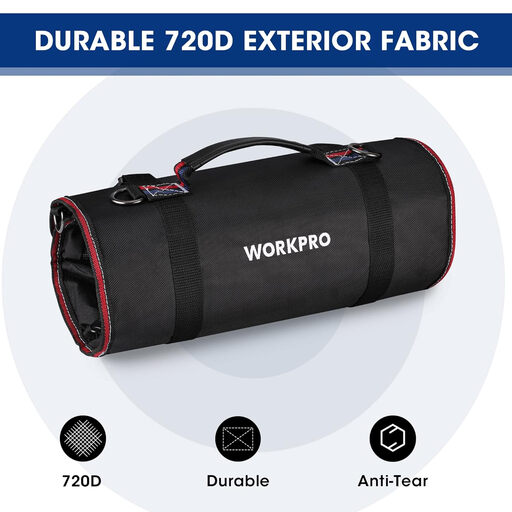
What makes it stand out: This roll-up tool bag offers a highly organised and space-saving solution. Instead of open slots, it features zippered pockets that prevent small parts from falling out. When rolled up, it is extremely compact and easy to transport.
Advantages:
Who it's for: Perfect for users who want to keep specific tool sets (e.g., wrenches, pliers, screwdrivers) organised and portable. It's an excellent addition to tool storage for tradespeople in a service vehicle or for motorcyclists.
Beyond organising tools, protecting smaller valuables or important documents on a job site or while travelling is often a concern. A rugged tool bag isn't always the right solution for this.
For such cases, our selection of anti-theft travel pouches could be a sensible addition to keep personal items secure.
Denier (abbreviated as "D") is a unit of measurement for the fineness of yarn. It describes the weight of a yarn over a length of 9,000 metres. For tool bags, the simple rule is: a higher D-rating (e.g., 900D compared to 600D) indicates a thicker, heavier, and generally more durable and abrasion-resistant fabric.
An open-tote tool bag is particularly suitable for tradespeople who need quick and direct access to their tools, such as plumbers, carpenters, or technicians. The advantage lies in the clear overview and fast retrieval. The disadvantage is that the contents are less protected from dust, dirt, and rain than in a closed model.
A good tool organiser is only half the battle. To maintain long-term order, we recommend: