
Lieferung heute & morgen

Qualitätsgarantie

Willkommens-Angebote freischalten: KOSTENLOSE Lieferung | Bis zu 80 % RABATT | Kostenlose 30-Tage-JoyPlus-Testphase
App herunterladen
A high-quality tool bag isn't a luxury; it's a necessity for every professional tradesperson and ambitious DIYer. It protects expensive tools, keeps things organized, and makes transport easier. But the market is flooded with models whose quality deteriorates after just a few weeks of use. As your Joybuy Product Recommendation Officer, I'll show you which three pitfalls to watch out for and how to find a bag that can withstand the rigors of daily use.
Many tool bags look robust at first glance but reveal their weaknesses only with use. Pay close attention to these three common problems to prevent a bad purchase.
To avoid these pitfalls, you should check three core parameters before buying. These objective criteria will help you separate the wheat from the chaff and identify a long-lasting tool bag.
The fabric's durability is often indicated in Denier (D). This unit describes the thickness of the yarn used.
A professional tool bag is distinguished by its specially constructed base. Look for the following features:
Good organization saves time and protects your equipment. Key features are:
Based on these objective criteria, we have identified several products that offer a suitable solution for different user profiles.
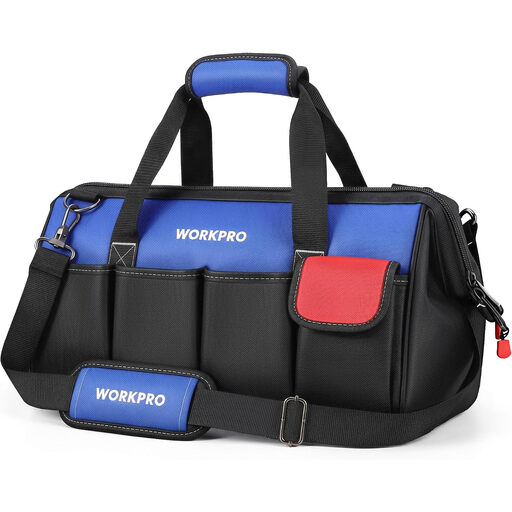
Why This Fits Their Persona: Ideal for tradespeople and DIYers who need a compact yet well-organized bag for essential tools. Perfect for service calls or in-home projects where the full kit isn't required.
The 600D polyester fabric is robust for daily use. The reinforced base with a PE board and plastic pads prevents sagging and protects against moisture. Numerous internal and external pockets prevent organizational chaos.
The wide-mouth opening with a dual zipper allows for quick access. The padded handle and adjustable shoulder strap ensure superior carrying comfort.
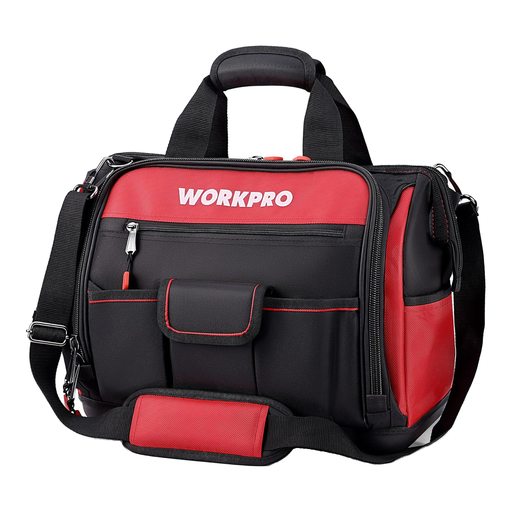
Why This Fits Their Persona: Designed for tough, continuous use on the job site. Electricians, technicians, and construction workers who transport a large number of tools and require maximum durability will find this to be a fitting solution.
The extremely durable 1680D polyester fabric solves the material dilemma. The waterproof molded hard base is the direct answer to the unstable base pitfall. 39 pockets provide excellent organization.
Very high material and build quality for maximum lifespan. The hard-shell base offers superior protection for tools against impacts and moisture.
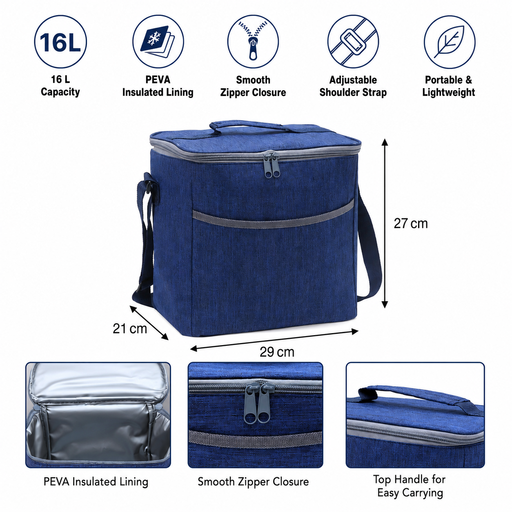
Why This Fits Their Persona: This isn't a tool bag, but the perfect companion. The professional who values a clean separation between work and break time uses a separate bag for food to ensure hygiene and well-being on the job site.
It solves a different, often ignored problem: the contamination of food by dust and dirt. Instead of unsafely stowing lunch in the tool bag, it provides a clean, insulated solution.
Keeps food and drinks cool or warm thanks to its insulation. Transporting them separately ensures hygiene and a more pleasant break.
A good bag makes the workday significantly easier. If you're looking for more models with a practical shoulder strap that meet our selection criteria, you'll find a relevant overview here.
1. How do I clean and maintain a polyester tool bag? Empty the bag completely and brush out any loose dirt and dust. More stubborn stains can be treated with a damp cloth and a mild soap solution. Avoid aggressive cleaning agents, as they can damage the fabric. Let the bag air dry completely before refilling it. The waterproof plastic base can simply be wiped clean.
2. What do "600D" or "1680D" mean for a tool bag? The "D" stands for Denier, which is a unit of measurement for the fineness or thickness of a yarn. A higher number like 1680D means a thicker and therefore more tear-resistant and abrasion-resistant yarn was used compared to a fabric with 600D. The choice depends on the expected level of stress: for heavy-duty construction site use, a higher Denier rating is recommended.
3. Is a tool bag for an electrician different from one for other trades? While many bags are universally applicable, a good tool bag for an electrician is often characterized by a specific compartment layout. It typically offers many narrow, vertical slots for screwdrivers, various pliers, voltage testers, and multimeters. A robust, ideally non-conductive base and excellent organization are particularly important for safety and efficiency in electrical work.