
Lieferung heute & morgen

Qualitätsgarantie

Willkommens-Angebote freischalten: KOSTENLOSE Lieferung | Bis zu 80 % RABATT | Kostenlose 30-Tage-JoyPlus-Testphase
App herunterladen
Choosing the right tool set can be overwhelming. Whether it's for your first apartment, a hobbyist's workshop, or specific car repairs, the market is flooded with offers that overpromise and underdeliver. As your Joybuy Product Recommendation Officer, I'll help you identify the crucial features and avoid common purchasing traps to ensure your investment pays off in the long run.
Many buyers focus on the sheer number of pieces or on grandiose marketing claims. But this is precisely where the most expensive mistakes lie.
To find a durable and functional tool set, you should focus on verifiable, technical parameters rather than the sheer piece count.
Steel is the foundation of any good tool. For demanding DIY needs and workshop equipment, chrome vanadium steel (CR-V) is the established standard. This alloyed material offers high strength and toughness, making it resistant to deformation and breakage. Also, pay attention to the finish: a polished and chrome-plated surface not only looks good but also provides effective corrosion protection and makes it easier to clean off oil and grime—a must-have for any automotive tool.
In a socket set, the ratchet wrench is the centerpiece. Here, the mechanics determine the efficiency of your work, especially in tight spaces. A critical feature is the number of teeth in the ratchet mechanism.
A quick-release button for rapidly changing sockets and a smooth-action directional switch are other features that distinguish a high-quality repair tool.
A good wrench set or socket set is defined not by a high count, but by having the right sizes. For home use and common automotive jobs in Europe, metric sizes (e.g., 8 mm to 19 mm) are crucial. Check if the most common wrench sizes (10, 13, 15, 17, 19 mm) are included. Specialty tools like a cordless multitool or flaring tools should be purchased specifically for certain projects, not as part of a general set, to ensure high quality.
Instead of making a one-size-fits-all recommendation, we've identified products that match specific user profiles.
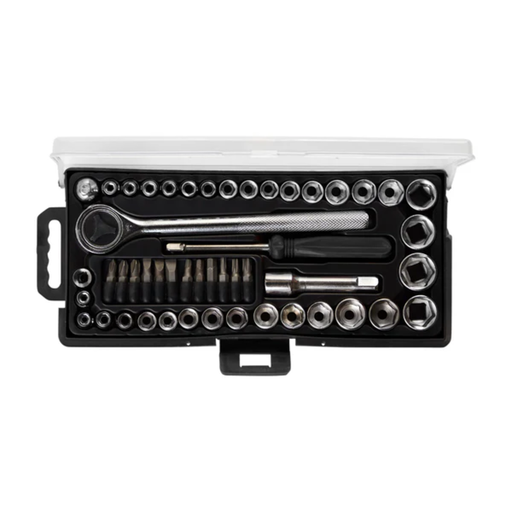
Why This Fits Their Persona: Ideal for basic household repairs, furniture assembly, and occasional bike maintenance. It provides a solid starter kit without breaking the bank.
This set focuses on 49 practical pieces, including the most common metric and SAE sockets. It avoids the trap of superfluous filler parts, offering a functional base in an organized case instead.
The set includes both a 3/8" ratchet and a 1/4" spinner handle, making it versatile for different-sized bolts. The carbon steel is designed for general DIY use.
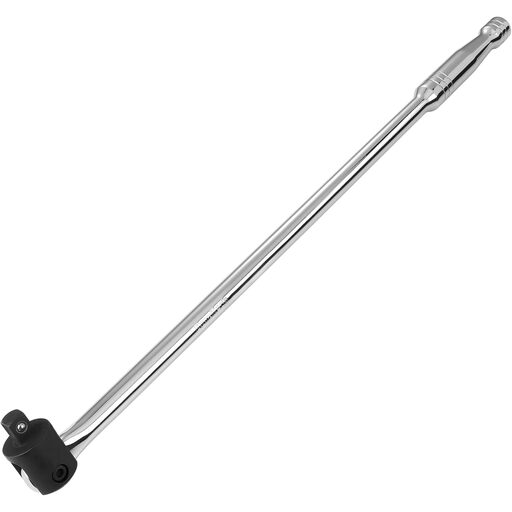
Why This Fits Their Persona: Indispensable for jobs requiring high torque, like loosening stubborn lug nuts, suspension, or engine components. A specialty tool for the serious hobbyist mechanic.
This isn't a flimsy accessory from a cheap set, but a robust, individual tool made of alloy steel, specifically designed for high-stress applications. It serves a clear purpose rather than just inflating the piece count.
The 600 mm length creates tremendous leverage. The 240-degree pivoting head allows access to hard-to-reach bolts, significantly increasing work efficiency.
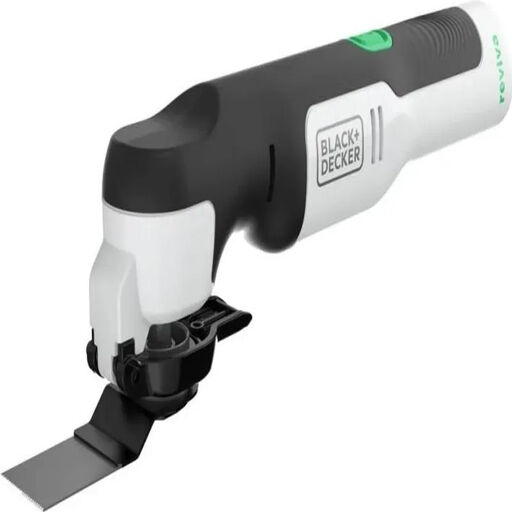
Why This Fits Their Persona: Perfect for renovators and crafters who tackle a variety of tasks like sanding, sawing, polishing, and scraping. One tool for countless small projects around the house.
Instead of filling a case with many single-purpose tools, this multitool bundles many functions into one compact, cordless device. The focus is on versatility and practical utility.
The tool-free accessory change allows for quick switching between tasks. The integrated 1.5 Ah battery offers cordless freedom. According to the manufacturer, the housing is made from 50% recycled material.
We've compiled a complete, up-to-date list of products that fully meet these strict selection criteria and rigorous quality standards.
Look for the chrome vanadium steel (CR-V) designation. This material is significantly more resilient and durable than the simple carbon steel often used in very cheap sets. A polished or matte chrome finish provides additional protection against rust and makes cleaning easier.
The tooth count determines the required swing arc of the handle. A 72-tooth ratchet needs 5 degrees, while a 90-tooth ratchet works with just 4 degrees. This smaller angle is a significant advantage when working in very tight spaces, common in automotive repair, as you can tighten or loosen bolts even with minimal clearance.
Not necessarily. The quality and relevance of the tools are more important than the sheer number. For most household applications and basic maintenance, a well-curated set with 40 to 60 pieces that covers the most common metric sizes is often more practical and of higher quality than a huge set with lots of filler pieces.