
Lieferung heute & morgen

Qualitätsgarantie

Willkommens-Angebote freischalten: KOSTENLOSE Lieferung | Bis zu 80 % RABATT | Kostenlose 30-Tage-JoyPlus-Testphase
App herunterladen
By the Joybuy Product Recommendation OfficerPublished August 29, 2026
Brooms toppling over in the corner, garden tools creating chaos in the shed, or a basement that looks more like an obstacle course—many homeowners know these situations all too well. A wall-mounted tool holder promises a quick and efficient solution for more space-saving storage. But not every organization system delivers on its promise. Many buyers invest in products that fail after just a few months.
Before you make a decision, you should know the three most common pitfalls that lead to frustration and unnecessary expenses when you want to organize the basement or tidy up the garage.
To choose a durable and functional garage organization system or one for your basement, it's important to look beyond the marketing promises. Instead, focus on these three technical parameters.
The material determines the stability and lifespan of your tool holder.
Not every holder is suitable for every tool. The mechanism must match the handle.
The sturdiest holder is useless if it falls off the wall.
No-Drill Mount): These are only suitable for smooth, clean, and non-porous surfaces like tile, glass, or metal. They are a good option for light items in the bathroom, like a hairdryer holder or razor, but are generally unreliable for textured wallpaper, plaster, or wood.Based on these objective criteria, we have identified a few products that offer a compelling solution for specific user profiles.
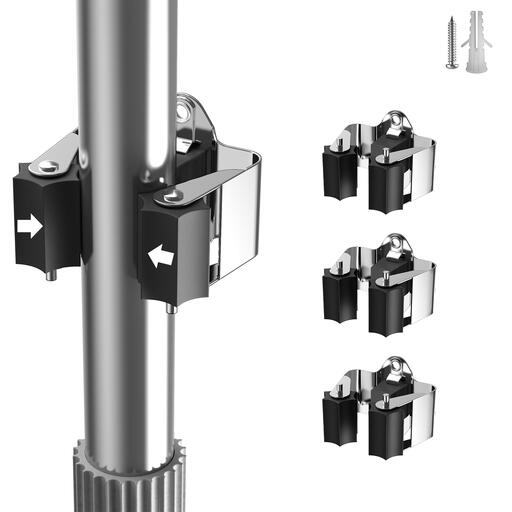
Why This Fits Their Persona: Ideal for anyone looking for a straightforward and cost-effective solution to create basic order in the basement, utility closet, or kitchen. Perfect for getting started with an organized home.
The manganese spring steel material is significantly more robust than brittle plastic (avoids Trap 1). The specified load capacity of 4.5 kg per holder is realistic for household tools like brooms and mops (avoids Trap 2).
Secure screw mounting for a permanent hold. The adaptable roller-ball mechanism is suitable for handle diameters from 18 to 35 mm.
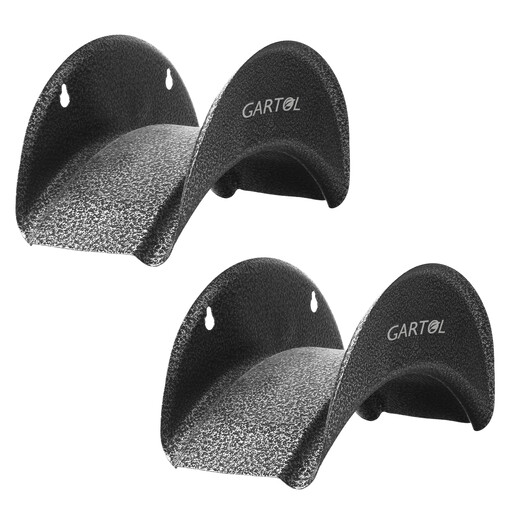
Why This Fits Their Persona: Designed for garden owners who need a dedicated, heavy-duty solution for heavy garden hoses. Standard tool holders are often unsuitable for this weight and volume.
Made from hardened steel with a special surface treatment for outdoor use, this holder resists rust (avoids Trap 1). It is purpose-built and doesn't make unrealistic all-in-one promises (avoids Trap 2).
High load capacity for hoses up to 38 meters (approx. 125 feet). The design prevents kinks and tangles, extending the life of the hose.
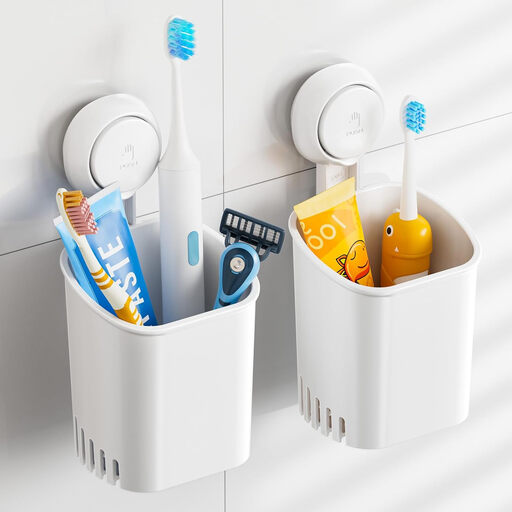
Why This Fits Their Persona: The perfect solution for renters who want to create order in tiled bathrooms or kitchens without drilling and damaging the tiles. Ideal for flexible and residue-free organization.
The manufacturer clearly states that the product only works on smooth, non-porous surfaces. This avoids the "sticks-anywhere" trap of many no-drill alternatives and sets realistic expectations (avoids Trap 3).
Tool-free installation in seconds. The patented suction technology holds up to 5 kg (11 lbs) according to the manufacturer. The drainage design prevents water buildup.
We have compiled a complete, up-to-date list of products that fully meet these strict selection criteria and safety standards.
The specified maximum load capacity (e.g., 4.5 kg or 10 lbs) usually refers to a single holder under ideal conditions. However, the actual load-bearing capacity depends heavily on the wall's condition and the quality of the installation (screws and anchors used). For heavy tools, you should always choose a screw-mounted system and ensure your wall can support the load.
Generally, no. Suction cup or adhesive systems require a completely smooth, clean, and non-porous surface to create a vacuum or adhesive bond. Textured wallpaper, plaster, or painted wood are porous and/or too uneven, which prevents a reliable hold. For such walls, screw mounting is the only secure method.
For outdoor or damp-room use, choose models made of stainless steel or with a high-quality powder coating. Wipe the holders dry regularly and check the coating for scratches. If a scratch exposes the underlying metal, it can be touched up with a suitable metal-protecting paint to prevent rust from forming.