
Lieferung heute & morgen

Qualitätsgarantie

Willkommens-Angebote freischalten: KOSTENLOSE Lieferung | Bis zu 80 % RABATT | Kostenlose 30-Tage-JoyPlus-Testphase
App herunterladen
A well-equipped tool set is the foundation of any successful DIY project. But the market can be overwhelming, filled with offers that promise more than they deliver. Many sets entice buyers with a high piece count, but the quality of the individual components often leaves much to be desired. As your Joybuy Product Recommendation Officer, I'll help you identify the common pitfalls and make an informed decision that will pay off in the long run.
Before you invest, you should be aware of the three most common problems with low-quality sets, which often only become apparent after a short period of use.
To avoid these pitfalls, focus on three verifiable quality features. These will help you separate the wheat from the chaff.
The material specification is the most important indicator of durability and performance, especially for cutting tools.
Before buying an accessory set like a saw blade set or hole saw set, always check the shank system. For jigsaws, the T-shank is the most common standard, used by most brands like Bosch, Makita, or DeWalt. For reciprocating saws, a universal 1/2-inch shank generally ensures broad compatibility. A clear compatibility statement from the manufacturer is a sign of a well-designed product.
Think carefully about the tasks you want to accomplish. For repairing threaded connections on machinery or in the automotive sector, a specialised tap and die set is the only practical solution. A general DIY tool kit would be unsuitable here. If, on the other hand, you need a basic kit for various drilling projects, a well-curated hole saw set with common diameters is a practical purchase.
Here are some product recommendations tailored to specific needs and use cases.
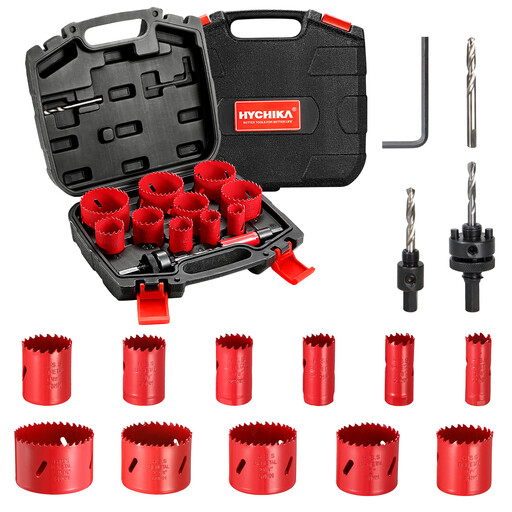
Why it's a great fit: Ideal for DIYers who need a ready-to-use solution for a specific task, such as drilling holes for cable pass-throughs or recessed lighting in wood, plasterboard, or soft metal.
This set avoids the "all-in-one" trap through specialisation. It focuses on a single task and delivers the necessary quality. The "Bi-Metal" specification for the cutting edges directly addresses the issue of low-quality materials.
The set includes 11 saw blades in common sizes (19-68 mm) as well as the corresponding mandrels and pilot drill bits. Everything is sorted in a compact case and ready for immediate use.
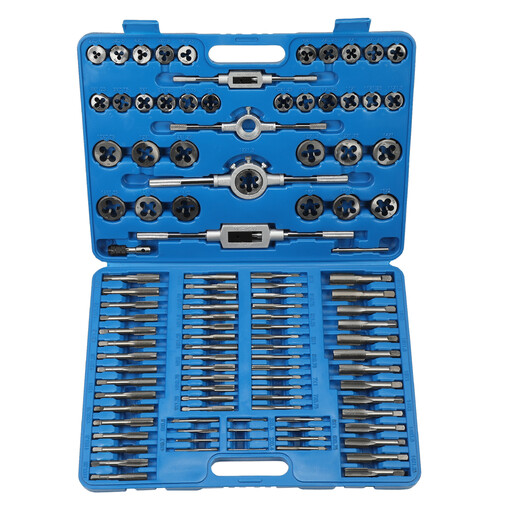
Why it's a great fit: Perfect for mechanics and metalworkers who regularly need to cut or repair internal and external threads. The extensive scope covers almost all common metric sizes.
This is a highly specialised set that contains no unnecessary filler tools. The product description transparently lists all 35 sizes and pitches, so the buyer knows exactly what they are getting for their money.
The set includes taper, plug, and bottoming taps for each size, enabling professional-grade work. Storage in a sturdy plastic case keeps the workshop organised.
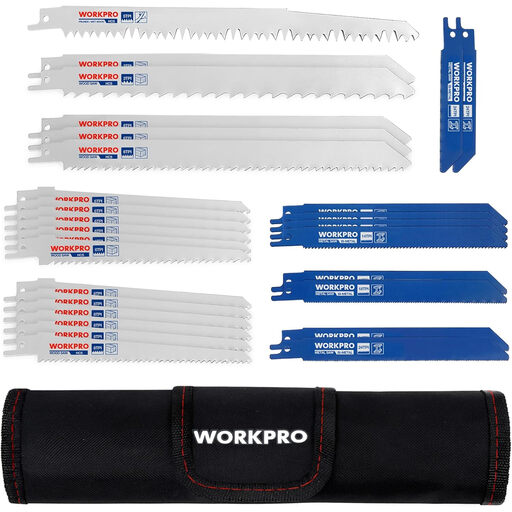
Why it's a great fit: For users who already own a reciprocating saw and are looking for a versatile, durable selection of blades for renovation, gardening, and demolition work.
It addresses the compatibility trap by explicitly naming compatible brands (Bosch, Dewalt, Makita, etc.). It also clearly distinguishes between Cr-V steel for wood and Bi-Metal for metal, thus avoiding the material trap.
The 32-piece set offers broad coverage for different materials and cut types. The included nylon roll-up pouch ensures neat and portable storage for the blades.
We have compiled a complete, up-to-date list of products that meet these strict selection criteria and comply with current safety regulations.
A pure HSS (High-Speed Steel) saw blade is hard and brittle throughout. It is excellent for precise, straight cuts in metal but can break more easily if bent or jammed. A bi-metal saw blade has a flexible spring steel body with only the tooth tips made of HSS. This makes it significantly more resistant to breakage and vibration, increasing its lifespan during demanding demolition or renovation work.
Proper storage is crucial for longevity. Keep your tool set in a dry place. Most sets come in plastic cases that provide good basic protection. After use, especially in damp environments, the tools should be briefly wiped with a dry cloth. An occasional spray of penetrating oil on metal parts like pliers or taps can effectively prevent surface rust.
No, compatibility is not universal. For jigsaws, the T-shank is the most common, but the older U-shank (universal shank) also exists. For reciprocating saws, the 1/2-inch universal shank is the de facto standard, so most blades fit most tools. Nevertheless, always check the manufacturer's specifications for both your power tool and the saw blade set to be sure.