
Lieferung heute & morgen

Qualitätsgarantie

Willkommens-Angebote freischalten: KOSTENLOSE Lieferung | Bis zu 80 % RABATT | Kostenlose 30-Tage-JoyPlus-Testphase
App herunterladen
Whether for a quick bike repair, assembling new furniture, or car maintenance—a reliable tool set is the foundation of any successful DIY project. But the market is overwhelming and full of offers that overpromise and underdeliver. Many buyers invest in extensive sets only to find the tools are useless after a short time.
As your Joybuy Product Recommendation Officer, I'll help you identify the common pitfalls and make an informed decision. We will focus on the objective features that define a durable and functional tool set.
Before we dive into the important quality features, let's look at the three most common mistakes that lead to frustration and unnecessary expense:
To avoid these traps, you should focus on three verifiable criteria. These determine the longevity and functionality of your tools.
Material quality is non-negotiable. Look for tools made from specific alloys to ensure a long service life.
The ratchet is often the centerpiece of a socket set, also known as a ratchet set. Its efficiency is determined by two factors:
Instead of buying a huge set, choose a configuration that matches your projects. A general repair kit for the home requires different tools than specialized equipment for bicycle maintenance. Cordless tool sets, which offer wireless flexibility with tools like cordless screwdrivers or cordless ratchet wrenches, are also gaining importance.
Based on these objective criteria, we have identified several products that represent a thoughtful solution for specific requirement profiles.
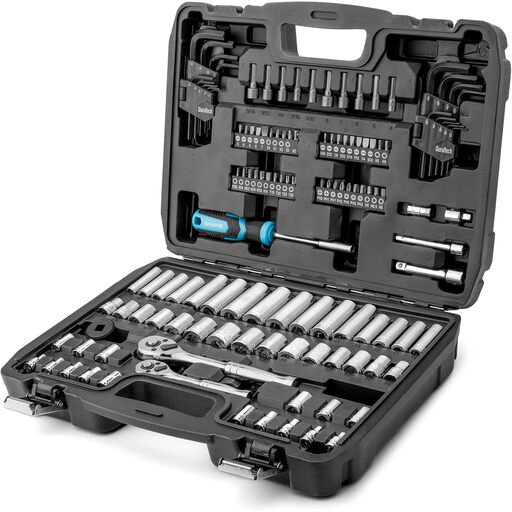
Why This Fits Their Persona: Ideal for those who want a solid starter kit for general home and auto repairs without paying for unnecessary specialty tools. This set covers the most common tasks.
The set is made of heat-treated Chrome Vanadium Steel, thus avoiding the trap of inferior materials. The assortment is designed for versatility and avoids filler pieces.
Includes 1/4" and 3/8" drives for flexibility. All tools are housed in a sturdy case, which makes organization and transport easy.
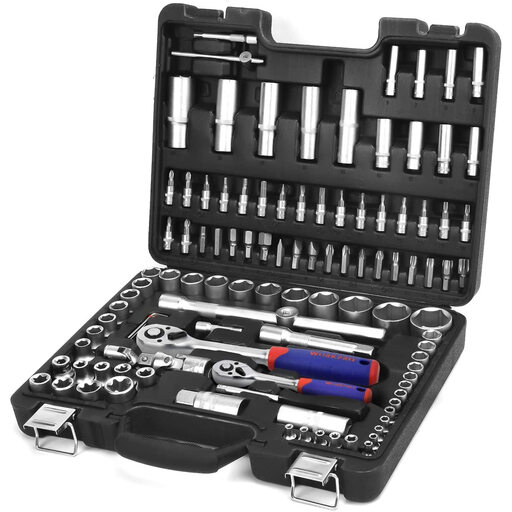
Why This Fits Their Persona: Designed for DIYers and mechanics who regularly work on vehicles. This set provides the necessary tools for more demanding automotive repair and maintenance tasks.
Focuses on the 1/4" and 1/2" drives relevant for vehicle repair. The 72-tooth ratchet allows for precise work even in tight spaces, and the Cr-V steel construction ensures durability.
Comprehensive metric assortment including spark plug sockets and extensions. The sturdy carrying case keeps tools organized and protected.
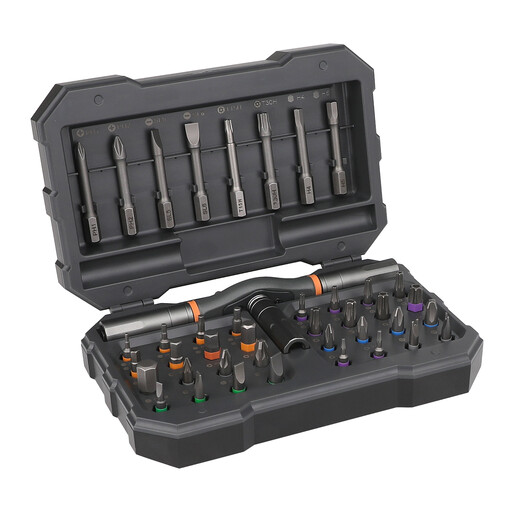
Why This Fits Their Persona: Perfect for electronics repair, furniture assembly, or bike maintenance where precision and access to hard-to-reach places are required. A compact **repair kit** for detailed work.
This set is highly specialized and compact, avoiding the trap of overloaded, useless sets. The bits are made from S2 tool steel, a material known for its high hardness and wear resistance in precision tools.
Combines the function of a ratchet screwdriver and a wrench. Includes extended bits for deep-set screws and a magnetic system for a secure grip.
We have compiled a complete, up-to-date list of products that fully meet these strict selection criteria and German safety regulations.
1. What is the difference between Chrome Vanadium and Chrome Molybdenum steel? Chrome Vanadium steel (Cr-V) is a very durable all-around material for most hand tools like wrenches and sockets. Chrome Molybdenum steel (Cr-Mo) is even harder and more impact-resistant, making it the preferred choice for tools subjected to extreme stress, such as sockets for impact wrenches.
2. How many teeth should a good ratchet have? A higher tooth count is generally more advantageous. A ratchet with 72 or more teeth requires a smaller swing angle (typically 5 degrees or less) to engage the next tooth. This is a significant advantage when working in tight spaces, as you can tighten or loosen the fastener even with minimal clearance.
3. In Germany, do I need a metric or an SAE (imperial) tool set? For work on European vehicles, bicycles, and most household items in Germany, you will almost exclusively need a metric tool set (measurements in millimeters). SAE sizes (in inches) are mainly required for American vehicles or certain imported machinery. Some comprehensive sets include both systems, but for normal use in Germany, a purely metric set is often the more sensible and straightforward choice.