
Lieferung heute & morgen

Qualitätsgarantie

Willkommens-Angebote freischalten: KOSTENLOSE Lieferung | Bis zu 80 % RABATT | Kostenlose 30-Tage-JoyPlus-Testphase
App herunterladen
A well-organized workshop is the foundation for efficient and safe work. However, the market for tool storage is overwhelming and filled with products that over-promise and under-deliver. Many trade professionals and DIY enthusiasts invest in solutions that prove to be impractical or inadequate after a short time. Before you make a purchasing decision, it's crucial to understand the common pitfalls that lead to frustration and unnecessary expenses.
Common problems when choosing include:
A well-thought-out choice based on objective criteria will protect your tools and save you time and money in the long run.
To make an informed decision, you should focus on three essential technical features. These determine the durability, functionality, and practical value of your tool storage.
The material is critical for stability and longevity. Pay attention to precise specifications regarding the material type and thickness.
The way you transport and access your tools directly impacts your work efficiency.
A well-designed workshop organization system grows with your needs. Modular systems offer clear advantages here.
Based on these objective criteria, we have identified various solutions for typical user profiles.
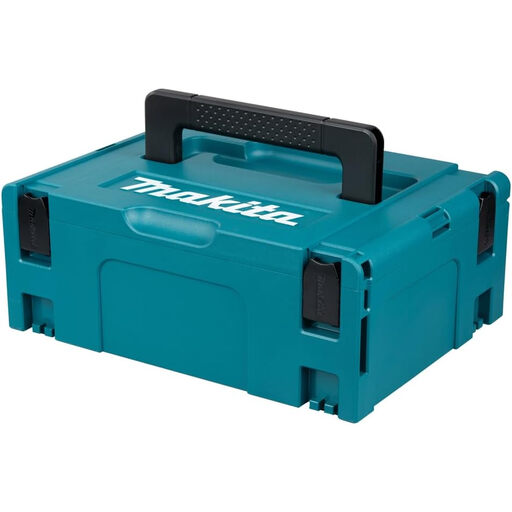
Why This Fits Their Persona: Ideal for professionals who regularly transport their tools between the workshop and job sites. The case is part of an established, professional system that ensures organization and efficiency during transport.
Solves the problem of lacking modularity. As part of the MAKPAC system, it connects seamlessly with other cases and accessories, preventing a chaotic hodgepodge.
Full system compatibility with the Makita MAKPAC system. Robust plastic construction protects tools during transit.
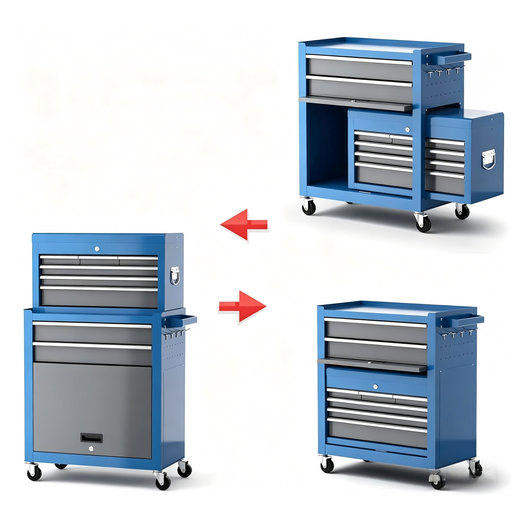
Why This Fits Their Persona: Suitable for users who need a stationary yet flexible, high-capacity solution for their garage or workshop. Offers ample space for a large collection of tools and accessories.
Avoids the flimsy material trap with its cold-rolled steel construction and powder-coated finish. The lockable universal casters address the problem of poor mobility and stability.
High load capacity of up to 550 lbs (approx. 249 kg) according to the manufacturer. Additional storage via side pegboards with hooks.
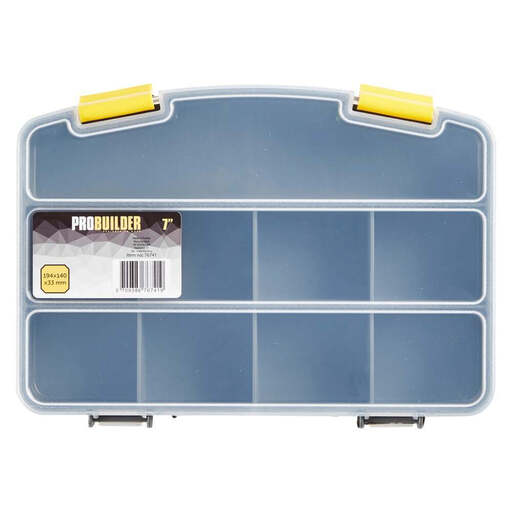
Why This Fits Their Persona: Perfect for DIY enthusiasts, model builders, or electronics hobbyists who need a structured solution for screws, dowels, components, and other small parts. A classic small parts organizer for maximum clarity.
Prevents small parts from getting mixed up. The transparent lid and fixed compartments ensure contents stay in place during transport and are quickly identifiable.
Compact dimensions and 9 compartments for detailed sorting. The transparent lid allows for a quick content check without opening.
For a more comprehensive way to organize your workshop, especially for space-saving wall mounting, we have curated a selection of suitable products.
1. What is the difference between a tool case and a tool trolley? A tool case is a portable box designed for mobile use. It is ideal for taking a selection of tools to different job sites. A tool trolley (or rolling tool chest) is a larger, wheeled unit that serves as a mobile tool station in a workshop or garage. It offers significantly more storage space in the form of drawers and compartments and is intended for organizing an entire tool collection.
2. How do I maintain my metal tool storage to prevent rust? Keep the surfaces clean and dry. Clean up spills immediately. For models made of powder-coated steel, scratches in the coating should be touched up promptly to prevent moisture from reaching the underlying metal. Regular inspection and occasionally wiping it down with a lightly oiled cloth can further extend its lifespan.
3. Are stackable tool cases from different brands compatible with each other? Usually not. Most manufacturers use proprietary locking mechanisms that only work within their own system (e.g., Makita MAKPAC, Bosch L-BOXX). If you want to build a modular, stackable system, it is advisable to stick with one brand to ensure compatibility.