
Lieferung heute & morgen

Qualitätsgarantie

Willkommens-Angebote freischalten: KOSTENLOSE Lieferung | Bis zu 80 % RABATT | Kostenlose 30-Tage-JoyPlus-Testphase
App herunterladen
Whether you’re assembling furniture, repairing a pipe, maintaining a vehicle or renovating a room, tools for DIY enthusiasts and professionals need to match the specific task, the required force and the available space. A flashy product description is no substitute for checking the technical specifications. If you choose based solely on price or marketing claims, you’ll often end up buying twice.
Terms like “Heavy Duty” or “Professional” on their own tell you very little. What’s far more meaningful are verifiable details such as material, tool length, jaw opening, drive size, torque or a stated cutting capacity. When such data is missing, it’s difficult to judge whether a hand tool is suitable for the job you have in mind.
A large pair of pliers doesn’t automatically offer more benefit. In tight spaces, it can be too bulky, while a handle that’s too short provides little leverage on stubborn connections. With an oil filter wrench, the stated diameter range is also crucial. A model designed for 70 to 110 mm won’t fit every filter.
With power tools, buyers should check whether the battery and charger are included and which system they belong to. A cordless drill driver with a compatible battery system can be more practical in the long run if you already own other tools from the same system. With socket wrenches, flex handles and ratchets, the drive size and the sockets you already have need to match.
For hand tools you use frequently, details such as chrome-vanadium steel, alloy steel or hardened carbon steel are relevant reference points. A coating can help with corrosion protection, but it doesn’t replace storing tools in a dry place and cleaning them after use.
With pliers, also consider:
A combination plier is designed for gripping, bending and certain cutting tasks. It should not be used to loosen extremely stubborn screws or to cut hardened materials. For fine electronics and craft work, a precision pliers set with narrow jaws is usually more appropriate.
Before buying, you should know the dimensions of the workpiece. With a water pump plier, for example, 305 mm length and a maximum opening of 50 mm are concrete reference values. For small assembly jobs, a compact handle can offer better control.
With a ratchet, the drive size, number of teeth and swing angle are relevant. A 1/4-inch model with 72 teeth requires, according to the product information, a back-swing angle of just 5 degrees, making it suitable for confined spaces. For larger bolting jobs, a stronger drive is needed.
Before every job, check the tool, joints, grip surfaces and cutting edges for damage. When cutting, safety glasses and, where appropriate, gloves are part of the correct personal protective equipment. Non-insulated handles must not be used on live electrical cables.
Power tools should only be operated with compatible batteries and chargers. Keep ventilation slots free of dust; store batteries in a dry, frost-free place and separate from the tool, if the manufacturer recommends this. These simple measures help extend the service life and reduce ongoing costs.
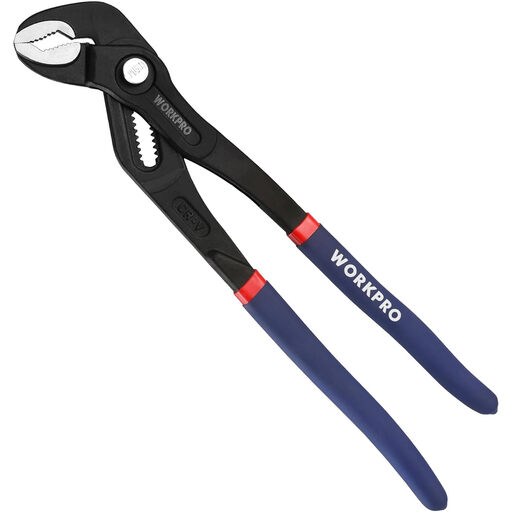
Why this product suits the profile: For homeowners and DIY users who need an adjustable plier for pipe connections, nuts and general repairs.
The maximum opening of 50 mm and the push-button adjustment are clearly stated. This makes it easier to match the working range with the workpiece before buying.
305 mm length, Cr-V steel, serrated gripping surfaces and ergonomically shaped plastic handles.
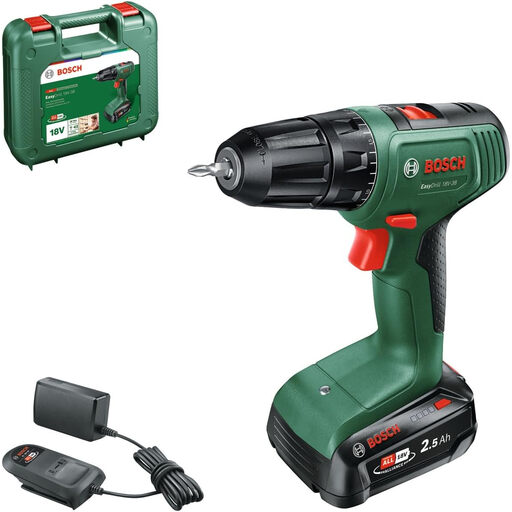
Why this product suits the profile: For renovations, furniture assembly and regular drilling and screwdriving tasks around the home.
The set specifies the battery, voltage, torque, speed and chuck size. It also clearly states its compatibility with the 18V POWER FOR ALL system.
2-speed gearbox, 20 torque settings, 10 mm keyless chuck and integrated LED work light.
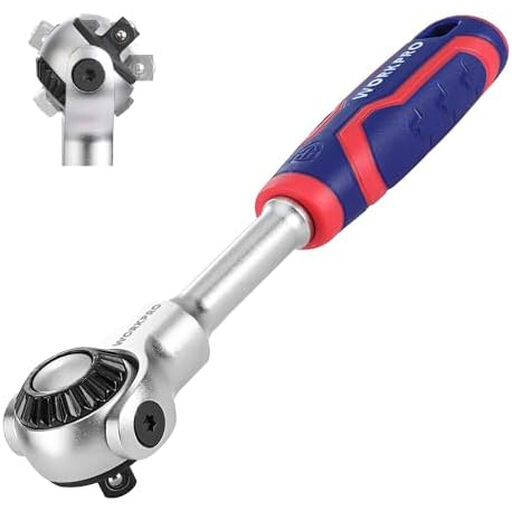
Why this product suits the profile: For mechanics, fitters and DIY users who frequently work in hard-to-reach places.
The drive size, number of teeth, length and swivel range are all clearly stated. This reduces the risk of choosing a ratchet that is too large or unsuitable.
270° swivel head, 72 teeth, quick-release function, 150 mm length and 140 g weight.
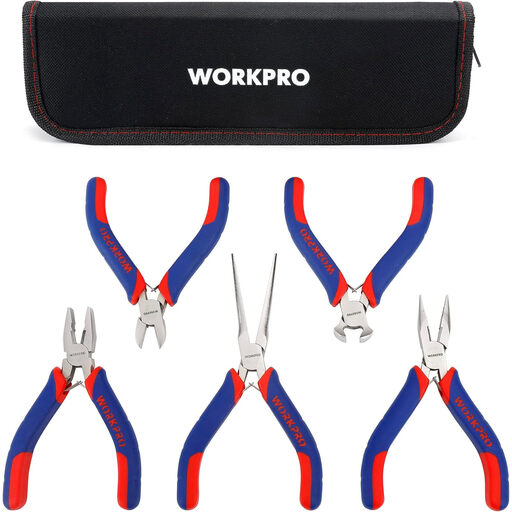
Why this product suits the profile: For jewellery making, model building, electronics DIY and small repairs in confined spaces.
The five included plier types are individually named. This allows you to check whether side cutters, flat-nose pliers, needle-nose pliers and other forms are actually needed.
Compact sizes, carbon steel with Ni-Fe coating, rubberised handles and nylon storage pouch.
For vehicle maintenance, a suitable oil filter wrench, a flex handle or a 1/2-inch ratchet can also be useful. For renovations, a paintbrush set and a mini paint roller with the correct pile height are practical workshop essentials. What always matters most is the surface, the working area and material compatibility.
We have compiled a complete, regularly updated list of products that fully meet these strict selection criteria and the safety regulations in force in the EU.
For most households, combination pliers, screwdrivers, a tape measure, water pump pliers, side cutters and a small ratchet are useful. If you regularly drill and drive screws, add a cordless drill driver to your kit. Your choice should always be guided by the jobs you actually do.
Tools should be kept dry, clean and protected from dust. Joints and cutting edges can be lightly maintained according to the manufacturer’s instructions. Batteries should not be stored in damp or very cold rooms. A well-organised tool bag or case also prevents delicate precision pliers from being damaged between heavier items.
A higher purchase price can be justified with frequent use, thanks to better materials, improved ergonomics or a compatible battery system. For occasional repairs, a clearly specified standard model is often sufficient. What matters most is the intensity of use, the need for spare parts and accessories, and suitability for the specific task.