
Lieferung heute & morgen

Qualitätsgarantie

Willkommens-Angebote freischalten: KOSTENLOSE Lieferung | Bis zu 80 % RABATT | Kostenlose 30-Tage-JoyPlus-Testphase
App herunterladen
For people with sensitive teeth or gums, daily brushing can be an unpleasant chore. Choosing the wrong toothbrush often exacerbates the problem instead of solving it. While many products promise a gentle clean, not all of them deliver on their marketing claims. This guide will help you identify the crucial features and make an informed decision based on objective criteria.
Before we explore the solutions, it's important to understand the typical pitfalls. Many consumers invest in products that fail to solve their issue or even make it worse.
To find a suitable toothbrush for gum problems, you should focus on specific, verifiable features. These characteristics are more important than bold marketing promises.
The firmness level is the most obvious criterion. For sensitive teeth, labels like soft or extra soft are the right choice. However, there are other details to consider:
An advanced brush head can be the difference between a superficial clean and one that is both deep and gentle.
To protect enamel and gums, controlling the application pressure is essential. Some manual toothbrushes have integrated clever mechanical solutions for this purpose.
Based on the objective criteria above, we have identified several products suitable for specific user profiles.
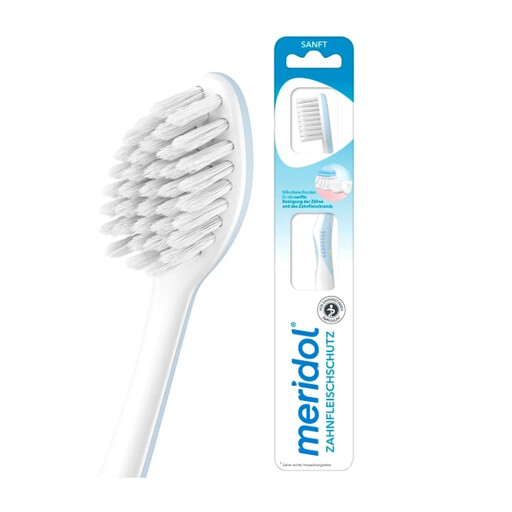
Why It's a Match: Ideal for individuals whose primary concern is protecting and caring for already irritated or inflammation-prone gums. The focus here is clearly on maximum gentleness.
The micro-fine bristle tips are specifically designed to clean right up to the gumline without causing irritation. This debunks the fallacy that softness comes at the expense of effectiveness at the critical gum margin.
The soft-coated brush head and small head size offer additional protection against injury and improve reach.
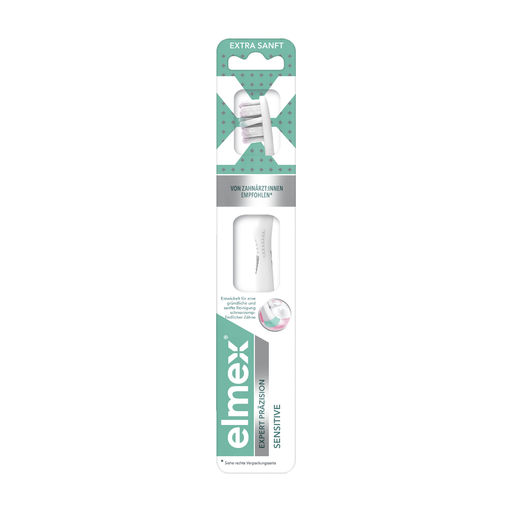
Why It's a Match: For users who don't want to compromise on cleaning performance despite having sensitive teeth, especially in the interdental spaces.
This model addresses the second pitfall—ignoring brush head technology. The combination of over 4,000 super-soft filaments and X-shaped bristles enables a thorough clean without being aggressive.
The high filament count ensures better pressure distribution, while the X-bristles reach deep into the spaces between teeth.
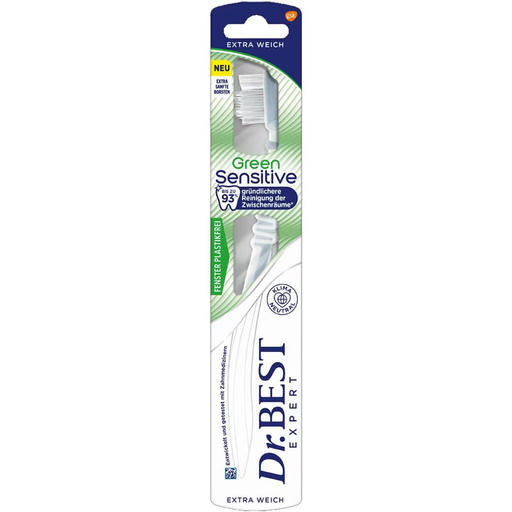
Why It's a Match: A solid choice for anyone looking for a reliable and accessible extra soft toothbrush that integrates fundamental protective features for sensitive teeth.
This model counteracts the problem of excessive pressure. Its flexible brush head gives way, helping to protect the gums from over-scrubbing—a common mistake in manual brushing.
The combination of silky special bristles and a flexible head allows for gentle plaque removal at the gumline and improved cleaning between teeth.
We have compiled a complete, up-to-date list of products that fully meet these strict selection criteria and all applicable regulations.
Dentists recommend replacing your toothbrush every three months. This is especially important for a toothbrush for sensitive teeth. Worn and frayed bristles lose their cleaning effectiveness and can further irritate the gums instead of protecting them. Replace your brush sooner if the bristles are visibly worn.
Yes, an electric toothbrush can be an excellent option, provided it has the right features. Look for models with a dedicated sensitive mode and a visual pressure sensor. The sensitive mode reduces the rotation or oscillation speed for a gentler clean. The pressure sensor warns you with a light indicator if you are pressing too hard, thereby protecting your enamel and gums.
Pay attention to the packaging details. Look for keywords like "soft" or "extra soft". Check if "rounded bristles" are mentioned. A small brush head is generally advantageous. Features like a flexible neck or a suspension system are also positive indicators of a thoughtful design engineered for gum protection.