
Lieferung heute & morgen

Qualitätsgarantie

Willkommens-Angebote freischalten: KOSTENLOSE Lieferung | Bis zu 80 % RABATT | Kostenlose 30-Tage-JoyPlus-Testphase
App herunterladen
The selection of family board games is huge, with countless new titles hitting the market every year. But not every game that promises fun on the box delivers it at the table. Many purchases end in disappointment because the game is too complicated, gets boring too quickly, or is simply a poor fit for the family. As a Joybuy Product Recommendation Officer, I'll help you recognise common pitfalls and make an informed decision.
Before we dive into the selection criteria, let's look at the most common reasons for a bad purchase. Knowing these will help you search for the right game more effectively.
To avoid these traps, you should check three core aspects before buying. These objective criteria will help you separate the wheat from the chaff.
These three factors form the foundation of a successful gaming experience.
A good family game should be easy to learn but hard to master. A quick look at the rulebook (often available online) provides insight into the complexity. High replay value often comes from variable game setups, a large number of different cards, or strategic decisions that must be made anew in every game. This is especially important for family games for ages 10 and up, where the demand for strategic depth increases.
To make the choice easier, we have matched some games to different player profiles.
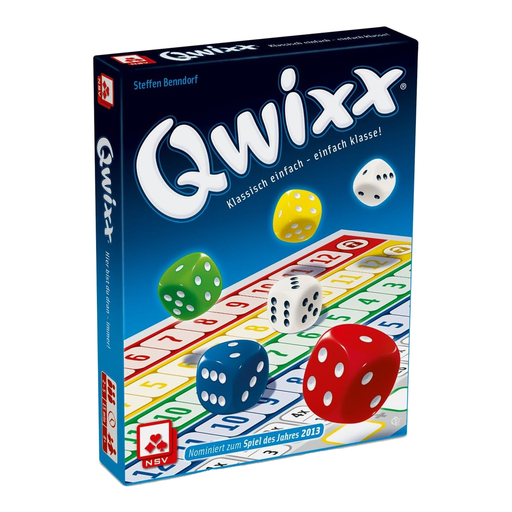
Why it's a great fit: Qwixx is a tactical dice game that plays in about 15 minutes. Since all players are involved in every roll, there's no long downtime. It's excellent for families and as a warm-up for game night.
Sidesteps the complexity misjudgment trap. The rules are explained in two minutes, but the tactical decisions of which numbers to cross off offer enough depth for many games.
No downtime, as all players can act simultaneously. The game was nominated for the Spiel des Jahres in 2013.
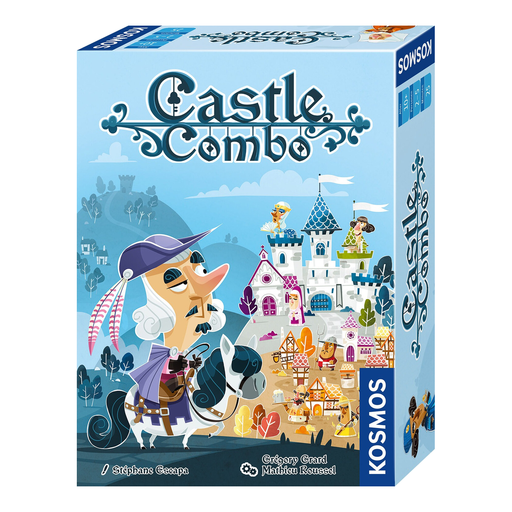
Why it's a great fit: This tactical card game is ideal for families with kids aged 10 and up who are looking for a challenge. Players combine cards to maximise points, which requires forward thinking.
Prevents the "one-and-done" trap. Thanks to the variety of character cards and combination possibilities, every game plays out differently and offers high replay value.
Promotes strategic thinking and planning. It was on the recommended list for the "Spiel des Jahres 2025".
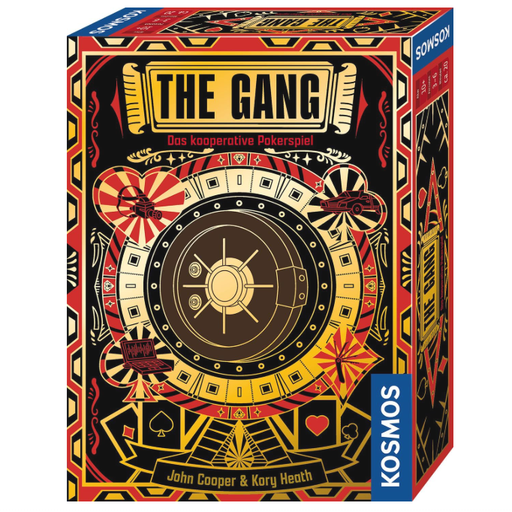
Why it's a great fit: As a cooperative poker game, "The Gang" is an interesting choice for groups that want to achieve a goal together. Players must work together to crack safes without being able to talk about their hands.
Solves the problem of excessive competition that can spoil the fun in some families. Here, everyone wins or loses together, which strengthens team cohesion.
A unique cooperative game mechanic based on familiar poker rules. It was on the recommended list for the "Kennerspiel des Jahres 2025".
We've compiled a full, up-to-date list of products that meet these strict selection criteria.
A good family game strikes the right balance between simple, understandable rules and enough strategic depth to remain interesting after multiple plays. High replay value, appealing design, and a playtime appropriate for the target audience are also crucial features.
Consider the players' experience. For beginners, quick card games or cooperative games with simple rules are suitable. Experienced groups often enjoy tactical board games with more complexity. The theme and desired interaction—competitive, cooperative, or communicative—are also important factors when choosing card games for adults.
The award is a reliable indicator of high design and gameplay quality. However, it's important to distinguish between the three categories: The red logo ("Spiel des Jahres" or Game of the Year) marks accessible family games. The blue logo ("Kinderspiel des Jahres" or Children's Game of the Year) is aimed at the youngest players. The anthracite logo ("Kennerspiel des Jahres" or Connoisseur's Game of the Year) honours more demanding titles for experienced players. Therefore, the award alone is not a reason to buy if the game doesn't fit your group's profile.