
Lieferung heute & morgen

Qualitätsgarantie

Willkommens-Angebote freischalten: KOSTENLOSE Lieferung | Bis zu 80 % RABATT | Kostenlose 30-Tage-JoyPlus-Testphase
App herunterladen
The search for the right wireless headphones can quickly become overwhelming. The market is filled with technical jargon and marketing promises that often confuse more than they help. As your Joybuy Product Recommendation Officer, I'll help you identify the crucial features and avoid common purchasing pitfalls, so you can make an informed decision.
Many buyers regret their decision because they fell for exaggerated advertising claims or inadequate product information. Pay special attention to these three points:
To avoid a bad purchase, focus on the following objective criteria that match your actual usage needs.
Choosing the form factor is the most fundamental decision and depends heavily on your intended use case.
Good noise cancellation is more than just a marketing term. Look for adaptive ANC systems that automatically adjust to your environment. Some manufacturers specify the reduction performance in decibels (dB), which allows for a more objective comparison.
For connectivity, Bluetooth 5.2 or higher is now standard and ensures a stable, energy-efficient connection. For audiophiles, audio codecs like LDAC or aptX HD are also relevant, as they enable a higher data rate and thus more detailed sound reproduction over Bluetooth headphones.
Here are some recommendations tailored to specific user profiles and designed to avoid the pitfalls mentioned above.
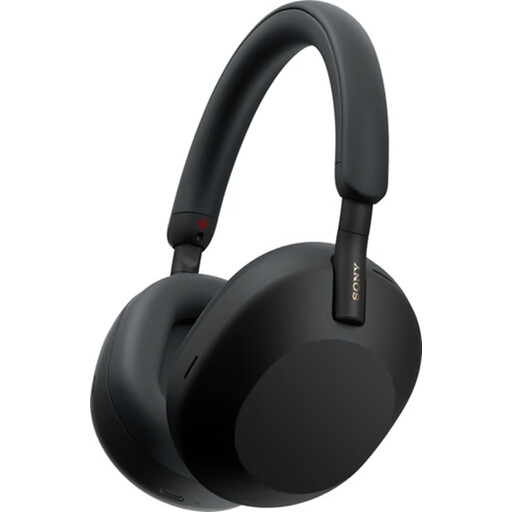
Why This Fits Their Persona: Ideal for commuters, travelers, and professionals who need top-tier noise cancellation and high-quality audio for focused work or relaxing music sessions. The multipoint connection allows for seamless switching between a laptop and a smartphone.
This model bypasses the "ANC" trap with industry-leading, adaptive noise cancellation that automatically adjusts to the environment. Additionally, the Precise Voice Pickup Technology with four microphones ensures clear calls, solving the problem of poor voice quality.
Support for High-Resolution Audio Wireless via LDAC. Up to 30 hours of battery life with ANC enabled, countering the unrealistic battery life trap.
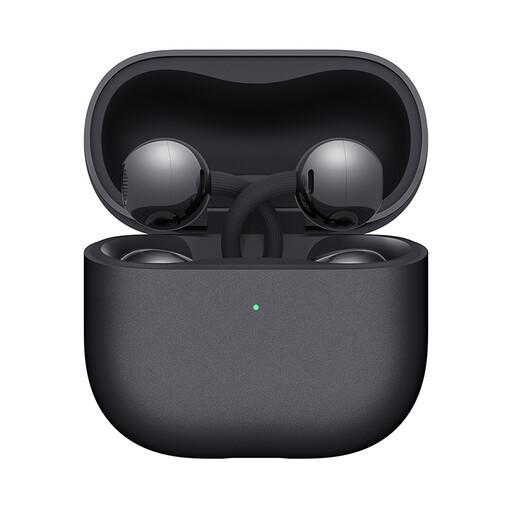
Why This Fits Their Persona: Perfect for users who wear headphones for many hours and need to remain aware of their surroundings. The open-ear design prevents pressure in the ear and is ideal for the office or for people who find traditional in-ears uncomfortable.
This model solves the problem of poor call quality with a system that detects background noise and emphasizes your voice. The open design is a deliberate feature, not a weakness, as it's aimed at situational awareness.
Extremely lightweight (5.1g per side) and comfortable C-bridge design. IP57 protection against sweat and water also makes them suitable for light sports activities.

Why This Fits Their Persona: An excellent option for students and budget-conscious users who don't want to miss out on modern features. They offer strong performance for the daily commute, studying, or enjoying music without breaking the bank.
This model avoids the weak ANC trap by offering a specified noise reduction of up to 49 dB with three adjustable modes. The battery life of up to 10 hours per charge (without ANC) is a realistic and strong figure in this price range.
Dual-driver system for Hi-Fi sound quality. The fast-charging feature (10 minutes for 4 hours of playback) is a practical feature that bypasses the unrealistic battery life trap.
We have compiled a complete, up-to-date list of products that fully meet these strict selection criteria and safety standards.
The lifespan of wireless headphones depends on two main factors: physical durability and battery life. With daily use, the capacity of the lithium-ion battery typically declines noticeably after 2-3 years. Physical durability depends on the build quality and care. Models with an IP rating (e.g., IPX4 or higher) are better protected against sweat and light rain, which can extend their lifespan.
Yes, most modern TVs have a built-in Bluetooth function. To connect your headphones, put them into pairing mode and search for Bluetooth devices in your TV's settings menu. Select your headphones from the list to establish the connection. Note that with some combinations, there may be a slight delay between the picture and sound (latency).