
Lieferung heute & morgen

Qualitätsgarantie

Willkommens-Angebote freischalten: KOSTENLOSE Lieferung | Bis zu 80 % RABATT | Kostenlose 30-Tage-JoyPlus-Testphase
App herunterladen
The idea of having information directly in your field of view, translating conversations in real-time, or recording experiences hands-free makes AI glasses a promising tool. However, the market is filled with models whose advertised features often fail to deliver in practice. Before you buy a pair of smart glasses, it's crucial to know the most common pitfalls to avoid a poor investment.
As a Joybuy Product Recommendation Officer, I will analyse the essential features for you and help you separate the wheat from the chaff.
Many early adopters are disappointed with their devices because they fell for marketing promises. Pay special attention to these three points:
To make an informed decision, you should carefully examine three technical aspects. These determine whether a pair of smart glasses will genuinely enhance your daily life.
The most fundamental distinction lies in how information is delivered.
The utility of AI glasses depends on the practical implementation of their core functions.
AI glasses must be designed for daily use.
Based on these criteria, we have identified a few models that represent a considered choice for specific user profiles.
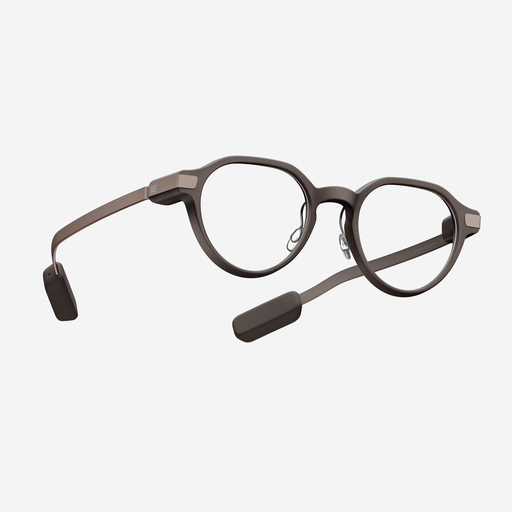
Why This Fits Their Persona: Ideal for business travellers and professionals who need discreet support in their daily work. The display is perfect for real-time translations in meetings or as a teleprompter during presentations, without others noticing.
The deliberate omission of a camera ("Privacy First") bypasses social acceptance issues and legal grey areas. The battery life of up to 2 days with regular use (according to the manufacturer) directly addresses the weak point of many competing products.
Lightweight design (36g) with titanium temples for superior comfort. A clear Micro-LED display for discreet information. Focused productivity features like transcription and AI summaries.
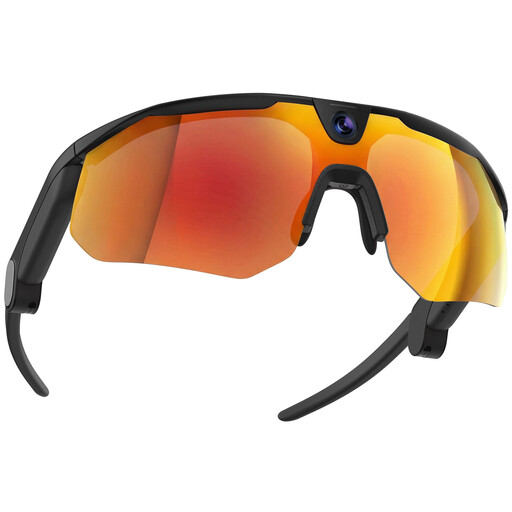
Why This Fits Their Persona: Designed for cyclists, hikers, and other outdoor athletes who want to record their experiences from a first-person perspective. The combination of a camera, audio, and a rugged design makes them specialised sports glasses with a camera.
These glasses avoid the comfort pitfall with their low weight of 49g and a design tailored for athletic activities. The AI functions are focused on a clear use case (automatic video editing) instead of promising vague, all-purpose features.
3K video recording at 60 FPS with EIS for smooth footage. Open-ear audio allows you to listen to music or instructions without completely blocking out ambient sounds, which enhances safety.
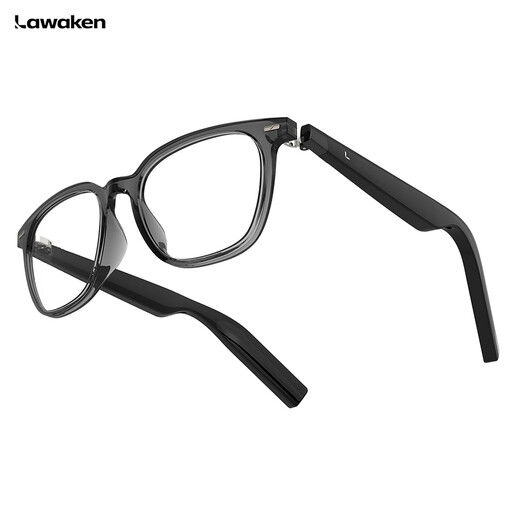
Why This Fits Their Persona: Perfect for internationally active individuals and tech enthusiasts who want to overcome language barriers and boost their productivity with AI. The focus is clearly on communication and intelligent assistance in an audio format.
This model avoids the trap of superficial AI integration by connecting to multiple large language models (ChatGPT, Gemini, Claude) and offering a dedicated function for meeting summaries. The manufacturer's stated battery life of 12 hours of continuous use is a clear statement against the battery pitfall.
Real-time translation for 128 languages. Lightweight, modular design (from 33g) with interchangeable frames. IPX4 water resistance makes them suitable for everyday use.
We have compiled a complete, up-to-date list of products that fully meet these strict selection criteria and safety regulations.
Yes, many models are designed so that the lenses can be replaced. You can have such Bluetooth glasses with prescription lenses fitted by an optician. Before purchasing, check the product details to see if the frame is listed as "prescription compatible."
Battery life varies greatly depending on usage. Audio-only glasses often last 8-12 hours for music playback. Models with a display (data glasses) or intensive camera use often only achieve 2-4 hours of active use. Pay attention to the capacity (in mAh) and whether a charging case is included, which can recharge the glasses multiple times.
The use of glasses with a camera is subject to strict data protection regulations (like GDPR) in many regions. Secretly filming people in public spaces violates their privacy rights. Always inform people before you start recording. Some models that deliberately omit a camera bypass this issue and enjoy greater social acceptance.