
Lieferung heute & morgen

Qualitätsgarantie

Willkommens-Angebote freischalten: KOSTENLOSE Lieferung | Bis zu 80 % RABATT | Kostenlose 30-Tage-JoyPlus-Testphase
App herunterladen
The variety of Asian chilli sauces can be overwhelming. From bright red Sriracha to deep, dark gochujang paste, each sauce offers a unique flavour experience. Making the right choice is key to giving dishes like ramen, curries, or bibimbap their authentic kick. This guide is here to help, showcasing a selection of sauces distinguished by their specific characteristics and uses.
To find the perfect sauce for your needs, it helps to understand a few key criteria.
A sauce's country of origin plays a major role in shaping its character.
The heat level is just one aspect. Pay attention to the entire flavour profile:
The ingredients list provides insight into quality and authenticity. A high chilli content often indicates more intense heat and a bolder flavour. The consistency determines its use:
Here is a look at three different chilli sauces, each representing a specific flavour profile from Asian cuisine.
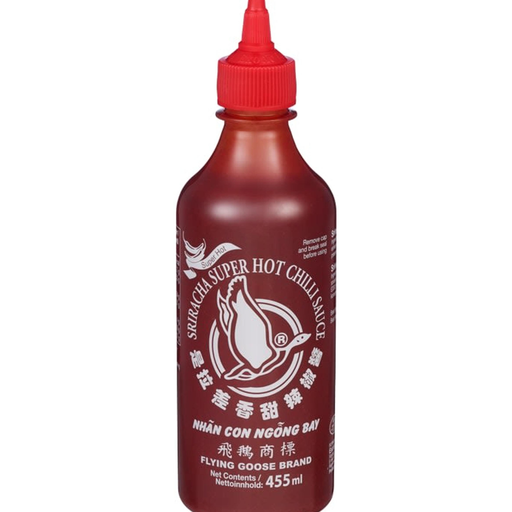
Why It Stands Out: This version of the classic Sriracha sauce is distinguished by its exceptionally high chilli content of 70%. The combination of intense heat, garlic, and a slight sweetness makes it a powerful condiment. Its smooth consistency allows for easy portioning.
Advantages:
Who It's For: Anyone who loves the familiar taste of Sriracha but is looking for an extra-hot sauce. It's ideal for quickly and easily adding intense heat to dishes. If you want to buy a Sriracha sauce that goes beyond the standard, this is an excellent option.
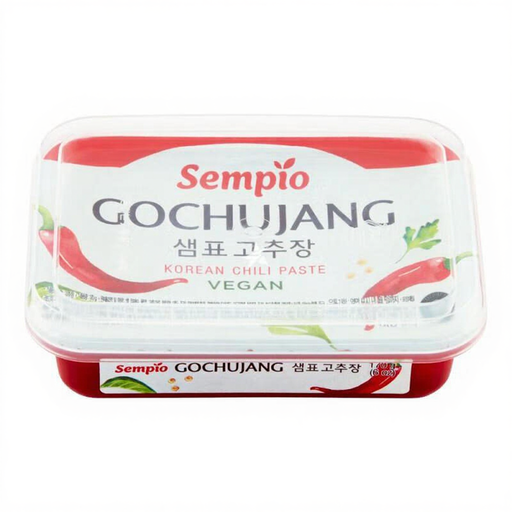
Why It Stands Out: Sempio Gochujang is an authentic Korean chilli paste that develops its deep, complex flavour through traditional fermentation. It combines heat with sweet and savoury umami notes derived from ingredients like rice paste and fermented soybeans.
Advantages:
Who It's For: Home cooks who want to prepare authentic Korean dishes like bibimbap, bulgogi, or spicy stews. This paste is an indispensable base ingredient for anyone looking to explore the depth of Korean cuisine.
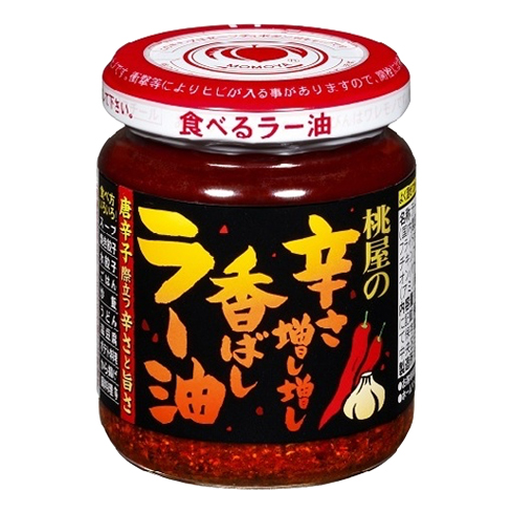
Why It Stands Out: This spicy chilli oil delivers the characteristic "ma-la" experience of Sichuan cuisine: a combination of the fiery heat of chillies ("la") and the numbing, tingling sensation of Sichuan peppercorns ("ma"). Fried garlic, onions, and sesame oil provide additional aromatic depth.
Advantages:
Who It's For: Fans of Sichuan cuisine and adventurous cooks looking for a multidimensional heat. Perfect as a ramen seasoning or to give simple dishes an exciting, authentic Chinese twist.
The world of spice is vast and diverse. If the products featured here aren't exactly what you're looking for, or if you simply want to discover other Asian specialities, there are numerous alternatives available. From milder versions to sauces with exotic fruit notes, the selection is extensive.
Browse our full range and find the perfect condiment for your next culinary project.
Discover more hot table sauces here
The main difference lies in the ingredients and consistency. Sriracha is a pourable Thai chilli sauce based on fresh chillies, vinegar, and garlic. Gochujang is a thick, fermented Korean chilli paste made from chilli powder, glutinous rice, and soybeans, which has a deeper, sweet and savoury umami flavour.
Spicy chilli oil is most often used as a finishing condiment. Drizzle a spoonful over noodle dishes, soups (especially ramen), rice, vegetables, or dumplings (gyoza) just before serving. It can also be used as a base for dressings or dips.
The heat level of gochujang can vary, but it is generally moderate to hot. The paste's sweetness and savoury notes balance the heat well, so it is rarely perceived as purely fiery. The intensity depends on the amount used and its combination with other ingredients.