
Lieferung heute & morgen

Qualitätsgarantie

Willkommens-Angebote freischalten: KOSTENLOSE Lieferung | Bis zu 80 % RABATT | Kostenlose 30-Tage-JoyPlus-Testphase
App herunterladen
A planned game night with friends or family promises a time filled with laughter and shared experiences. However, this anticipation can quickly turn to frustration if the chosen card game fails to meet expectations. Perhaps the rules are so complicated that the first hour is spent just deciphering the manual, or the party game advertised as "guaranteed fun" falls flat because its humour doesn't resonate with the group.
These are common pitfalls that can dampen the mood. Often, the key to a successful evening lies in choosing a game that truly fits the occasion and the players. Instead of being swayed by marketing promises, it's wiser to focus on objective criteria.
To avoid a bad purchase, you should check a few fundamental parameters before making a decision. These will help you separate the wheat from the chaff and find a game that will bring long-term enjoyment.
The player count listed on the box is a starting point, but the crucial question is scalability. A game designed for 2 to 8 players doesn't necessarily offer the same experience with every group size. Some board games only hit their stride in larger groups, while others work best with just two players.
A game's complexity should match the group's experience level. Nothing is more frustrating than a game that overwhelms or bores half the players.
A game's theme is more than just decoration; it creates atmosphere and can significantly contribute to the fun. Family games with child-friendly themes and illustrations engage the youngest players, while abstract strategy games or crime-solving mystery games tend to appeal more to adults. Make sure the theme and presentation suit the planned group to ensure everyone feels comfortable and engaged.
Here are some recommendations tailored to different player types and occasions, taking the aforementioned criteria into account.
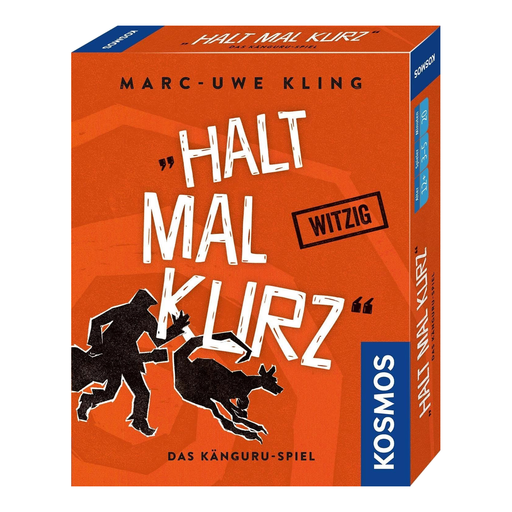
Why it's a great fit: Ideal for casual groups who want to jump right in without lengthy preparation. The well-known humour of author Marc-Uwe Kling creates a lighthearted and unpredictable dynamic, perfect as an icebreaker or a quick game between activities.
This game avoids the trap of overly complex rules. The mechanics are designed for quick card exchanges and surprising twists, so the flow of the game isn't interrupted by constantly checking the rulebook.
Short playtime: At approx. 20 minutes per round, it's ideal for multiple games. High entertainment value: The humour and fast-paced interactions create a lively atmosphere.
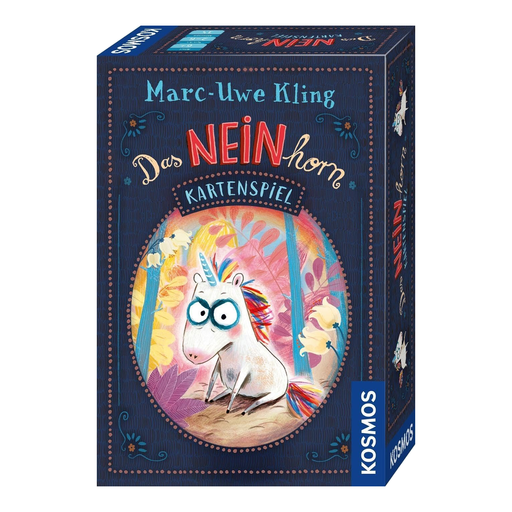
Why it's a great fit: This game engages children with the well-known and beloved character from the children's book. The simple wordplay and cooperative mode make it entertaining for adults too, fostering a shared gaming experience.
It avoids being just a children's game that's boring for adults. The cooperative mode encourages teamwork, preventing the frustration that too much competition can cause in younger players.
For kids aged 6+: The rules are simple and age-appropriate. Cooperative mode: Allows for team play against the clock, which strengthens camaraderie.
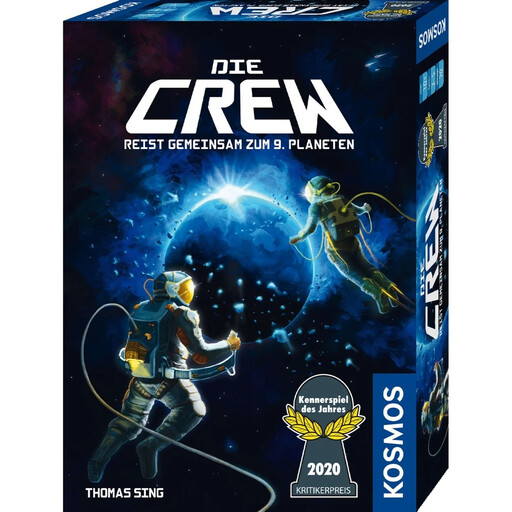
Why it's a great fit: Perfect for groups seeking a mental challenge who enjoy working together. The mission-based structure provides a sense of progression and high replayability. It was awarded the "Kennerspiel des Jahres 2020" (Connoisseur's Game of the Year).
Although it's strategic, it's not overwhelming. The difficulty increases gradually over 50 missions, allowing the team to grow into the challenge. This prevents the initial frustration that can overwhelm new players.
Purely cooperative: The team wins or loses together. Progressive structure: 50 missions with increasing difficulty ensure long-lasting fun.

Why it's a great fit: This game scales brilliantly for larger groups (up to 10 players) and requires no prior knowledge—just a love for music. The Spotify app integration makes getting started seamless and sparks immediate interaction.
It avoids the niche-humour trap of many party games by using the universal language of music. Scanning a card and hearing a well-known hit is an instant icebreaker that connects generations and tastes.
Easy to start: No need to study rules; just scan a card and play. Interactive and social: Encourages singing along, reminiscing, and debating.
We've compiled a complete, up-to-date list of products that fully meet these strict selection criteria and German safety regulations.
A good two-player game often features direct interaction, minimal downtime between turns, and strategic depth that doesn't rely on large-group dynamics. Games designed specifically for two players, or those with excellent two-player variants like SKYJO or certain cooperative games like The Crew, ensure a balanced and engaging experience.
The easiest method is to use card sleeves, especially for frequently played games. These plastic protectors prevent bent corners, scratches, and damage from spills. Storing the game in its original box in a dry place, away from direct sunlight, also helps preserve the quality of the cards.
Ideal travel games come in a compact box, require little table space, and have durable components. Games like Gaigel/Binockel in its plastic case, SKYJO Action, or Black Stories are excellent choices as they are easy to pack and can be played almost anywhere.