
Lieferung heute & morgen

Qualitätsgarantie

Willkommens-Angebote freischalten: KOSTENLOSE Lieferung | Bis zu 80 % RABATT | Kostenlose 30-Tage-JoyPlus-Testphase
App herunterladen
Choosing the right hiking gear can be a challenge given the sheer volume of products and marketing claims. Unsuitable equipment not only reduces comfort but can also compromise your safety on the trail. Many outdoor enthusiasts invest in products that later prove to be impractical or inadequate. This guide focuses on objective criteria to help you make informed decisions and avoid common purchasing traps.
A frequent mistake is focusing on exaggerated marketing terms. Products advertised as "extremely durable" or "ultralight" don't always meet the practical demands of a hike. Equally critical is neglecting the fit, especially with backpacks and boots. A poorly fitting trekking backpack can cause pain after just a few kilometres. Another pitfall is underestimating weather conditions and buying gear with inadequate water protection, which is particularly problematic in the variable climate of Central Europe.
To assemble a set of functional and durable gear, you should focus on verifiable technical specifications rather than marketing slogans. Three core areas are of particular importance.
A backpack's volume is only one aspect. The carrying system is crucial for comfort on long treks. A good system transfers about 70–80% of the weight to your hips, thus relieving pressure on your shoulders and spine. Pay attention to the following components:
A trekking backpack with a volume of 40 to 50 litres is sufficient for most two- to three-day tours.
The waterproof rating of tents, jackets, and backpacks is indicated by the water column in millimetres (mm). This value describes the water pressure a material can withstand before moisture penetrates. According to the DIN EN ISO 811 standard, a fabric is considered waterproof from 1,500 mm. For practical use in Central Europe, the following benchmarks are advisable:
An ultralight tent may have a lower material thickness but should still meet these minimum water column values to keep you dry in bad weather.
The weight of your gear is an important factor, but it should not be the sole criterion. Ultralight materials are often more expensive and can be less abrasion-resistant.
The right gear depends heavily on your individual use case. Here are some product suggestions tailored to specific hiking profiles.
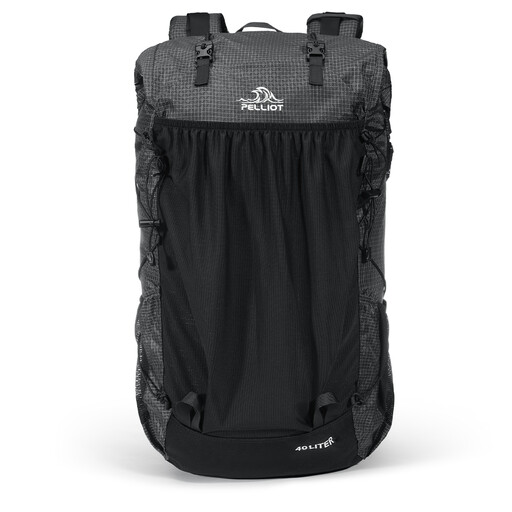
Why this product fits: It offers a structured carrying system and sufficient volume for weekend tours without breaking the bank. Ideal for hikers looking for solid entry-level gear.
The integrated carrying system with an aluminium frame effectively distributes the load to the hips, preventing the typical back pain that occurs with frameless, budget-friendly models.
Scientific load distribution and a 3D breathable padding system provide a level of comfort not typically found in this price range.
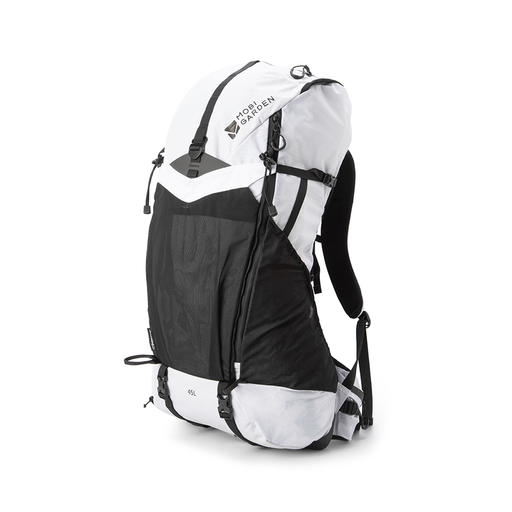
Why this product fits: Perfect for experienced hikers who want to optimise every gram on multi-day tours without compromising on tear resistance.
Instead of just advertising with the term "ultralight," this backpack uses Dyneema Composite Fabric, a material objectively known for its extreme strength-to-weight ratio.
Extremely tear-resistant and lightweight fabric combined with a 3D-ventilated carrying system for high performance and comfort over long distances.
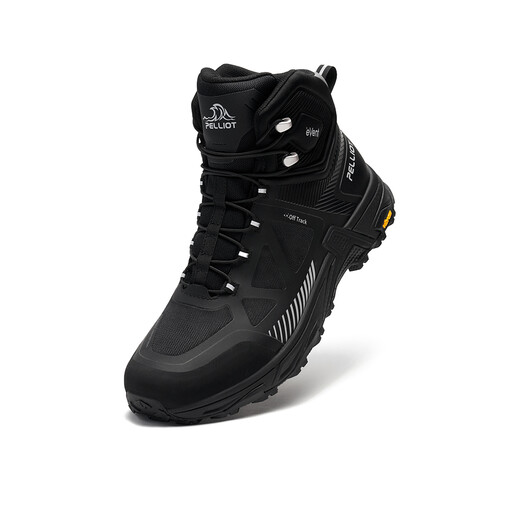
Why this product fits: For hikers on challenging trails who value quick, precise adjustments and a secure fit to prevent blisters and pressure points.
The Fitgo Quick-Lace System allows for precise, one-handed adjustment and prevents laces from loosening—a common annoyance that can lead to a poor fit and blisters.
A quick-lacing system for a consistently precise fit and an aggressive sole tread for high grip on wet rock and loose scree.
We have compiled a complete, up-to-date list of products that fully meet these strict selection criteria and relevant safety standards.
Proper care is crucial to maintaining the function and longevity of your equipment.
The water column is a standardised measure of a fabric's waterproofness. A value of 2,000 mm, for example, means the material can withstand the pressure of a two-metre-high column of water before water penetrates. For outdoor gear in Central Europe, a water column of at least 1,500 mm for rainwear and 2,000 mm for outer tents is a good benchmark for reliable protection.
Whether trekking poles are useful depends on the terrain and personal preference. On steep or uneven terrain, they can significantly relieve stress on the joints (especially knees) during descents and improve stability. They are not strictly necessary on flat, easy trails. Adjustable, lightweight poles like the Mobi Garden Aluminium Alloy Trekking Pole are a great option, as they can be easily attached to your backpack when not in use.