
Lieferung heute & morgen

Qualitätsgarantie

Willkommens-Angebote freischalten: KOSTENLOSE Lieferung | Bis zu 80 % RABATT | Kostenlose 30-Tage-JoyPlus-Testphase
App herunterladen
The selection of rosé wine on the shelf can be overwhelming. The colour palette ranges from delicate salmon pink to vibrant cherry red, and the labels promise a wide variety of taste experiences. Whether you're looking for a light wine for a warm summer evening, a companion for a meal, or a special gift, the decision is often difficult.
This article serves as a practical guide. We introduce different types of rosé wine and provide specific recommendations to help you find the perfect wine for your occasion and taste.
To make an informed decision when buying rosé wine, three aspects are particularly helpful: the flavour profile, the origin, and the intended occasion.
The description on the label provides a clear indication of the residual sugar content and, therefore, the taste of the wine.
The origin provides clues about the wine's style. While Provence in France is known for its pale pink, dry, and mineral-driven rosé wines, other regions are also gaining prominence. A German rosé wine, for example from Rheinhessen or the Pfalz, often impresses with its fresh acidity and clear fruit aromas from grape varieties like Sp?tburgunder or Dornfelder. The grape variety used significantly shapes the character—from spicy and powerful (e.g., Cabernet Sauvignon) to light and fruity (e.g., Grenache).
The intended use is crucial for your selection. For a social gathering in the garden, an easy-drinking, well-chilled rosé is often the right choice. If you are planning a dinner, the wine should be paired with the dishes. For festive moments or as a high-quality gift, a Rosé Champagne is an excellent option that conveys elegance and exclusivity.
Based on these criteria, we have compiled a selection of rosé wines for different preferences and occasions.
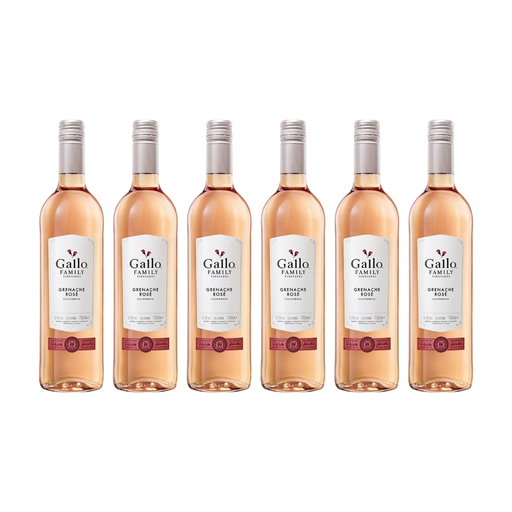
Gallo Family Vineyards Rosé Wine Grenache Sweet 6x0.75 L
Why It Stands Out This rosé from California is distinguished by its approachable and fruit-forward profile. The Grenache grape provides intense aromas of fresh strawberries and floral notes, rounded off by a distinct sweetness.
Benefits
Who It's For This wine is a great choice for lovers of sweet wines and for hosts of casual parties or barbecues. Its fruity character makes it an accessible wine for a wide audience.
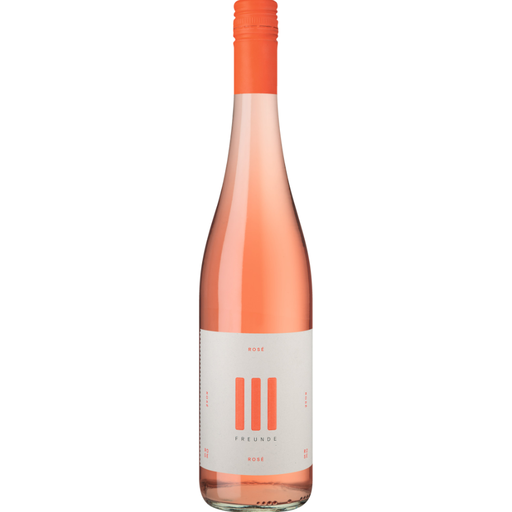
III FRIENDS Rosé QbA dry 0.75l
Why It Stands Out This German rosé wine from Joko Winterscheidt and Matthias Schweigh?fer represents a modern winemaking style. It is berry-forward, fresh, and mineral-driven, without lacking substance. The cuvée of various grape varieties gives it an interesting complexity.
Benefits
Who It's For Ideal for anyone looking for a dry rosé with character. It pairs well with long evenings with friends, light meals, or simply as a refreshing aperitif. A recommendation for trend-conscious drinkers and fans of wines from German growing regions.
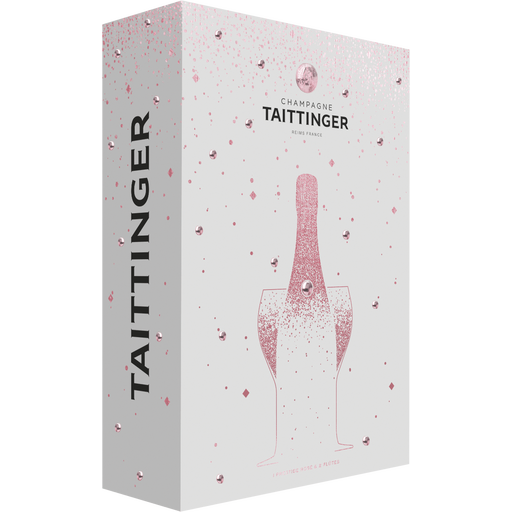
Taittinger Prestige Rosé Champagne & 2 Glasses 0.75 L
Why It Stands Out The Prestige Rosé from Taittinger is a blended Champagne that captivates with its intense colour and fine perlage. On the palate, it reveals a balance between a silky texture and full-bodied fruit notes. The set with two matching glasses makes it a perfect ready-to-go gift.
Benefits
Who It's For This Champagne is the choice for festive occasions such as anniversaries, weddings, or birthdays. It is excellent as an aperitif, with red fruit desserts, or as an exclusive gift for wine connoisseurs.
The world of rosé wine is diverse and offers something for every taste. If you haven't found what you're looking for in our selection or are searching for a specific rosé wine deal, it's worth taking a look at our entire range.
Discover our full selection of Rosé Wine and find the wine that's perfect for you.
Rosé wine is made from red grapes. The crucial difference from red wine production is the duration of contact between the grape juice and the colour-imparting grape skins. For rosé wine, this so-called skin contact time is very short—often just a few hours. The longer the contact, the more intense the colour of the wine. Afterwards, the pink-hued juice is pressed and fermented like a white wine.
Rosé wine is an incredibly versatile food pairing. A dry rosé harmonises well with light appetisers, salads, grilled fish, seafood, and white meat. A sweet rosé pairs excellently with fruity desserts, mild cheese, or even spicier dishes from Asian cuisine, as the sweetness balances the heat.
An opened bottle of rosé wine should be stored tightly sealed in the refrigerator. There, it will maintain its freshness for about 2 to 3 days. After this time, the wine begins to lose its aroma and freshness, even if it is still drinkable. It is recommended to consume it as soon as possible.