Selecting the right ski equipment hinges on an analysis of technical specifications and their suitability for specific use cases. Parameters such as Visible Light Transmission (VLT) in ski goggles or the material composition of ski gloves are crucial for performance and safety on the slopes. This guide focuses on the objective criteria to consider when choosing ski goggles and gloves.
Buyer's Guide: What to Consider in Your Selection
An informed decision requires an understanding of the underlying technologies and materials. The following sections break down the essential features for ski goggles and gloves.
Ski Goggles: Technical Selection Criteria
The primary function of ski goggles or snowboard goggles is to protect the eyes from UV radiation, wind, and precipitation while ensuring optimal vision.
- Lens Technology and VLT (Visible Light Transmission): The VLT percentage indicates how much light the lens allows to pass through. Lower VLT values (e.g., 10–20%) are suitable for sunny conditions, as they let less light through and reduce glare. Higher VLT values (e.g., 60–80%) are designed for overcast days or snowfall, as they enhance contrast in low-light conditions.
- Interchangeable Systems: Modern ski goggles offer systems for quickly swapping lenses to adapt to changing weather conditions. Magnetic ski goggles allow for lens changes in seconds using strong magnets in the frame, which simplifies handling even with gloves on.
- OTG (Over The Glasses) Compatibility: OTG ski goggles are specifically designed for people who wear prescription glasses. They feature a larger internal volume and side cutouts in the foam to comfortably accommodate prescription glasses underneath without causing pressure points.
- Ventilation and Anti-Fog Coating: Effective ventilation combined with an anti-fog coating on the inner lens is fundamental to preventing fogging. Dual-lens constructions create a thermal barrier that reduces the temperature difference between the inside and outside, thus minimising condensation.
Ski Gloves: Material Analysis and Function
The main functions of ski gloves are thermal insulation, protection from moisture, and mechanical durability.
- Insulation: Materials like 3M Thinsulate offer high thermal performance with low bulk. The fine microfibres trap air and reflect body heat, keeping hands warm even in low temperatures without restricting mobility.
- Waterproofing: Waterproof ski gloves typically use a membrane (e.g., made of TPU) placed between the outer material and the insulation. This membrane prevents water from penetrating from the outside while allowing water vapour (sweat) to escape from the inside, ensuring a dry microclimate.
- Outer Material and Reinforcements: The outer layer must be robust. Reinforcements on the palms and fingers, for example made of Kevlar, significantly increase abrasion and cut resistance. This is relevant when coming into contact with ski edges, poles, or rough surfaces.
- Fit and Construction: The choice between ski mittens and fingered gloves is a trade-off between warmth and dexterity. Mittens are warmer because the fingers warm each other, while gloves allow for more precise operation of zips or buckles.
Top Ski Equipment Picks
The following products have been selected based on their technical specifications and functional design.
OutdoorMaster ULTRA Ski Snow Goggles + Lens Bundle
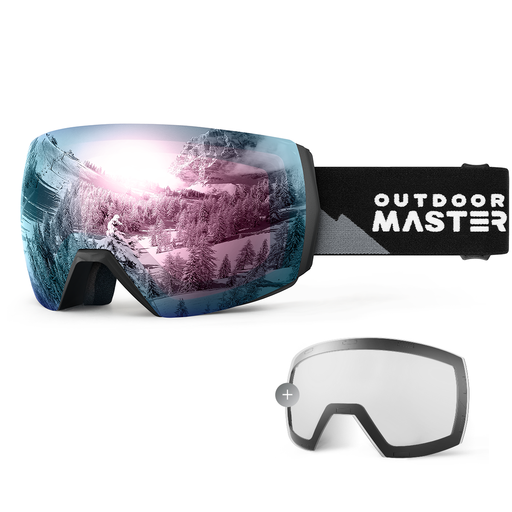
- Why we recommend this product: This model combines advanced lens technology for contrast enhancement with a rapid magnetic interchange system. The included bundle with an extra lens offers flexibility for various light conditions right out of the box.
- Pros:
- UCT & OVP Lens Technology: Engineered to boost contrast and clarity, especially in diffuse light conditions.
- MagKlick Interchange System: The magnetic system allows for lens swaps in a matter of seconds.
- Effective Ventilation: Triple-layer foam and a VS-Treatment coating maximise airflow and anti-fog performance.
- OTG Design: Compatible with most prescription glasses.
- Toric Lens Shape: Provides a wide, peripheral field of view with 100% UV protection.
- Who it's for: For skiers and snowboarders seeking high optical performance and the flexibility of a quick lens change for variable conditions. Also a functional option for glasses wearers.
OutdoorMaster 3M & KEVLAR Waterproof Adults Ski Mittens
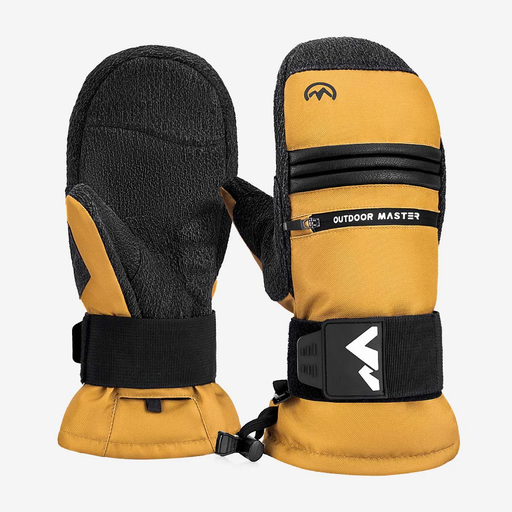
- Why we recommend this product: These unisex ski mittens are distinguished by their robust combination of materials. The Kevlar reinforcement offers high durability, while the 3M Thinsulate insulation and waterproof membrane provide reliable protection against cold and moisture.
- Pros:
- Material Construction: Kevlar-reinforced palm and outer shell for high abrasion resistance.
- Thermal Insulation: 3M Thinsulate insulation ensures heat retention while maintaining breathability.
- Dual Moisture Protection: A waterproof TPU inner membrane is complemented by a water-repellent outer shell.
- Functional Details: The thumb is touchscreen-compatible, a small zipped pocket offers space for small items, and a wrist leash keeps the mittens together.
- Who it's for: For winter sports enthusiasts who need extremely durable and warm waterproof ski mittens for cold conditions and demanding terrain.
OutdoorMaster PRO Ski Goggles PRO
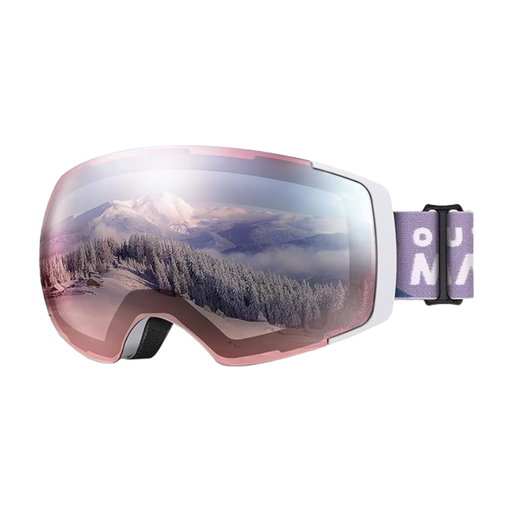
- Why we recommend this product: This goggle's frameless design maximises the field of view and offers clear, unobstructed vision. Compatibility with over 20 separately available interchangeable lenses makes it an adaptable foundation for various light conditions.
- Pros:
- Wide Field of View: The large, frameless spherical lens ensures maximum peripheral vision.
- OTG (Over-The-Glasses) Design: Provides ample space to be worn over prescription glasses.
- Universal Helmet Compatibility: An extra-long elastic strap ensures a secure fit with all common helmet types.
- Customisable System: The interchangeable lens system allows for adaptation to different weather conditions by purchasing specific lenses.
- Who it's for: For budget-conscious skiers and snowboarders, including those who wear glasses, who are looking for a goggle with a very large field of view and the option for future customisation with different interchangeable lenses.
Complementary Winter Sports Equipment
A complete ski setup comprises more than just goggles and gloves. The foundation for comfort and safety on the mountain starts with your feet. An analysis of suitable Men's Outdoor Shoes can lay the groundwork for long days on the slopes by providing stability and protection.
Frequently Asked Questions (FAQ)
1. What does VLT mean for ski goggles? VLT stands for "Visible Light Transmission" and indicates the percentage of visible light that passes through the goggle lens. A low VLT value (e.g., 15%) is suitable for sunny days as it darkens significantly and reduces glare. A high VLT value (e.g., 70%) is intended for low-light conditions like fog or snowfall, as it brightens vision and enhances contrast.
2. Are magnetic ski goggles reliable? Yes, modern magnetic interchange systems use strong neodymium magnets that ensure the lens stays securely in place, even during falls. They are often combined with additional mechanical anchors. The main advantage is the extremely fast and straightforward lens swap, even while wearing gloves.
3. How do I properly care for waterproof ski gloves? For care, hand washing with lukewarm water (below 35°C / 95°F) and mild soap is recommended. Avoid bleach and fabric softeners, as they can damage the waterproof membrane and the water-repellent treatment. The gloves should be air-dried, away from direct heat or sunlight. Machine washing or tumble drying is not recommended.
Written by your Joybuy Product Recommendation Officer


