
Lieferung heute & morgen

Qualitätsgarantie

Willkommens-Angebote freischalten: KOSTENLOSE Lieferung | Bis zu 80 % RABATT | Kostenlose 30-Tage-JoyPlus-Testphase
App herunterladen
The legal requirement for smoke detectors in Germany underscores the importance of fire protection in your own home. In an emergency, a functional smoke detector can provide crucial seconds. However, given the multitude of models and features, the selection process can be complex. This guide is designed to give you clear direction and help you find the right hazard detectors for your living situation—based on objective criteria and without promotional hype.
To make an informed decision, several technical features and standards should be considered. These criteria will help you evaluate the functionality and reliability of a device.
A key distinguishing feature is the power supply. Models with a sealed 10-year smoke detector battery offer a high level of convenience. After installation, no battery change is required for up to a decade. This reduces maintenance and minimises the risk of protection failing due to a dead battery. In contrast, there are models with replaceable batteries, which typically need to be changed annually. These offer more flexibility but also require regular checks.
For smaller apartments or individual rooms, a standard smoke detector may be sufficient. In larger or multi-storey buildings, however, interconnected smoke detectors offer significantly greater protection. These models are wirelessly interlinkable. If one detector in the basement triggers an alarm, the signal is relayed to all other networked devices in the house, ensuring the alarm is clearly audible even in the attic. This ensures all residents are warned in a timely manner, regardless of where the fire originates in the building.
When purchasing a smoke detector, be sure to look for certification according to the European product standard EN 14604. This seal confirms that the device meets the basic requirements for design, performance, and testing procedures.
In addition to fire protection, monitoring for carbon monoxide (CO) is relevant in many households. This odourless and colourless gas is produced during the incomplete combustion of materials and can originate from faulty heating systems, fireplaces, or gas boilers. A conventional fire alarm cannot detect CO. This requires a special carbon monoxide detector (also called a CO detector), which should be certified to the EN 50291 standard.
Based on the criteria mentioned, we have compiled a selection of models that cover different requirements.

Why it stands out: This model focuses on the core function: reliable smoke detection with minimal maintenance. The sealed long-life battery eliminates the need for annual battery changes.
Advantages:
Who is it for? Ideal for tenants and owners of apartments or smaller houses who are looking for a straightforward, compliant solution for individual rooms such as bedrooms, children's rooms, and hallways.
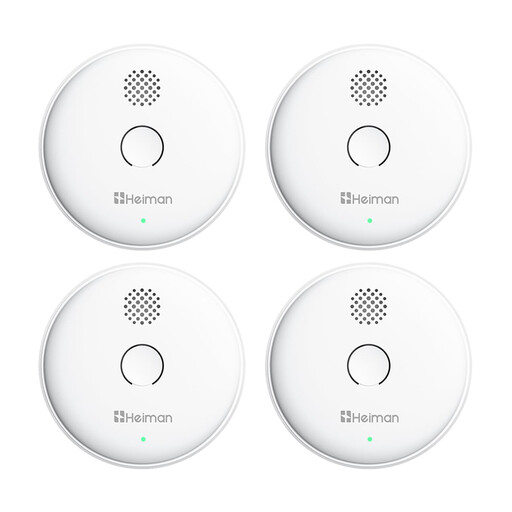
Why it stands out: The strength of this model lies in its interconnectivity. Up to 40 of these interconnected smoke detectors can be wirelessly linked to ensure building-wide alerts.
Advantages:
Who is it for? A great choice for owners of multi-storey single-family homes, large apartments, or for landlords who want to install an integrated alarm system in their properties.
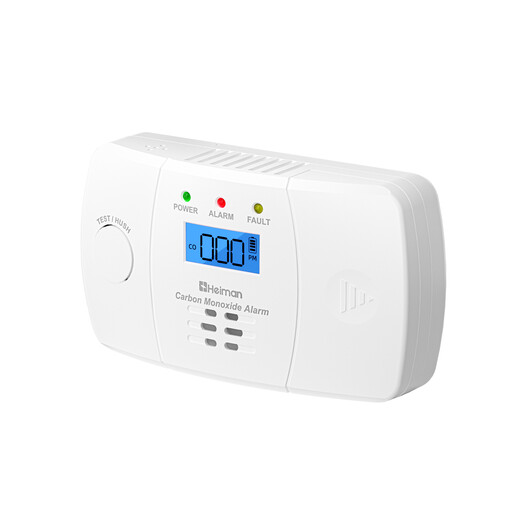
Why it stands out: This detector specialises in the detection of carbon monoxide. The digital LCD display shows the CO concentration in the air in real-time and provides an early warning before dangerous levels are reached.
Advantages:
Who is it for? Essential for all households with potential CO sources such as fireplaces, wood-burning stoves, gas boilers, or a garage adjacent to the living area. It complements the classic smoke detector and closes a critical safety gap.
A reliable hazard detector is only as good as its power source. While many modern devices have sealed long-life batteries, other models or other important household and power tools require regular battery replacements. To ensure all your devices are always ready for use, here is a selection of suitable power sources.
Discover our range of tool batteries
The mandatory smoke detector requirement is regulated in the state building codes of the individual federal states. However, the basic rule for all federal states is that bedrooms and children's rooms, as well as hallways that serve as escape routes, must be equipped with at least one smoke detector. For detailed regulations, you should consult the building code of your federal state.
Maintenance should be performed at least once a year and includes several steps:
No. A standard smoke detector is designed exclusively to detect smoke particles in the air. It cannot detect carbon monoxide (CO). For protection against this invisible and odourless toxic gas, a separate carbon monoxide detector is mandatory. Combination units that detect both hazards are also available, but specialised single-purpose devices often offer more precise detection for their respective danger.