
Lieferung heute & morgen

Qualitätsgarantie

Willkommens-Angebote freischalten: KOSTENLOSE Lieferung | Bis zu 80 % RABATT | Kostenlose 30-Tage-JoyPlus-Testphase
App herunterladen
A torque wrench is a precision tool that should be a staple for any car repair or bicycle maintenance. Applying the correct tightening force to bolts and nuts is not only crucial for the longevity of the components but also for your own safety. However, the market is crowded and confusing, and many products don't live up to their promises. This guide will help you navigate the common pitfalls and find a tool that reliably gets the job done.
Before we dive into the technical details, let's highlight two common problems that often lead to frustration and unnecessary expenses:
To make an informed decision, you should focus on a few critical technical parameters. These will determine whether a torque wrench is suitable for your needs.
The most important factor is the torque range, specified in Newton-metres (Nm). This must match the jobs you plan to do. There is no universal tool for all tasks.
The drive size (specified in inches) determines which sockets you can use:
The technology of the tool has a major impact on its handling and precision.
Here is a selection of tools tailored to specific user profiles and their requirements.
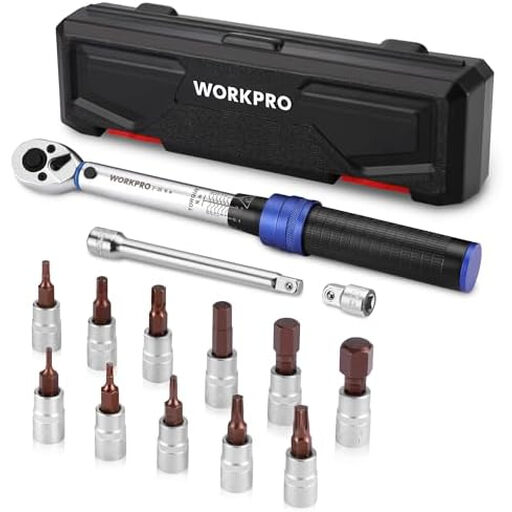
Why This Fits Their Persona: Ideal for DIY enthusiasts who need a reliable tool for bike maintenance or other delicate mechanical jobs without investing a professional's budget. The torque range is perfect for sensitive bolts on carbon and aluminium parts.
The ±3% accuracy is specified and reliable for this application. The distinct "click" and easy-to-read scale prevent adjustment errors.
Comprehensive accessory kit with bits and an extension, all in a practical storage case. The 72-tooth ratchet head allows for work even in tight spaces.
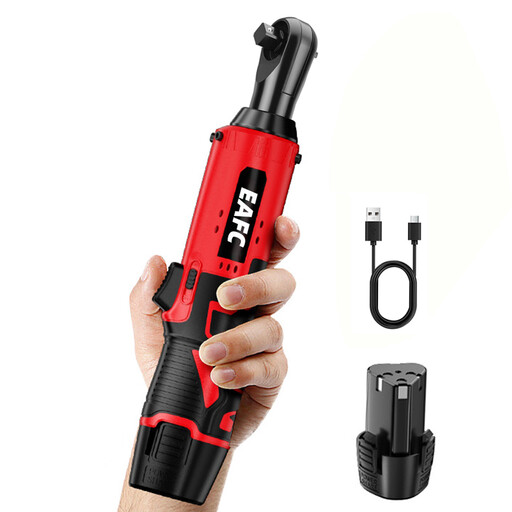
Why This Fits Their Persona: Perfect for mechanics who frequently work in hard-to-reach areas and want to speed up repetitive bolting tasks. Ideal for disassembly and assembly jobs in the engine bay or for furniture assembly.
This tool is clearly positioned as a ratchet wrench, not a precision torque wrench. It solves the problem of slow, manual work without making false promises about accuracy.
The ultra-slim 3 cm head can reach the tightest spots. The variable speed control and low weight of 0.78 kg allow for fatigue-free, precise handling.
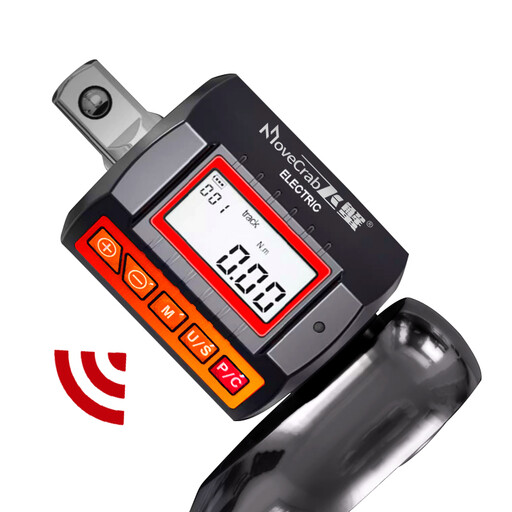
Why This Fits Their Persona: For users who want to upgrade their existing ratchets and value digital precision, repeatability, and documentation. Ideal for engine and chassis work where exact values are critical.
Completely eliminates the risk of hard-to-read scales. The audible and visual alarms signal when the target torque is reached, preventing over-tightening.
High bidirectional accuracy (±2% CW, ±2.5% CCW). Stores up to 1,000 data records and is extremely versatile thanks to the included adapters for 1/4", 3/8", and 1/2" drives.
We have compiled a complete, up-to-date list of products that fully meet these strict selection criteria and safety regulations.
After use, a mechanical torque wrench must always have its tension released. This means turning the adjustment scale back to the lowest value on the scale. Doing so relieves the internal spring responsible for the release mechanism. A spring left under constant tension would fatigue over time, distorting the tool's calibration.
This is strongly discouraged. A torque wrench is a calibrated measuring instrument for precise tightening. Applying high force to loosen seized bolts, especially with jerky movements, can damage the sensitive release mechanism and permanently impair its accuracy. Always use a standard ratchet or a breaker bar for loosening.
A torque wrench is a measuring tool designed to tighten a threaded fastener to an exactly defined force (torque). Its primary function is precision during the final tightening. In contrast, a cordless ratchet wrench is a power tool that speeds up the fastening process. It is used to quickly drive or remove bolts to save time. It is not intended for the final, precise tightening to a specific torque.