People who exercise and fancy a savoury snack
If you’d like to snack on tortilla chips after exercise, the pack size and nutritional information can help you compare varieties and work out portion sizes.


Tortilla chips can make a good savoury snack after exercise. However, the nutritional information for the varieties mentioned here shows that they shouldn’t be treated as a protein-rich meal. Compare the figures per 100 g, choose a portion that suits you and, if you have allergies, check the specific pack.
If you’d like to snack on tortilla chips after exercise, the pack size and nutritional information can help you compare varieties and work out portion sizes.
If you’re planning to eat the chips with a meal, you can consider their protein content separately from that of the rest of your food. The German Nutrition Society notes that recreationally active adults don’t automatically need more protein.
For them, the salt content per 100 g, along with the ingredients and allergen information on the pack they’re actually buying, matters. The flavour name alone isn’t enough to check this.
First, check that the pack size and nutritional values suit the portion you have in mind. Ingredients and allergen information should also factor into your choice of variety.
| What to consider | What to check | Who it matters to |
|---|---|---|
| Pack size | Check the net weight and how much you actually plan to eat. | If you only want a small snack, you may not want to plan to eat more just because the pack is large. For around 42% of consumers, managing the amount in the pack is the main consideration. |
| Snack or meal | Check the protein, energy and fat per 100 g, and consider the chips as part of your overall meal. | After exercise, you don’t want your snack to accidentally replace the meal you’d planned. This is the main concern for around 33% of consumers. |
| Portion, salt and allergens | Check the salt per 100 g, as well as the ingredients and allergen information on the specific pack. | If you’re keeping an eye on your portion or need to avoid certain ingredients, you’ll need information about the variety you’ve chosen rather than assumptions about salted chips in general. This check takes priority for around 25% of consumers. |
Protein claims or chips made from pulses don’t, by themselves, tell you what the overall nutritional values are. The North Rhine-Westphalia Consumer Advice Centre doesn’t consider vegetable and pulse crisps to be healthier than traditional crisps across the board.
Compare the nutritional information per 100 g and decide whether you want a snack to nibble on or an additional protein-rich meal.
Portion sizes can vary from one product to another. According to the German Food Federation, figures per 100 g provide a consistent basis for comparing nutritional values.
Decide how much you want to eat and, if needed, work out the figures for that amount.
For example, Chio Tortillas Salted carries a warning that it may contain wheat. So don’t rely on the variety name alone – check the pack.
If you have allergies, check the ingredients and allergen information on the specific pack before eating.
Chio Tortillas Salted are salted tortilla chips sold in a 110 g pack.
The salted tortilla chips from EDEKA’s own-label range are sold in a 300 g pack.
ALDI SÜD’s salted tortilla chips are described as a 300 g pack.
These two varieties are for anyone who fancies chilli-flavoured tortilla chips after exercise. Alongside flavour, consider the information on the pack and the portion you have in mind.
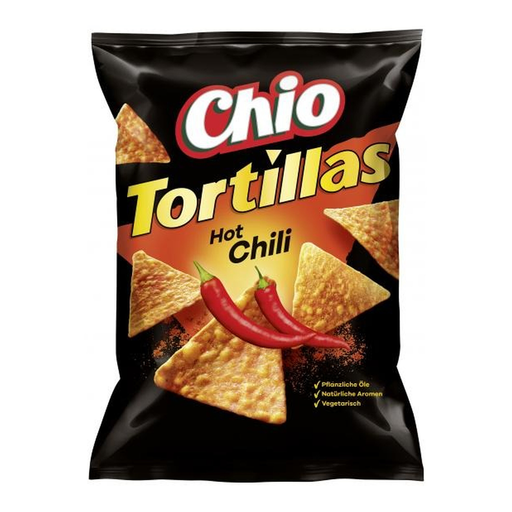 Image unavailable
A good option if you’re looking for tortilla chips with a hot chilli flavour. The pack contains 110 g. Check the nutritional information to work out your portion and, if you have allergies, check the ingredients and may-contain information.
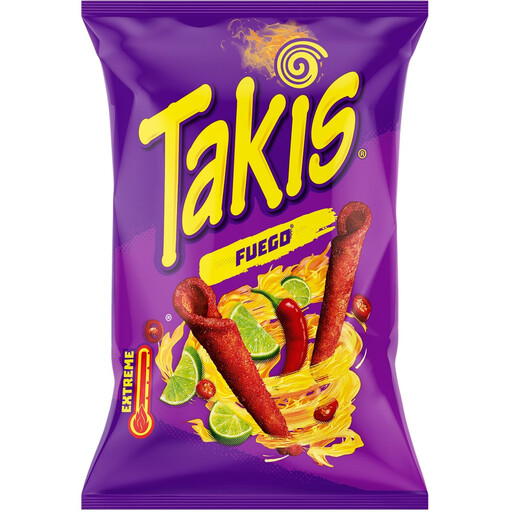 Image unavailable
A good option if you’re specifically looking for a chilli and lime flavour. Before eating, read the nutritional information and, if you have allergies, check the ingredients and may-contain information on the pack.
The tortilla chips mentioned here shouldn’t be treated as a protein-rich meal: the three salted varieties described contain 5.2 to 7.8 g protein per 100 g. The German Nutrition Society also notes that recreationally active adults don’t automatically need more protein. If you’re planning a meal, think of the chips as one part of it.
Compare energy, fat, carbohydrates, protein and salt per 100 g. This keeps the basis for comparison consistent, even when pack sizes and the portions shown on the packaging differ.
No. The flavour doesn’t replace the ingredients and allergen information on the specific pack. For example, Chio says that its Tortillas Salted may contain wheat. Check this information for the variety you’re actually choosing.