A small pack doesn’t make conventional salted tortilla chips a suitable snack for a baby doing baby-led weaning. The Gesund ins Leben network recommends avoiding added salt in complementary foods, and the salted chips considered here contain it. So, when you’re out and about, the priorities are your baby’s readiness for complementary foods, suitable foods to offer and the ingredients in the specific pack – packaging size comes afterwards.
Who is this question relevant to?
Parents of a baby who is ready for complementary foods
If you want your baby to eat independently while you’re out, you need to consider both their individual readiness for complementary foods and the food you plan to offer. The Gesund ins Leben network points out that, with baby-led weaning, nutrient intake depends heavily on what is offered and what the child actually chooses to eat.
Parents who want to avoid added salt
When buying packaged snacks, the ingredients list matters more than a handy portion size. The Gesund ins Leben network recommends avoiding added salt in complementary foods.
Families who need to check ingredients and allergens
The name ‘tortilla chips’ doesn’t tell you which allergens or allergen traces a particular variety may contain. The information on the pack you actually buy is what matters.
What should you consider when packing snacks?
First decide whether the food is suitable for your baby’s complementary feeding stage, then choose a pack that’s easy to take with you.
| What matters |
What to check when buying |
Who it matters most to |
| No added salt |
Check the ingredients list for added salt and look at the salt content per 100 g. |
I don’t want to offer my baby a salted snack as a complementary food. This is the top priority for around 50% of consumers. |
| Suitable food for complementary feeding on the go |
Consider your baby’s individual readiness for complementary foods and what you plan to offer for the meal or snack. |
I want my baby to be able to eat independently when we’re out, without a handy snack replacing a suitable complementary food. This is the main concern for around 30% of consumers. |
| Ingredients and allergens |
Check the current pack for ingredients, highlighted allergens and allergen trace warnings. |
If I need to watch out for certain ingredients, I need reliable information about the variety I’ve chosen, not a general statement about tortilla chips. Around 20% of consumers put this check first. |
Common misconceptions
-
Assuming a small pack is a baby-sized portion
A single-serve pack may be easier to take with you, but it doesn’t change the ingredients or make a salted snack suitable as a complementary food.
Check the food and its ingredients first. Decide on the pack size afterwards.
-
Assuming that corn means a product is suitable for a particular allergy
Chio lists possible wheat content for its Salted Tortillas; EDEKA warns that GUT&GÜNSTIG salted tortilla chips may contain traces of soya. You can’t assume that a product is ‘gluten-free’ or that allergen labelling is the same across the whole category.
Check the ingredients list, highlighted allergens and any allergen trace warnings on the current pack of each variety.
-
Assuming all flavours are the same
Varieties in the same snack category can have different ingredients and nutritional values. EDEKA lists 1.6 g of salt per 100 g for its Hot Chili tortilla chips; Chio lists milk ingredients, among other things, for its Nacho Cheese Tortillas.
Check the salt content, ingredients and allergens for each variety separately rather than assuming they’re the same as another flavour.
Brands to help you choose
These product ranges show which details matter when choosing tortilla chips. Mentioning a brand doesn’t make its snacks suitable as complementary foods.
Chio
Chio makes corn tortilla chips in varieties such as Salted, Hot Chili and Nacho Cheese.
- For its Salted Tortillas, Chio lists the ingredients, possible wheat content and 1.3 g of salt per 100 g.
- Salted contains added salt, so it doesn’t meet the Gesund ins Leben network’s recommendation to avoid added salt in complementary foods. Chio advises checking the pack for the latest information.
EDEKA / GUT&GÜNSTIG
Product-specific information is available for GUT&GÜNSTIG salted and Hot Chili tortilla chips.
- EDEKA lists 0.9 g of salt per 100 g for the salted variety and warns that it may contain traces of soya.
- This variety also contains added salt. EDEKA notes that the information on the pack may differ from its online information.
Lorenz
The product considered here, Crunchips Salted, is a potato crisp, not a tortilla chip.
- Lorenz publishes the ingredients and salt content for Crunchips Salted, listing 1.3 g of salt per 100 g.
- As it contains added salt, this product isn’t suitable for the complementary feeding situation described either. The brand name alone doesn’t tell you whether there’s a tortilla chip alternative.
Snack products at Joybuy
If you’re considering a packaged snack instead of salted tortilla chips, you’ll find a spelt snack bar and millet and strawberry sticks here. Both are different types of product from tortilla chips. Before offering them, check the age recommendation, ingredients and suitability for the occasion on the pack.
 No image available
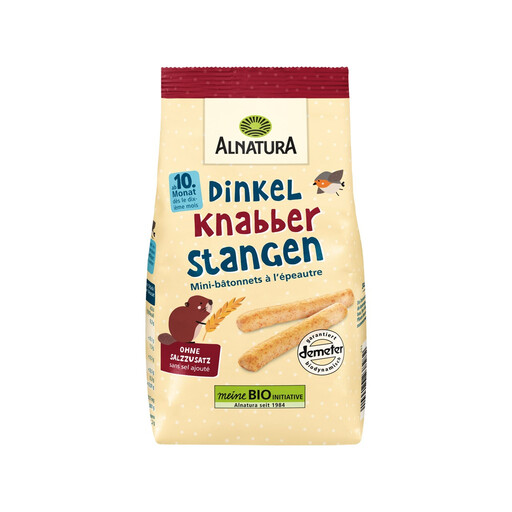
Alnatura Organic Spelt Snack Bars from 10 months, 80 g
For families considering a spelt snack bar to take with them instead of tortilla chips. The product name specifies that it’s for children from 10 months and contains 80 g; check the ingredients and whether the pack suits the portion size you have in mind.
View at Joybuy
 No image available
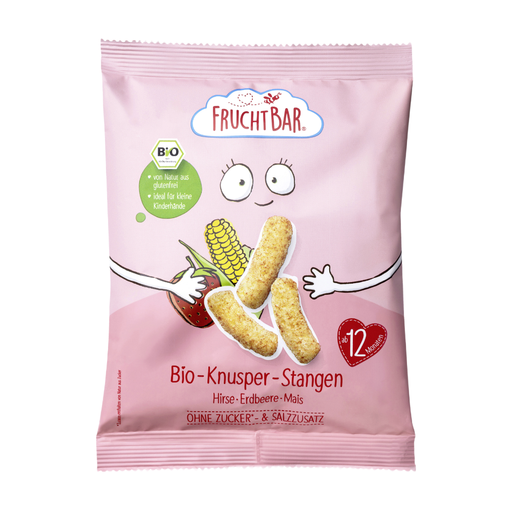
FruchtBar Organic Crispy Sticks Millet & Strawberry, 30 g
For families looking for a packaged stick-shaped snack instead of tortilla chips. The product name lists millet, strawberry and a pack size of 30 g; before offering it, check the age recommendation, ingredients and information on the pack.
View at Joybuy
Frequently asked questions
Can I give my baby salted tortilla chips as part of baby-led weaning?
Conventional salted tortilla chips aren’t a suitable choice for this purpose. The Gesund ins Leben network recommends avoiding added salt in complementary foods, while the salted varieties considered here contain salt.
When is a baby ready for solid complementary foods?
Along with their age, you should look for your baby’s individual signs of readiness. The Gesund ins Leben network recommends introducing complementary foods no earlier than the start of the fifth month and no later than the start of the seventh month. Signs of readiness include being able to control their head, sit upright with support and bring things to their mouth themselves.
Do tortilla chips always contain gluten?
No. You can’t tell whether a particular variety contains gluten from the product category alone. Chio warns that its Salted Tortillas may contain wheat; check the ingredients list, highlighted allergens and allergen trace warnings on every pack.
Does a small single-serve pack make tortilla chips more suitable as a complementary food?
No, the portion size doesn’t change the ingredients. Salted tortilla chips still contain added salt, even in a small pack. So assess the food first, then consider whether the pack format is convenient for taking out and about.


