Picnic guests with coeliac disease
An explicit gluten-free label is essential for them. Being made with corn or carrying a vegan claim is no substitute; always check the current packaging.


If someone with coeliac disease is joining your summer picnic, choose a snack explicitly labelled gluten-free rather than assuming tortilla chips are suitable simply because they’re made with corn. If someone has a milk or soya allergy, a gluten-free label is no more sufficient than a vegan claim: check the ingredients and any relevant precautionary allergen information on the current packaging.
An explicit gluten-free label is essential for them. Being made with corn or carrying a vegan claim is no substitute; always check the current packaging.
Check the ingredients and any precautionary allergen information that matters to your guests separately from any gluten-free claim.
If you’re looking for crisps to share and dip, a lightly salted option may be worth considering. The ingredients and allergen information still matter if any guests need to avoid particular foods.
First, establish which ingredients or allergens your guests need to avoid. Then choose a flavour and snack style; one label alone won’t answer every question about suitability.
| What to consider | What to check when buying | Who it matters most to |
|---|---|---|
| Gluten-free labelling | Look for an explicit gluten-free claim and check the information on the current packaging; corn as an ingredient isn’t enough. | If a guest with coeliac disease is joining us, I don’t want to rely on the fact that the snack is made with corn. For around 42% of consumers, an explicit gluten-free label would be the main reason to buy. |
| Milk, soya and traces | Check the ingredients and any precautionary allergen information relevant to your guests against the foods they need to avoid. | If someone has a milk or soya allergy, I need to check for that specific allergen, even if the snack is labelled gluten-free. Avoiding one particular allergen would be the priority for approximately 33% of consumers. |
| Plant-based options and seasoning | Check for vegan and, where relevant, lactose-free claims; choose between lightly salted and flavoured options. | For a mixed group, I want to offer a plant-based snack with a seasoning that goes well with the dips we’re serving. Around 25% of consumers would put suitability for the whole group first. |
Corn as the main ingredient doesn’t mean a product is labelled gluten-free. For example, Chio says its Tortillas Salted may contain wheat.
If you need an explicit gluten-free claim, look specifically for one and check the current packaging.
A vegan claim doesn’t tell you whether a product contains gluten or may contain traces of other allergens. Chio Tortillas Nacho Cheese, for example, explicitly lists milk ingredients.
Check the dietary claims, ingredients and relevant precautionary allergen information against your guests’ requirements.
According to the German Food Federation, a precautionary allergen statement doesn’t mean the named allergen must actually be present, but it also can’t rule out accidental cross-contamination.
Take this information into account when choosing food for guests with allergies, and follow their individual advice.
The recipe and labelling on the packaging may differ from product information you’ve read previously. EDEKA explicitly warns that its product information may differ.
Check the packaging again before buying, especially if an allergen needs to be avoided.
REWE explicitly labels this range’s organic corn and quinoa bites as gluten-free. They’re corn and quinoa bites, not tortilla chips.
The organic Tortilla Rolls Meersalz listed by REWE are labelled gluten-free, lactose-free and vegan.
The salted tortilla chips at EDEKA may suit groups where avoiding soya isn’t essential.
Ingredients and allergen information vary between Chio’s tortilla flavours.
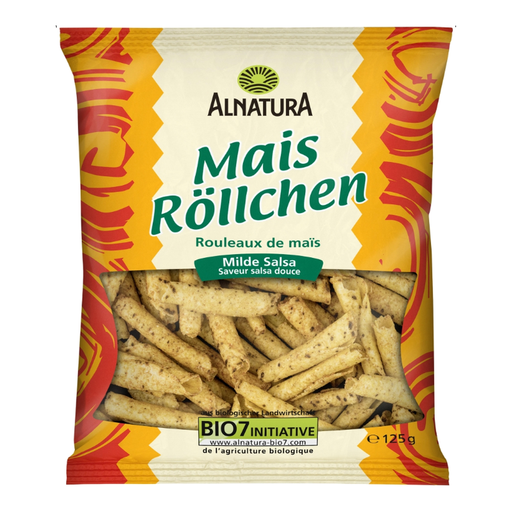
These corn rolls are a similar corn-based snack option for a picnic with dips, rather than a product explicitly described as tortilla chips. If gluten or soya needs to be avoided, check the information on the current packaging to decide whether they’re suitable.
 No image available
These mildly seasoned corn rolls are an alternative to tortilla chips for a picnic with dips. If you have coeliac disease, only choose them if the current packaging explicitly states that they’re gluten-free; if you have a soya allergy, check for any precautionary allergen information.
No. Being made with corn doesn’t mean a product is labelled gluten-free. Chio Tortillas Salted, for example, may contain wheat; if you have coeliac disease, look for an explicit gluten-free claim on the current packaging.
A vegan claim alone isn’t enough to decide. Check the current ingredients list and any relevant precautionary allergen information. The Heimatgut Tortilla Rolls listed as vegan are a different product from Chio Tortillas Nacho Cheese, which contains milk ingredients.
It doesn’t mean the product definitely contains soya, but it does indicate that accidental contamination is possible. Whether it’s suitable for someone with a soya allergy depends on their individual requirements.
Online information is useful for narrowing down your options, but check the packaging before making your final decision. EDEKA warns that its online product information may differ from what’s on the packaging.