
Lieferung heute & morgen

Qualitätsgarantie

Willkommens-Angebote freischalten: KOSTENLOSE Lieferung | Bis zu 80 % RABATT | Kostenlose 30-Tage-JoyPlus-Testphase
App herunterladen
The selection of toy aeroplanes is vast, ranging from simple models for toddlers to complex kits for hobby model builders. But not every product lives up to the promises on its packaging. Before you make a decision that could lead to frustration in the playroom or unnecessary expense, it's helpful to know some common pitfalls. This guide will show you what to look for to find the right toy aeroplane for your needs.
Many buyers report similar issues that can quickly spoil the fun. If you keep these three points in mind, you'll be well-prepared.
To avoid the problems mentioned above, you should check three core aspects before buying. These objective parameters will help you realistically assess a product's quality and suitability.
A toy's durability depends directly on its material.
The manufacturer's age recommendation is more than just a number. It provides an important indication of the required level of fine motor skills, concentration, and cognitive understanding.
Check exactly what's included in the set to avoid later disappointment.
Here are some models tailored to different needs and age groups that meet the criteria mentioned above.
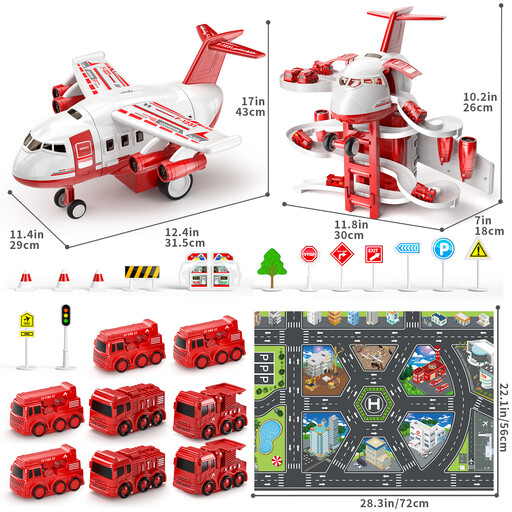
Why this model is a great fit: This toy combines a large, sturdy transport plane with eight small vehicles. It's designed for small hands and encourages a variety of role-playing scenarios with its loading function and included cars, without being overwhelming with complex electronics.
The robust plastic material is designed to withstand the typical wear and tear of toddler play. The complexity is intentionally low to prevent frustration and keep the focus on free, imaginative play.
As a 2-in-1 toy (aeroplane and car transporter), it offers high play value and promotes motor skills through loading and unloading the vehicles.
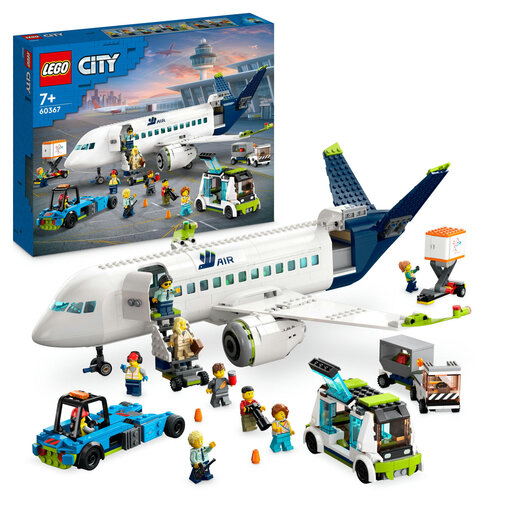
Why this model is a great fit: This set is more than just a LEGO aeroplane; it's a complete airport playset. It combines the fun of building with countless opportunities for role-playing scenarios themed around air travel, including ground crew, passengers, and various airport vehicles.
The proven quality of LEGO's ABS plastic ensures durability. The clear age recommendation (7+) and detailed instructions ensure that the build is a positive challenge, not a frustrating one.
A comprehensive set with 9 minifigures and plenty of accessories (jet bridge, pushback tug, catering truck) that offers high and long-lasting play value.
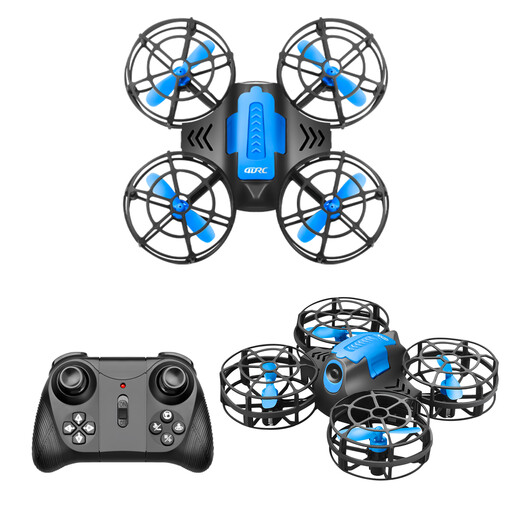
Why this model is a great fit: This mini-drone is designed as a drone for beginners. Features like automatic altitude hold, one-key takeoff/landing, and headless mode remove the biggest hurdles for newcomers learning to fly. The propeller guards minimise the risk of damage during collisions.
The set includes two batteries, which doubles the effective flight time and reduces the frustration of short play intervals. The sturdy propeller guards prevent the most common defect in beginner drones—broken rotor blades.
Very beginner-friendly controls thanks to technical aids that allow for quick success and significantly flatten the learning curve.
We have compiled a complete, up-to-date list of products that fully meet these strict selection criteria and European safety regulations.
1. What should I look for in a remote-controlled aeroplane for beginners? For beginners, a model made of flexible EPP foam is recommended as it can better withstand crashes. An integrated stabilisation system (gyro) is crucial for keeping the plane steady in the air. Also, pay attention to the scope of delivery: two batteries are ideal for extending flight time, and the availability of spare propellers is a plus.
2. From what age are interlocking brick aeroplanes like LEGO's a good idea? It largely depends on the specific set. LEGO offers models for children as young as 2 with its DUPLO series. The LEGO City 4+ range is aimed at preschoolers and uses larger components. Standard LEGO City or Creator sets are usually suitable for children aged 6 or 7 and up, while LEGO Technic models with complex mechanics are often recommended for ages 9 or older. Always check the age recommendation on the box.
3. What is the advantage of a complete airport playset over a single aeroplane model? A single aeroplane model is ideal for building and display. A complete airport playset, like the LEGO City Passenger Aeroplane, offers an entire world of play. With additional vehicles (pushback tug, baggage cart), building sections (terminal, tower), and minifigures (pilots, ground crew, passengers), children can act out complex scenarios. This promotes creativity, social role-playing, and provides a much more lasting incentive to play.