
Lieferung heute & morgen

Qualitätsgarantie

Willkommens-Angebote freischalten: KOSTENLOSE Lieferung | Bis zu 80 % RABATT | Kostenlose 30-Tage-JoyPlus-Testphase
App herunterladen
A toy aeroplane for children can combine building, role play and early experiences with technology. But choosing one can be confusing: product pages often use terms such as ‘sturdy’, ‘easy’ or ‘suitable for beginners’ without making it clear what features are actually included. Before buying, parents, grandparents and other family members should check for a few common pitfalls.
A toy aeroplane for children aged 4+ may be suitable for one child, while a complex aeroplane building set could be too challenging, even if it has a similar theme. It’s not just the age recommendation that matters: consider the number of pieces, their size and the level of fine motor skills required.
If a set contains small parts, there is a risk of choking. LEGO City aeroplanes come with product information that specifically highlights small parts. You should therefore follow the age recommendation. Younger children should also be supervised while building.
A remote-controlled aeroplane or drone for children needs space, practice and regular charging. Features such as altitude hold or one-key take-off can make it easier to get started, but they don’t replace supervision. Indoors, furniture, pets and people could be damaged or injured, especially.
Flight-time claims don’t automatically mean longer playtime, either. Batteries need charging, remote controls need batteries, and actual running time depends on how and where the toy is used.
A large toy passenger aeroplane may be highly detailed, but it needs enough room for play and storage. Before buying, compare the model’s dimensions with the shelf, play table or area of the child’s bedroom where you plan to keep it. Remote-controlled models also need extra clearance from walls and people.
First, check whether the product suits the child’s age and the way they like to play:
For plastic models, check the information about the main material, moving parts and potential damage. ABS plastic is listed as the main material for several LEGO sets. For a push-along or snap-together toy, check that the landing gear, wings and cockpit are securely fitted.
For drones, practical considerations include propeller guards, battery type and the availability of spare parts. Electronic products must not be immersed in water. Batteries should be charged according to the instructions and must not be used if visibly damaged.
An indoor model is not automatically suitable for outdoor use. The FACEGLE FX-41B product description specifies indoor use only and recommends supervision. For products described as RC drones for children, also check the remote-control range, flight time, battery type and take-off function.
In Germany, the toy must be used in accordance with the manufacturer’s instructions and local safety rules. This is particularly important for flying toys with rotating propellers.
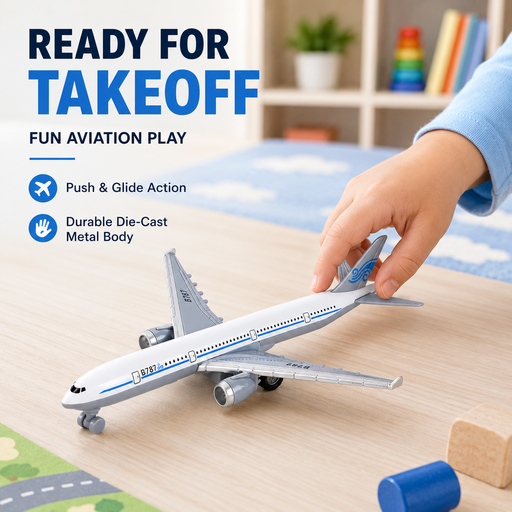
Why this product suits this profile: This single push-along aeroplane is easy to use and encourages imaginative play, with no building or remote control required.
There’s no battery or remote control to look after, which helps keep ongoing costs and technical barriers to a minimum.
One pack, push-along operation and a die-cast-style design.
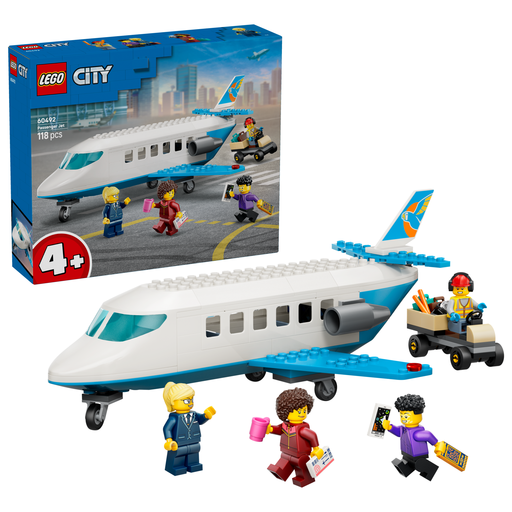
Why this product suits this profile: This set is designed for children aged 4+ and combines an accessible build with passenger and airport play scenarios.
The product details specify 118 pieces, a starter brick and illustrated instructions, making it easier to get started than with larger building sets.
Four minifigures, a luggage trolley, and access to the cabin and cockpit.
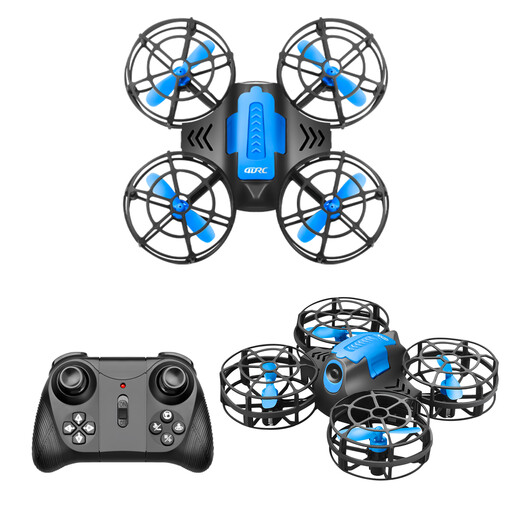
Why this product suits this profile: For families planning to introduce children to remote-controlled flying, this model offers features such as altitude hold and two batteries.
The product details give an approximate flight time of 12 minutes, a range of around 100 metres and specific battery requirements.
Two modular batteries, Headless Mode and a 2.4 GHz remote control.
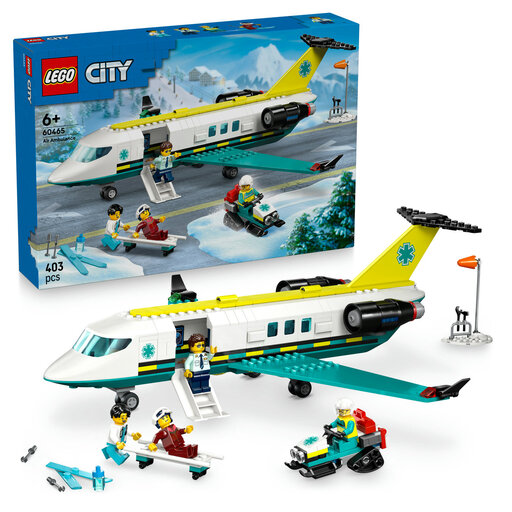
Why this product suits this profile: This rescue aeroplane combines building, figures and emergency scenarios for children aged 6+.
Rather than focusing solely on appearance, the set includes specific play features such as a fold-out ramp and a medical lab.
403 building bricks, four minifigures, a snowmobile and an airport scene.
We’ve put together a complete, regularly updated list of products that meet these strict selection criteria and the safety regulations in force across the EU.
For children aged 4+, simple push-along aeroplanes or age-appropriate sets with a few clearly explained building steps are good options. LEGO City 60492 is listed as having 118 pieces, a starter brick and four minifigures. Small parts should still be kept out of reach of younger siblings.
There’s no one-size-fits-all answer. It depends on battery care, crashes, storage and the availability of spare parts. Check the propellers, body, connections and battery before every flight. Replace any damaged parts before using the toy again.
As well as the purchase price, you may need to pay for batteries, replacement propellers and extra rechargeable batteries. The 4DRC Mini Drone is listed with two modular batteries; its remote control needs three size 5 batteries. For indoor models such as the FACEGLE FX-41B, be sure to follow the usage instructions, check charging times and use it only indoors.