
Lieferung heute & morgen

Qualitätsgarantie

Willkommens-Angebote freischalten: KOSTENLOSE Lieferung | Bis zu 80 % RABATT | Kostenlose 30-Tage-JoyPlus-Testphase
App herunterladen
The selection of toy airplanes is vast, ranging from simple push-along models for toddlers to complex construction kits. But not every model that looks impressive at first glance lives up to its promise in the playroom. Many gift-givers invest in products that either break quickly or are left unused in a corner after a short time. This guide will help you recognise common pitfalls and make an informed decision.
As your Joybuy Product Recommendation Officer, I'll filter the essential information for you, so you can find a product that delivers lasting enjoyment.
Before you decide on a model, you should be aware of three common flaws that often lead to disappointment.
To avoid a bad purchase, focus on these three objective features that determine the play value and longevity of a toy airplane.
Safety and fun are directly linked to how well the toy is suited for the age group.
Consider what type of activity the child prefers.
An airplane with light and sound can be an enhancement if the effects are well-integrated. Look for varied sounds (e.g., engines, announcements) and lighting that supports the play (e.g., landing lights, cabin lights). Functions like a water-dumping feature on a firefighting plane or convertible elements offer a clear gameplay advantage over mere gimmicks.
Here are some recommendations tailored to different play styles and age groups.
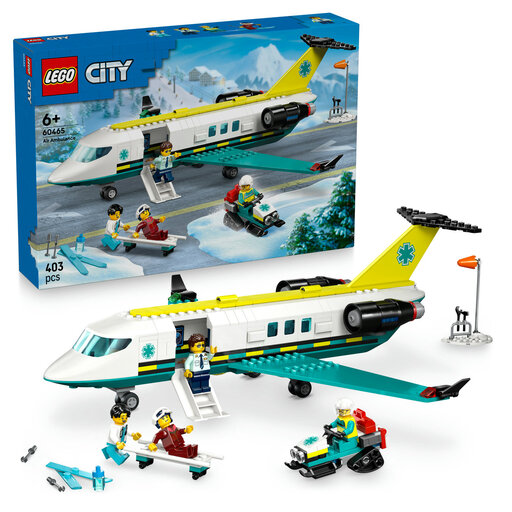
Why It's a Great Fit: It combines the fun of building with a popular role-playing theme (rescue missions). The set promotes following instructions and inspires imaginative stories after assembly.
LEGO's high-quality ABS plastic is known for its durability and can withstand intense play. The features are well-designed and enhance the play experience, rather than just being gimmicks.
Includes 4 minifigures and accessories like a stretcher and a snowmobile, creating a comprehensive playset for rescue missions.
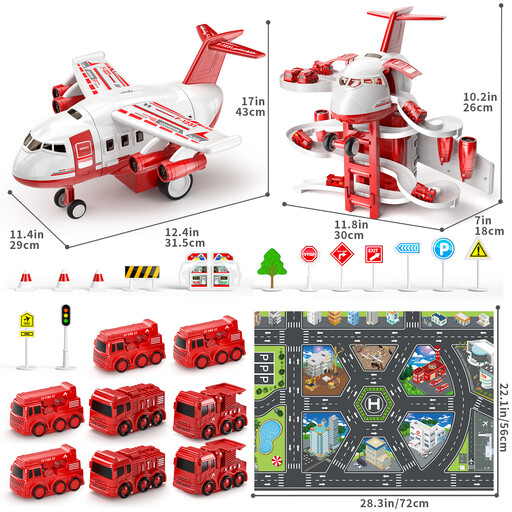
Why It's a Great Fit: This set is a complete play universe. It combines a large airplane that doubles as a garage with vehicles and a play mat. Ideal for children who love to invent stories and combine different toys.
The sturdy construction is designed for younger children. The light and sound effects are easy to operate and themed to the play. Its multi-functionality (garage, race track) prevents boredom.
2-in-1 Function: The fuselage opens up to become a two-level slide for the included cars, providing extra and long-lasting fun.

Why It's a Great Fit: This model is specifically designed for entry-level users. It offers technical assistance that helps beginners learn to fly quickly without immediate frustration.
The flexible foam material is more forgiving of crashes than hard plastic. The gyro system is a genuine technical aid, not an empty marketing promise, which minimises frustration during the first flight attempts.
The integrated gyro stabilisation system automatically corrects the flight attitude, making it significantly easier to control. Two included batteries double the flight time.
We have compiled a complete, up-to-date list of products that fully meet these strict selection criteria and rigorous safety standards.
1. What should I look for in a remote-controlled airplane for kids? For beginners, a model made of a robust and flexible material like EPP foam is recommended, as it can better withstand crashes. An integrated gyro stabilisation system is very helpful as it keeps the plane stable in the air and makes it easier to control. Also, pay attention to the remote control's range and the battery life. Models with two batteries offer longer flight time.
2. From what age are LEGO airplanes suitable? LEGO offers suitable models for every age group. For toddlers aged 1.5 and up, there's LEGO Duplo with large, easy-to-grip bricks. The LEGO City series is usually aimed at children aged 4 or 5 and up, offering a good balance between the building experience and play value. More complex sets from the LEGO Technic range are often intended for children aged 8 or 10 and up, focusing on mechanical functions. Always check the manufacturer's age recommendation on the packaging.
3. How do I clean a toy airplane with electronics (light and sound)? Never submerge such a toy in water. To clean the exterior surfaces, use a soft, slightly damp cloth. Avoid getting moisture into the battery compartment or other openings. Also, read the manufacturer's care instructions to avoid damaging the electronics.