
Lieferung heute & morgen

Qualitätsgarantie

Willkommens-Angebote freischalten: KOSTENLOSE Lieferung | Bis zu 80 % RABATT | Kostenlose 30-Tage-JoyPlus-Testphase
App herunterladen
A toy airplane can spark the imagination and keep children engaged for hours. But the selection is vast, and not every model lives up to its promises. As a Joybuy Product Recommendation Officer, I'll help you navigate the common pitfalls and make an informed decision that ensures long-lasting fun.
Before you choose a model, you should be aware of the most common issues that often only become apparent after unboxing.
To avoid a bad purchase, focus on three objective features that determine the quality and play value of a toy airplane.
A durable toy is made from high-quality materials. Look for designations like ABS plastic, which is known for its longevity and resistance to breaking. The most important feature for the European market is the CE marking. This seal confirms that the product complies with applicable EU safety standards, such as those for non-toxic materials and mechanical safety. Especially for toys intended for children under three, it is essential to look for securely attached parts with no risk of detachment.
The range of features should match the child's age and interests.
A good toy offers more than just one function. Models that can be transformed, are part of a larger play system (like with LEGO or PLAYMOBIL), or allow for realistic scenarios capture the imagination more effectively in the long run than a toy with a single electronic gimmick. Modular kits, where parts can be recombined, also foster creativity and problem-solving skills.
Here are some recommendations tailored to different play styles and age groups, all of which meet the criteria mentioned above.
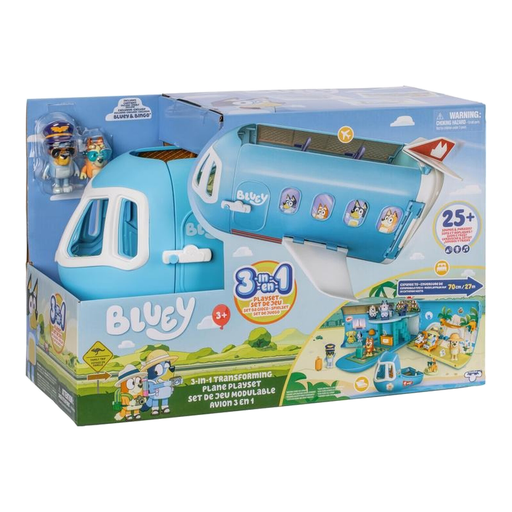
Why It's a Great Fit: Perfect for fans of the show *Bluey*. It's more than just a plane—it transforms into a hotel and a beach club, offering varied play scenarios for younger children.
The 3-in-1 function prevents boredom. The 25+ sound effects are taken directly from the show, making them relevant to fans and not just generic noises.
High play value through transformation; promotes narrative play with the included figures.
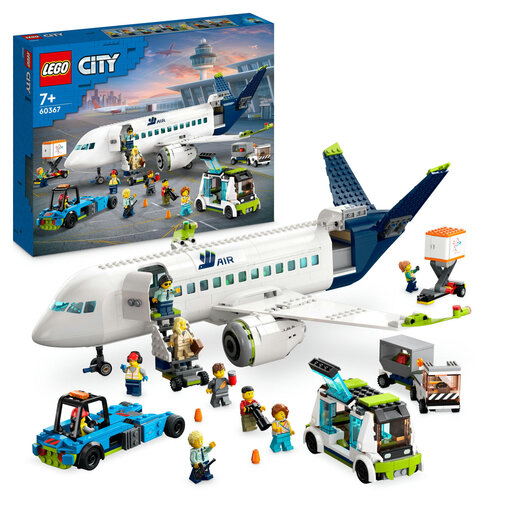
Why It's a Great Fit: A classic airplane building kit for children who love to build and re-enact detailed scenarios. The set includes not only the airplane but also airport vehicles and staff.
The value lies in the building process and the subsequent role-play. Its complexity is age-appropriate and promotes concentration, rather than dazzling with short-lived effects.
Develops fine motor skills and spatial reasoning; fully compatible with the LEGO City world for expandable fun.
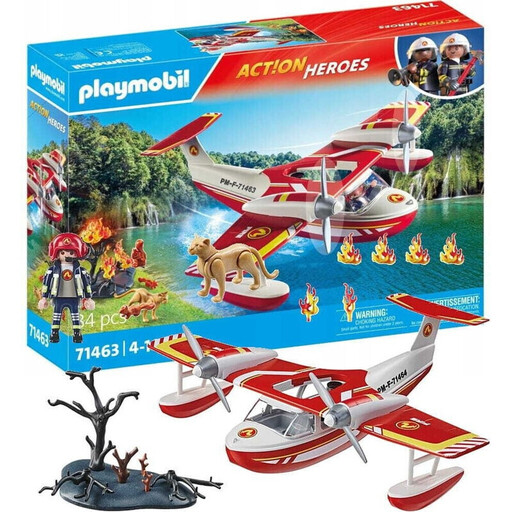
Why It's a Great Fit: Perfect for children who are fascinated by firefighting and rescue missions. This rescue plane toy has a specific, exciting function that enriches role-play.
The water-drop function is a mechanical, interactive feature that encourages active play, rather than being just a passive electronic effect. The toy also floats.
Promotes imaginative play around the theme of helping and rescuing; the durable PLAYMOBIL quality ensures longevity.
We have compiled a complete, up-to-date list of products that fully meet these strict selection criteria and European safety regulations.
What is important in a remote-controlled airplane for beginners? For newcomers to the world of RC airplanes, three features are particularly helpful: an integrated gyro stabilisation system that automatically corrects the plane during gusts of wind or control errors, a robust and flexible material like EPP foam that forgives minor crashes, and multiple adjustable speed settings to start flying slowly.
From what age is an airplane building kit suitable for children? This largely depends on the system. Simple plug-in systems or large building blocks are suitable for children as young as 4. Classic LEGO City or PLAYMOBIL kits are usually aimed at children aged 5-7. More complex systems like LEGO Technic or highly detailed model kits are intended for children aged 8-10 and older, as they require more patience, fine motor skills, and abstract thinking.
How can I identify a safe toy airplane? The most important formal criterion is the CE marking on the packaging. Additionally, check the toy for sturdy construction with no sharp edges. For toys intended for children under 36 months, there must be no small parts that could detach and be swallowed. Ensure that battery compartments are securely screwed shut.