
Lieferung heute & morgen

Qualitätsgarantie

Willkommens-Angebote freischalten: KOSTENLOSE Lieferung | Bis zu 80 % RABATT | Kostenlose 30-Tage-JoyPlus-Testphase
App herunterladen
The selection of Toy Animals is vast, ranging from simple farm animals for toddlers to complex construction sets of prehistoric creatures. However, this variety can also be overwhelming, leading to purchasing decisions that later prove to be a poor fit. Many products overpromise and underdeliver, resulting in disappointment in the playroom.
This guide will help you identify the most common pitfalls and make an informed decision. We focus on objective criteria to ensure the toy you choose is durable, safe, and educationally valuable.
Before you choose a gift for young animal lovers, you should be aware of these common issues that often only become apparent after the purchase:
To avoid these pitfalls, you should focus on three essential product features. These will help you objectively assess a toy's quality and play value.
A child's safety is the top priority. A key indicator of compliance with EU safety standards is the CE mark. Also, pay attention to the manufacturer's material specifications. Renowned brands like LEGO, for example, use high-quality, robust ABS plastic. With Schleich animals, the emphasis is on durable plastic and detailed painting that can withstand intensive play. Check if the material is free from harmful plasticisers (phthalates), especially for toys intended for younger children.
Good educational animal toys support a child's development on multiple levels. We can distinguish between two main concepts:
The toy's complexity must match the child's developmental stage.
Based on the criteria above, we have identified some products that are well-suited for different needs and age groups.
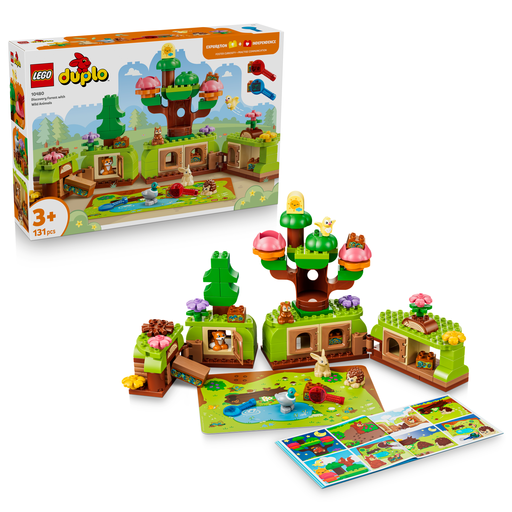
Why This Fits Their Persona: Large, easy-to-grip pieces and a robust design are ideal for small hands. The set encourages early role-playing and animal recognition in a safe play environment.
Avoids the "misleading age rating" trap, as it is specifically designed, according to the manufacturer, for the motor and cognitive skills of toddlers aged 3 and up.
Promotes fine motor skills and an initial understanding of animal habitats with the included playmat and various animal figures (fox, duck, hedgehog, etc.).
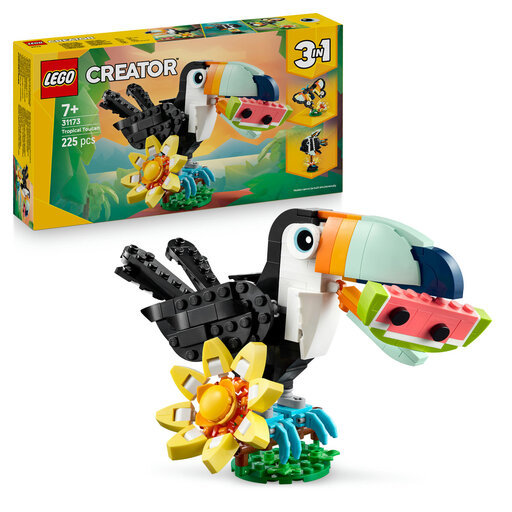
Why This Fits Their Persona: Offers long-lasting fun with its 3-in-1 building option, encouraging children to create new models again and again and expand their building skills.
Counteracts "limited play incentive." Three completely different, posable models (toucan, butterfly, fish) can be built from one set.
High replay value and promotes spatial reasoning. The finished models, with their included stands, also make great decorations for a child's room.

Why This Fits Their Persona: Ideal for children who appreciate detailed, realistic replicas and enjoy building themed collections of wild animals, farm animals, or dinosaurs.
Bypasses the "poor material quality" trap by using high-quality, durable plastic and detailed surface texturing, which is designed for long-lasting play, according to the manufacturer.
The high level of detail and robust construction allow for realistic play and make the figure a treasured collector's item.
We have compiled a comprehensive, up-to-date list of products that fully meet these strict selection criteria and EU safety regulations.
Look for the CE mark, which confirms conformity with EU safety standards. Check the manufacturer's age recommendation and, for children under three, avoid toys with small parts due to the choking hazard. Sturdy materials without sharp edges or corners are also a key criterion for safe play.
Most hard plastic animal figures (like Schleich animals or LEGO animals) can be easily cleaned with lukewarm water and mild soap. Afterwards, they should be left to air dry. Avoid harsh cleaning agents or putting them in the dishwasher, as this can damage the paint and material.
Dinosaur toys are available for various age groups. For children aged 3 and up, larger, robust figures without small, swallowable parts are suitable. More complex construction sets or detailed collectible figures are often intended for children aged 6 to 8, who are developing a deeper interest in the prehistoric world and have more advanced fine motor skills.