
Lieferung heute & morgen

Qualitätsgarantie

Willkommens-Angebote freischalten: KOSTENLOSE Lieferung | Bis zu 80 % RABATT | Kostenlose 30-Tage-JoyPlus-Testphase
App herunterladen
A toy boat promises adventure in the bathtub, paddling pool, or at the lake. But the joy can quickly fade if the new boat capsizes, springs a leak, or is made from materials that can't withstand the action. Many products advertise features that fail in practice, leading to disappointment.
Before you make a purchase, it's helpful to know the most common pitfalls. The problem often isn't the price, but rather details that are easily overlooked. These include leaky designs that lead to mould, or materials that break on the first impact. Another issue is mismatched complexity, which can either frustrate toddlers or bore older children. This guide will help you navigate these problems and find the perfect model.
To find a durable and safe toy boat, you should check three key parameters. These will help you objectively assess a model's quality, regardless of marketing claims.
The claim "floats" doesn't guarantee a boat is suitable for long-term use in water. Pay attention to the following points:
The manufacturer's age recommendation is a key indicator. A boat for the bathtub for a toddler should be simple, sturdy, and free of small parts that could be swallowed. For older children, more complex systems are available:
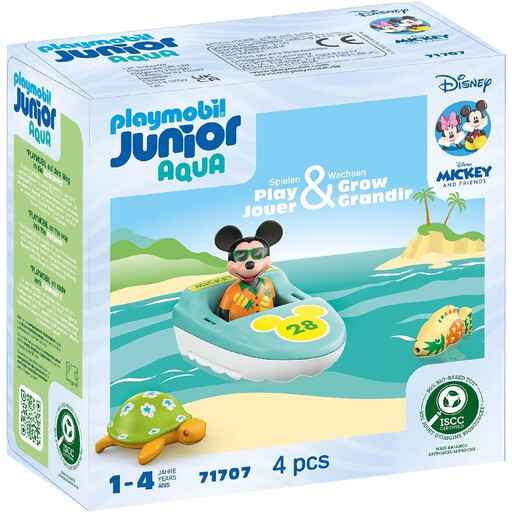
Why this model is a great fit: Ideal for toddlers from 12 months who are having their first experiences with water toys. The size and shape are specially designed for small hands and promote fine motor skills.
The set is explicitly designed as a bath toy. It contains no small parts that can be swallowed and has rounded edges, minimising safety risks for toddlers. According to the manufacturer, it is made from over 90% bio-based plastic.
Promotes the development of fine motor skills and is durable thanks to robust, easy-to-clean materials. The boat is buoyant and optimised for use in the bathtub.
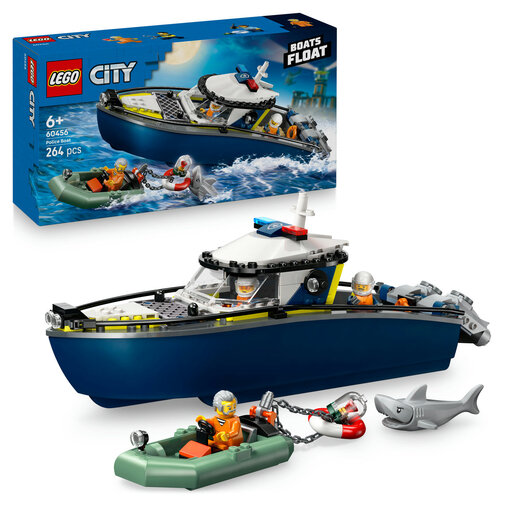
Why this model is a great fit: Perfect for children aged 6 and up who enjoy building and then acting out action-packed stories. The set combines the creative building process with an interactive play experience in the water.
This LEGO boat is explicitly designed as a buoyant water toy. It avoids the disappointment of being a display-only model and offers long-lasting play appeal through the combination of a police boat and a crook's speedboat.
Combines building, role-playing, and real water fun. The included minifigures and accessories allow for diverse play scenarios that go beyond a simple boat.
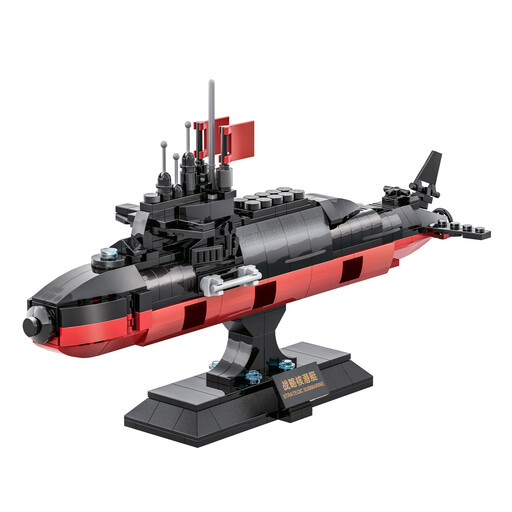
Why this model is a great fit: This set is aimed at teens and adults who enjoy the detailed construction of technical models. It's less of a toy and more of a building project with collector's value.
This submarine toy is clearly positioned as a model kit for collectors and hobby builders. It doesn't create the false impression of being a simple water toy, instead meeting the expectations for a complex construction and display piece.
High level of detail and a faithful replica of the Type 094 strategic nuclear submarine. Promotes concentration, spatial reasoning, and an interest in engineering.
We have compiled a complete, up-to-date list of products that fully meet these strict selection criteria and EU safety regulations.
After playing in water, especially soapy or salt water, the boat should be rinsed with clean water. Let it air dry completely before storing it to prevent mould or corrosion on metal parts. For building kits, it can be useful to occasionally disassemble them and clean the individual parts thoroughly.
The CE marking is a self-declaration by the manufacturer that their product complies with applicable EU directives. For toys, this is primarily the Toy Safety Directive (2009/48/EC), which sets requirements for mechanical properties, flammability, and chemical safety (e.g., limits for heavy metals). It is a fundamental but crucial safety feature.
Many, but not all, LEGO boats are buoyant. Models from the LEGO City or LEGO Friends series, which are explicitly designed as boats for water scenarios, often have a special, single-piece hull that gives them buoyancy. Pay close attention to the product description and packaging information, which usually clarifies whether the model can float. In contrast, complex models from the LEGO Technic range are typically intended as display-only models.