
Lieferung heute & morgen

Qualitätsgarantie

Willkommens-Angebote freischalten: KOSTENLOSE Lieferung | Bis zu 80 % RABATT | Kostenlose 30-Tage-JoyPlus-Testphase
App herunterladen
Choosing the right toy car can be overwhelming. The market is flooded with models that look great at first glance but later prove to be unsuitable or short-lived. Whether it's a gift for a child or an addition to your own collection, disappointment is often inevitable when the product doesn't live up to its promises. This guide will help you recognise common pitfalls and make an informed decision.
As a Joybuy Product Recommendation Officer, I analyse market data to provide you with objective and practical advice. My goal is to help you separate marketing hype from actual product quality.
Many buyers are swayed by appealing images or low prices, overlooking critical flaws in the process. Three problems are particularly common:
To avoid the problems mentioned above, you should check three core aspects before making a purchase. These will give you a reliable basis for evaluating a product, regardless of marketing claims.
The material is a direct indicator of durability and safety.
The way a toy car moves is a key factor in its play value for a specific age group.
The scale indicates the model's size ratio to the original vehicle and is an important factor for both playability and collectibility.
Here are some product recommendations tailored to different user profiles and age groups.
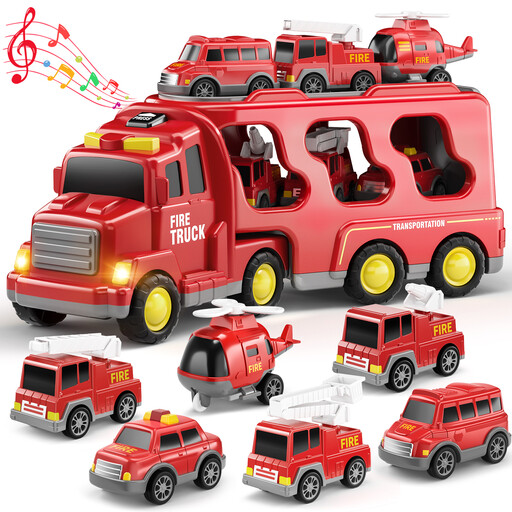
Why It's a Great Fit: This set is tailored to the needs of toddlers. The large transporter and smaller vehicles are easy to grip and encourage role-playing and fine motor skills. It's a complete play concept that's ready to go right out of the box.
The set consists of robust, age-appropriate parts without delicate add-ons that could easily break. It avoids the trap of poor material quality for this age group.
As a complete car play set with a carrier and several small cars, it offers high play value and encourages tidying up.

Why It's a Great Fit: Ideal for teenagers and adults starting a collection or who have a passion for classic car models. The high level of detail and authentic replication make it an attractive display piece.
This metal die-cast car meets the expectations of a collector's model. Its craftsmanship is focused on detail and durability, not the ruggedness of a toddler's toy.
The die-cast body and opening doors provide a premium feel and realism that simple plastic models lack. An ideal gift for kids in their teens and for adults.
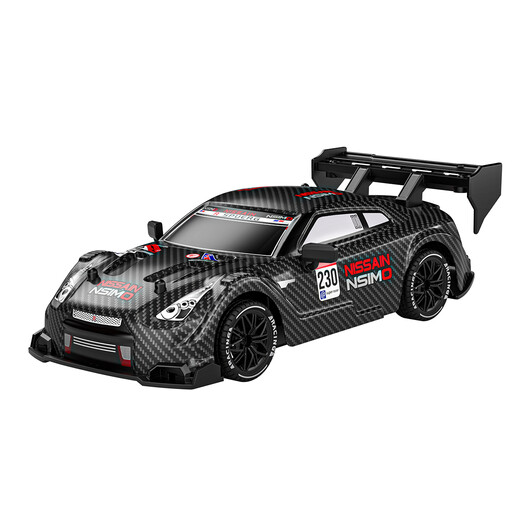
Why It's a Great Fit: This RC vehicle is aimed at advanced users who want more than just simple driving. The ability to switch between drift and racing tyres offers two different driving experiences in one package.
It avoids the trap of mismatched features by offering proportional control and all-wheel drive, providing a precise and sophisticated level of control that matches the target audience's age and skill.
The set includes two sets of tyres (drift and racing), which increases its play value and versatility. The battery is rechargeable, which avoids hidden costs for disposable batteries.
We have compiled a complete, up-to-date list of products that fully meet these strict selection criteria and European safety regulations.
1. What should I look for in the material description of toy cars? Pay attention to the distinction between die-cast metal, which stands for durability and detail in model cars, and high-quality, BPA-free ABS plastic for toys intended for younger children. Regardless of the material, the CE marking on the packaging is an important indicator that the product meets basic EU health and safety requirements.
2. What does the scale on model cars mean (e.g., 1:64, 1:36)? The scale describes the size ratio of the model to the real vehicle. A number like 1:64 means the model is 64 times smaller than the original. Common scales include 1:64 (e.g., Hot Wheels set), which are small and ideal for play sets, as well as 1:36, 1:24, or 1:18, which are larger and typically feature a higher level of detail, making them attractive to collectors.
3. Do remote-controlled cars require special batteries? This varies by model. Many modern remote-controlled cars come with a rechargeable battery pack and a USB charging cable. This is more cost-effective in the long run than models that require disposable batteries (e.g., AA or AAA). Always check the product description to see what batteries are needed and whether they are included to avoid unexpected follow-up costs.