
Lieferung heute & morgen

Qualitätsgarantie

Willkommens-Angebote freischalten: KOSTENLOSE Lieferung | Bis zu 80 % RABATT | Kostenlose 30-Tage-JoyPlus-Testphase
App herunterladen
The search for the right toy car can quickly become overwhelming. Whether as a gift for a child or an addition to your own collection, the market is filled with models that look impressive at first glance but don't always live up to their promises. As your Joybuy Product Recommendation Officer, I'll help you identify the key features and avoid common purchasing pitfalls.
Many buyers are swayed by flashy advertising or colourful packaging. But this is often where weaknesses are hidden, leading to disappointment.
To make an informed decision, you should check three core parameters. These will help you objectively assess a model's quality and utility.
The durability of a toy car depends directly on its material. Models made from die-cast metal, often found in Siku cars or collector's cars, consist of a metal alloy, making them particularly robust and impact-resistant. High-quality ABS plastic, used for instance in Bruder vehicles, is also very stable, shatterproof, and allows for the creation of complex, moving parts. Regardless of the material, look for a clean finish with no sharp edges and securely attached wheels.
The scale indicates the size ratio of the model to the original vehicle. Common scales are:
Choosing a consistent scale ensures that different vehicles fit together, creating a cohesive play world.
A good toy car challenges without overwhelming. For toddlers, simple push-along vehicles without small, swallowable parts are the right choice. For preschool-aged children (3-6 years), sets with multiple vehicles, like a toy truck with a loading function or a simple car transporter, are suitable. Older children (8+) or adult collectors will appreciate detailed model cars with moving parts or technical kits that foster a deeper understanding of mechanics. A suitable gift for children always considers their current developmental stage and interests.
Here are some recommendations tailored to different needs and user profiles.
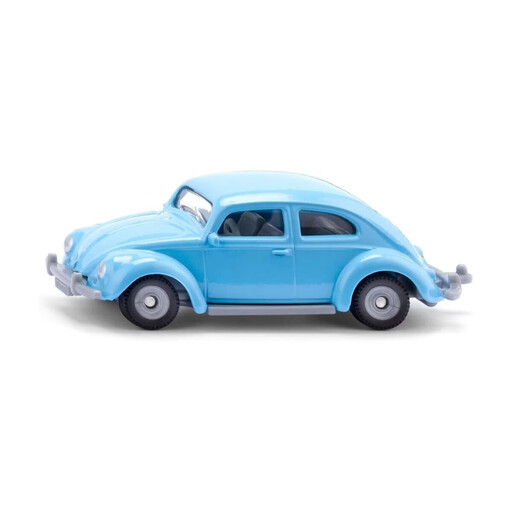
Why it's a great fit: This model is a classic entry-point. It's robust enough for intensive play and detailed enough to be the cornerstone of a collection. The combination of metal and plastic offers high durability at an accessible price point.
The sturdy metal body prevents the problem of brittle, breaking plastic. Its timeless design encourages imagination instead of limiting it with short-lived electronic effects.
Robust construction and rubber tyres for smooth rolling action. High recognition value of the classic design.

Why it's a great fit: This set is more than just a vehicle. It offers a complete play environment with a transporter, sports car, and functional elements like a cable winch. Ideal for children who love to act out complex scenarios and expand their play world.
Instead of relying on short-lived effects, this set offers mechanical functions that sustainably increase its play value. The high-quality ABS plastic is known for its durability, and the 1:16 scale vehicles are fully compatible within the Bruder world.
Comprehensive set with an extendable loading ramp, cable winch, and Light & Sound Module. Encourages role-playing and an understanding of mechanics.
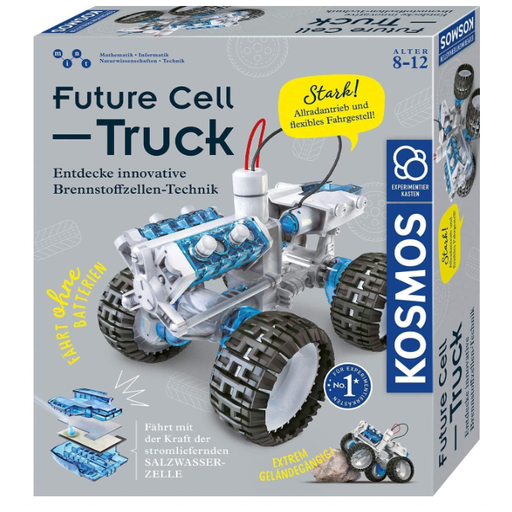
Why it's a great fit: This set is the ideal choice for inquisitive children. It combines the fun of building and driving an off-road vehicle with a genuine learning experience about forward-thinking propulsion technologies. A gift that sparks curiosity and imparts knowledge.
Instead of superficial effects, this model focuses on an innovative and educational function. The value lies in understanding the saltwater fuel cell, which offers a far greater and more sustainable benefit than any flashing LED.
The vehicle is assembled from over 80 parts and runs emission-free on just saltwater. Playfully imparts knowledge about alternative energies.
Especially in the transporter category, there are many models that stand out with clever features and high compatibility. We have compiled a selection of products that meet our criteria.
1. Which material is better for toy cars: metal or plastic? Both materials have their advantages. Die-cast metal, as used in many Siku or Majorette models, is extremely durable and has a satisfying weight. High-quality ABS plastic, used by brands like Bruder, is lighter, also very robust, and allows for the integration of more moving and functional parts. For younger children, it's important that all materials are non-toxic and have no sharp edges.
2. What does the scale on model cars mean? The scale describes the size ratio of the model to the real vehicle. A scale of 1:64 means the toy car is 64 times smaller than the original. Models in 1:16 scale are significantly larger and often offer more details and functions. Choosing a consistent scale is wise if you want to build a collection or a matching play world.
3. From what age are toy trucks and construction vehicles suitable? Simple, robust truck models without small parts are suitable for children as young as two. More complex construction vehicle toys with detailed functions like cranes, shovels, or tipping mechanisms are generally recommended for children aged three or four and up. These require better fine motor skills and may contain small parts that could be swallowed. Therefore, always check the manufacturer's age recommendation on the packaging.