
Lieferung heute & morgen

Qualitätsgarantie

Willkommens-Angebote freischalten: KOSTENLOSE Lieferung | Bis zu 80 % RABATT | Kostenlose 30-Tage-JoyPlus-Testphase
App herunterladen
By Joybuy Product Recommendation Officer, 29 August 2026
Toy cars have fascinated generations and are a staple in children's playrooms. However, the selection is vast and overwhelming. From simple push-along vehicles to complex RC models, finding the right one is often more challenging than you might think. Many products over-promise and under-deliver, leading to disappointment instead of long-lasting fun. This guide will help you avoid common purchasing pitfalls and make an informed decision.
Before you make a decision, you should be aware of the most common problems that often only become apparent after unboxing.
To avoid these traps, focus on objective and verifiable features. Three core parameters are crucial for your selection.
The durability and safety of a toy car depend directly on its material. Pay attention to the following points:
The scale indicates the size ratio of the model to the original vehicle and is crucial for its intended use.
The type of drive system determines the interaction with the toy.
Instead of making a one-size-fits-all recommendation, we have selected models tailored to specific needs and age groups.
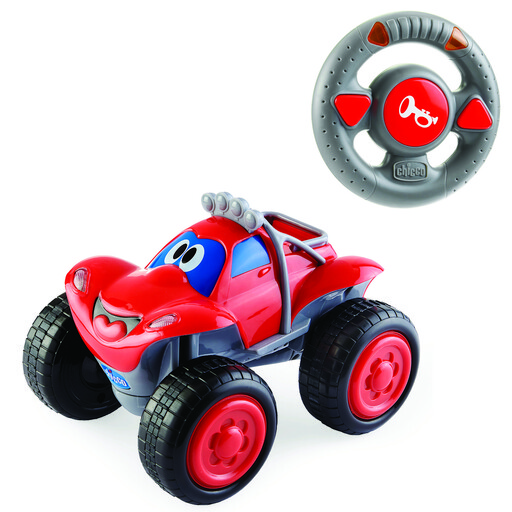
Why This Fits Their Persona: This remote-controlled car is specifically designed for toddlers. The intuitive steering wheel remote, controlled by tilting, promotes hand-eye coordination without being overwhelming. The robust build and large wheels are ideal for small hands and boisterous play.
It avoids the pitfall of inappropriate complexity. Instead of multiple buttons, it features simple, motion-based controls that toddlers understand instantly. The durable material withstands tumbles.
Intuitive steering wheel remote; robust construction with large wheels for various surfaces; realistic engine sounds during acceleration.
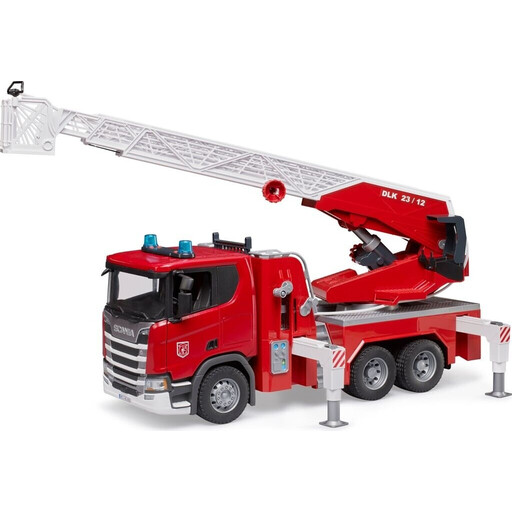
Why This Fits Their Persona: For children who love detailed and functional models, this fire engine is ideal. At a 1:16 scale, it offers realistic features like an extendable turntable ladder, a working water hose, and a light and sound module. It encourages role-playing rescue missions.
It bypasses the trap of overhyped features. The water hose and mechanical ladder work reliably, offering genuine play value. The ABS plastic used ensures the necessary stability.
1:16 scale for realistic play; fully functional water hose with tank and extendable turntable ladder; made from high-quality ABS plastic.
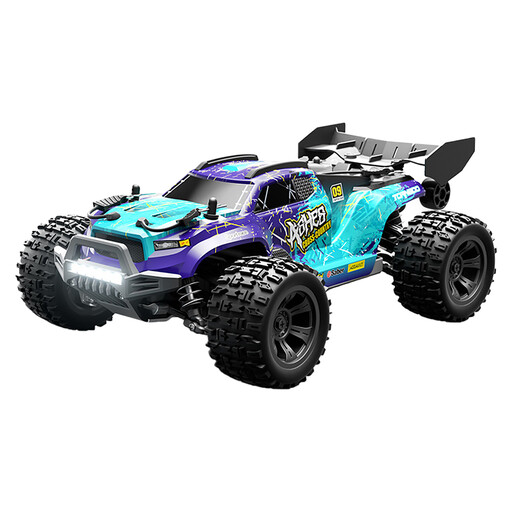
Why This Fits Their Persona: This RC car is aimed at older children, teenagers, and adults looking for a high-performance off-road vehicle. With 4WD all-wheel drive, a reinforced aluminium chassis, and a professional 2.4 GHz transmitter, it delivers true off-road performance for challenging terrain.
It escapes the pitfall of basic toy-grade RC cars. Instead of a weak motor and fragile plastic, it offers a robust metal chassis and a powerful drive system designed for real-world terrain.
4WD all-wheel drive and reinforced aluminium chassis for all-terrain capability; professional 2.4 GHz transmitter for precise, interference-free control; large, non-slip tyres and LED headlights.
We have compiled a complete, real-time list of products that fully satisfy these strict selection criteria and UK safety regulations.
The manufacturer's age recommendation is an important guideline. Additionally, check if the toy matches the child's developmental stage. For children under 3, small parts that can be swallowed are a deal-breaker (Note: pay attention to the warning label). Also, consider the complexity of the functions and the motor skills required to operate them.
Entry-level RC cars are typically slower, more robust, and have simpler controls. They are designed to withstand collisions. Advanced models offer higher speeds, more precise controls (often with adjustments for steering and throttle), a more complex suspension, and may require maintenance and repair. The chassis often consists of metal parts, and the electronics are more powerful.
For large, functional, and realistic toy vehicles, Bruder is a leading brand. In the smaller die-cast metal model category, Siku (often focusing on German and European vehicles like tractors or buses), Majorette, and Hot Wheels are very common. While Siku and Majorette often focus on true-to-life everyday and commercial vehicles, Hot Wheels is also known for fantasy vehicles and racing cars. For fans of TV series, brands like Spin Master offer corresponding Paw Patrol vehicles.