
Lieferung heute & morgen

Qualitätsgarantie

Willkommens-Angebote freischalten: KOSTENLOSE Lieferung | Bis zu 80 % RABATT | Kostenlose 30-Tage-JoyPlus-Testphase
App herunterladen
The selection of toy cars is vast, ranging from simple push-along vehicles for toddlers to detailed collector's items. However, not every model lives up to its promise. Many buyers find themselves with products that break quickly, pose safety risks, or are unsuitable for the specified age. This guide will help you avoid common purchasing pitfalls and find a suitable and durable toy car.
Before you make a decision, you should be aware of three common flaws that often only become apparent after the purchase:
To make an informed decision, you should focus on three core parameters. These will help you objectively assess the quality and suitability of a toy car.
Safety is the most important criterion, especially for a car for toddlers. Pay attention to the following points:
The functions of a toy car should match the child's motor and cognitive skills.
The type of drive significantly determines the play style. Manual push-along cars offer full control, while models with a pull-back motor are great for simple races. Battery-operated vehicles with lights and sound provide additional sensory stimuli. A remote-controlled car allows for complex manoeuvres and competitions. Also, check if the toy is part of an expandable system, as is the case with many parking garages or themed sets.
Here are some recommendations tailored to different needs and age groups.

Why this product is a great fit: Ideal for the youngest children as it combines sensory learning with safe play. The large, soft cubes are easy to grip and promote motor skills as well as the association of pictures and sounds.
The soft fabric material and the 7x7 cm size of each cube eliminate the risk of sharp edges or swallowable small parts. The battery compartment is child-proof and secured with a screw.
Promotes fine motor skills and auditory perception by combining gripping, rolling, and hearing vehicle sounds.
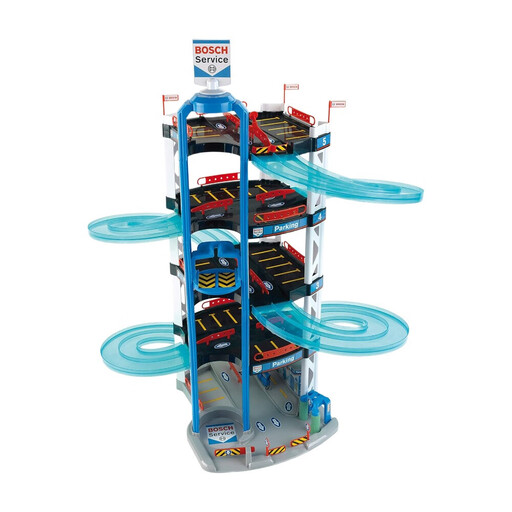
Why this product is a great fit: This set provides a complete play environment that goes beyond a single vehicle. It encourages creativity, spatial reasoning, and role-playing centred around a car workshop and racing.
Instead of being a single-function toy, this toy parking garage offers an open-ended play system. The sturdy construction and double-lane ramp for racing prevent boredom from setting in quickly.
Fosters creativity and spatial thinking. It includes two racing cars, so the fun can start right out of the box.
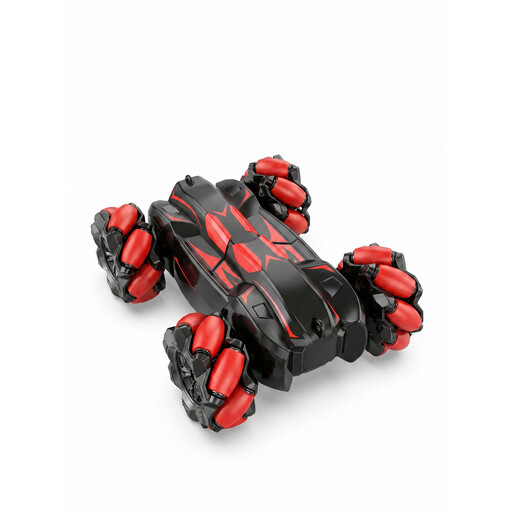
Why this product is a great fit: This remote-controlled car offers advanced features like sideways drifting and 360° spins. The dual control modes (remote control and gesture-control watch) provide variety and a steep learning curve.
It features a rechargeable lithium battery for extended playtime and robust Mecanum wheels for use on various surfaces. This addresses the typical weaknesses of RC cars.
Versatile stunt capabilities and two control modes for beginners and advanced users. The LED wheels also allow for play in the dark.
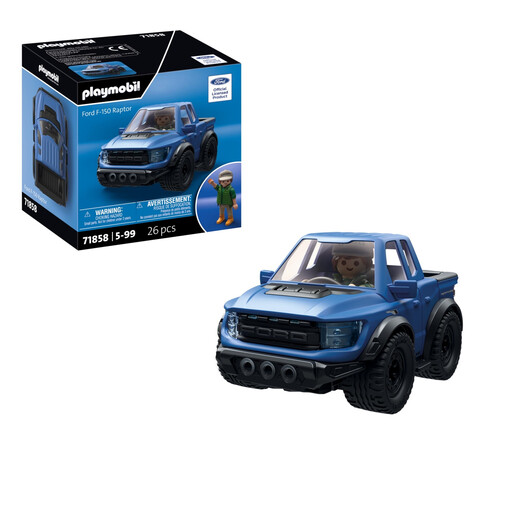
Why this product is a great fit: This licensed model car combines the detailed design of a collector's item with the robust playability of PLAYMOBIL. It is suitable for children from 4 years old as well as adult enthusiasts.
Unlike generic toy cars, this model offers an authentic, licensed design. The high-quality construction ensures it serves as both a durable toy and a display piece.
Officially licensed Ford model with a removable roof and robust construction, blending play with a passion for collecting.
We have compiled a complete, up-to-date list of products that fully meet these strict selection criteria and safety regulations.
For toys intended for children under three, safety is the top priority. Look for a sturdy construction with no small parts that could detach (choking hazard). The material should be non-toxic, and the edges should be rounded. Handling must be simple, so basic push-along cars or large, easy-to-grip vehicles without complex electronics are the most suitable choice.
The main difference lies in the level of detail and the intended purpose. Model cars or collector's cars are often scale replicas of real vehicles, frequently made of metal (die-cast), and are aimed at collectors and enthusiasts. Toy cars are primarily designed for play, are usually made of robust plastic, and are less detailed but more durable.
Vehicles with electronics, such as toy cars with lights and sound, should never be submerged in water. Clean the surface only with a slightly damp cloth. Avoid aggressive cleaning agents. If the toy is not used for an extended period, the batteries should be removed to prevent leakage and damage to the electronics.