
Lieferung heute & morgen

Qualitätsgarantie

Willkommens-Angebote freischalten: KOSTENLOSE Lieferung | Bis zu 80 % RABATT | Kostenlose 30-Tage-JoyPlus-Testphase
App herunterladen
The world of toy cars is vast, ranging from simple ride-on cars for toddlers to complex RC models for hobbyists. But this wide variety also has its drawbacks. Many products entice with impressive features, only to prove a disappointment after a short time. As your Joybuy Product Recommendation Officer, I'm here to help you spot the common pitfalls and make an informed decision.
Before you choose a model, you should be aware of the three most common issues that lead to disappointment:
To avoid these traps, you should check three core technical parameters. These will give you an objective basis for your purchasing decision.
The performance and endurance of an electric toy car depend on two values: Voltage (V) and Capacity (Ah/mAh).
The durability of a toy car is determined by the materials used.
The type of remote control must match the child's age and abilities.
Here are some recommendations tailored to different user profiles that meet the criteria mentioned above.
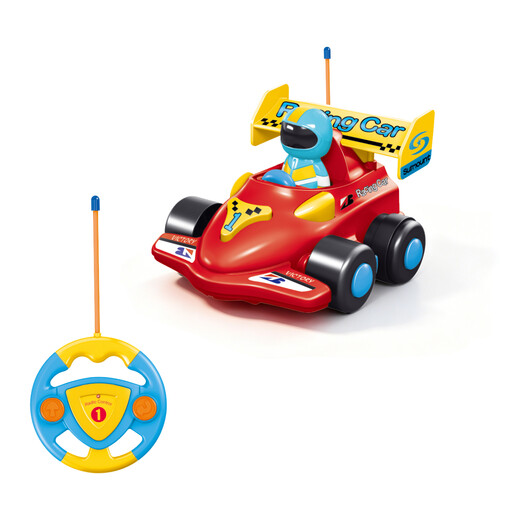
Why It's a Great Fit: Ideal for toddlers getting their first experience with a remote control car. The simple controls and sturdy build are perfectly matched to the motor skills and play style of this age group.
The intuitive two-button control avoids the "Age-Mismatch Trap" of being too complex. Its solid construction is designed to withstand bumps and tumbles, thus avoiding the "Material Trap".
Simple controls (forward, reverse/turn). Robust build with high-quality materials. Extra play features like light and sound effects.
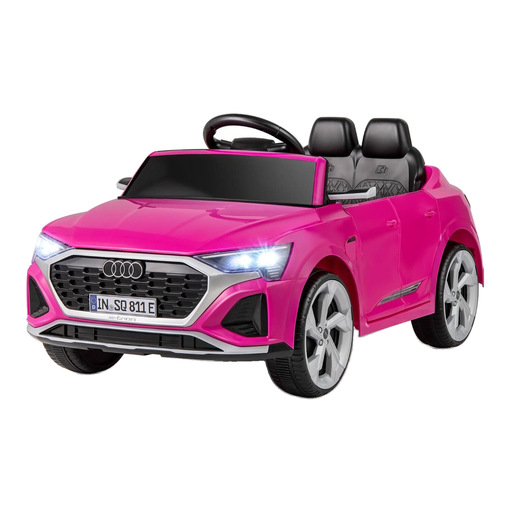
Why It's a Great Fit: This licensed Audi model offers an authentic driving experience for kids. It combines a self-drive mode with a parental remote for maximum safety and control.
The 12V battery ensures a decent runtime, avoiding the "Battery Trap." The dual driving mode (child/parent) and safety features like the soft start function solve the "Age-Mismatch Trap," as the vehicle can grow with the child.
Two driving modes (manual and remote control). Seat belt and soft-start function. Four-wheel suspension for a smooth ride on various surfaces.
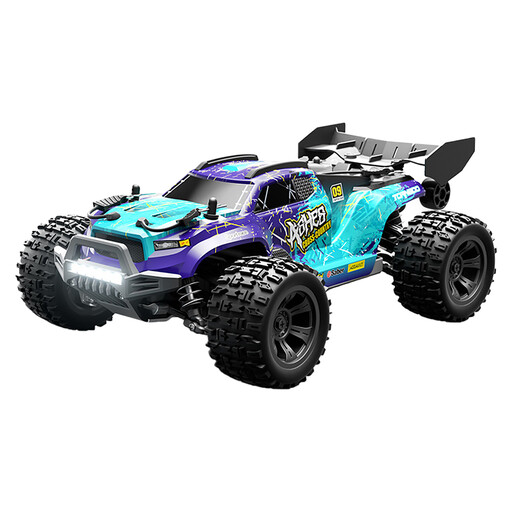
Why It's a Great Fit: This RC car is aimed at teens and adults looking for a high-performance, durable hobby-grade vehicle. It's designed for challenging terrain and high speeds.
The reinforced aluminium chassis and rugged body withstand hard impacts, avoiding the "Material Trap." The large 7.4V 1500mAh battery provides long runtimes, while the professional 2.4 GHz controller allows for precise manoeuvres.
Reinforced aluminium chassis for high stability. Powerful brushed motor and all-wheel drive. Professional 2.4 GHz remote control with adjustable parameters.
We have compiled a complete, up-to-date list of products that fully meet these strict selection criteria and safety standards.
1. What is the actual runtime of a kids' electric car? The runtime heavily depends on the battery capacity (in Ah), the child's weight, the speed, and the driving surface. As a rule of thumb, a 12V 7Ah battery can provide about 60 to 90 minutes of continuous use. This time can be shorter when driving uphill or on rough terrain.
2. Can multiple RC cars run at the same time without interference? Yes, this is possible if the vehicles use 2.4 GHz radio technology. This technology prevents signal interference, allowing multiple drivers to operate their RC cars side-by-side. This is standard for most modern remote control cars, especially in the hobby-grade category.
3. How can I identify a durable toy car for outdoor use? Look for a combination of several features: independent suspension on the wheels, grippy rubber tyres instead of hard plastic, and a body made of resilient ABS plastic. For more powerful off-road models, components made of metal, such as the chassis or parts of the suspension, are a clear sign of durability.