
Lieferung heute & morgen

Qualitätsgarantie

Willkommens-Angebote freischalten: KOSTENLOSE Lieferung | Bis zu 80 % RABATT | Kostenlose 30-Tage-JoyPlus-Testphase
App herunterladen
The search for the right toy car can quickly become overwhelming. Whether for the playroom, as a gift, or for your own collection—the selection is vast. But not every model delivers on its promise. As a Joybuy Product Recommendation Officer, I filter the relevant information for you, so you can make an informed decision and avoid common purchasing traps.
Many buyers focus on appearance or advertising claims, overlooking crucial quality features. This often leads to disappointment and unnecessary expense. Pay special attention to these three points:
To avoid a purchase you'll regret, you should check three fundamental criteria. These will help you objectively assess the quality and long-term value of a toy car.
The material is a direct indicator of longevity.
The scale indicates the size ratio of the model to the original vehicle.
The features determine the play value.
Here are some recommendations tailored to different user profiles that meet the quality criteria mentioned.
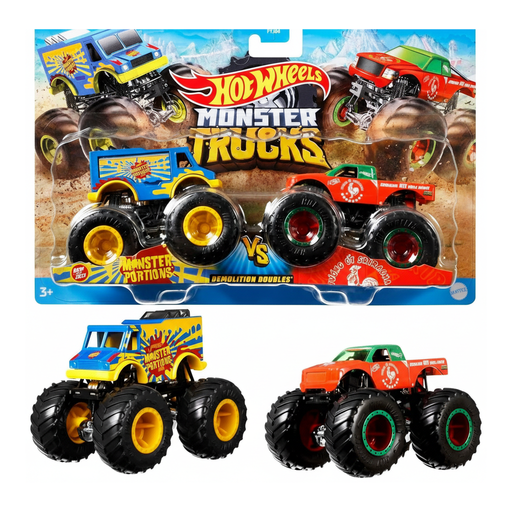
Why this model is a great fit: Ideal for children who love action-packed play. These Monster Trucks are explicitly designed for collisions and rugged use, offering immediate two-player fun.
The construction is designed for durability and crash action, directly addressing the problem of poor robustness found in many other toy cars.
Comes in a 2-pack, allowing for duels right out of the box. No assembly or batteries required.
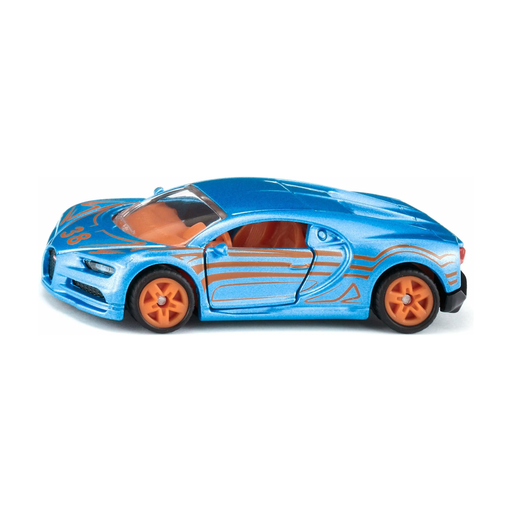
Why this model is a great fit: Perfect for anyone who values detail and a high-quality feel. This Siku car is an authentic replica of a supercar, suitable for both play and display in a cabinet.
Siku is known for its true-to-scale and robust metal models. This avoids the problem of inaccurate size ratios and ensures compatibility within the Siku world.
The metal body, rubberised tyres, and opening doors offer a high degree of realism and stability.

Why this model is a great fit: This remote control car offers advanced features like all-wheel drive and a sturdy metal body for driving fun on any terrain, from the living room to the garden.
The model comes with two batteries, providing up to 60 minutes of playtime. This directly addresses the pitfall of short battery life and avoids hidden follow-up costs.
The all-wheel drive (4WD) and metal body ensure off-road capability and high durability. The LED headlights also allow for driving at dusk.
We have compiled a complete, up-to-date list of products that fully meet these strict selection criteria.
1. What is the most common scale for toy cars? The most widely used scale is 1:64. It is used by brands like Hot Wheels and Matchbox and offers a good balance between detail and compactness. For collectors who want more detail, larger scales like 1:43, 1:24, or 1:18 are popular. Siku offers a variety of scales, often tailored to the specific vehicle category (cars, trucks, agricultural machinery).
2. From what age are metal toy cars suitable? Most manufacturers recommend a minimum age of 3 years. This is due to small parts that could potentially detach and pose a choking hazard. It is important to always observe the manufacturer's age recommendation on the packaging and to ensure supervision for younger children.
3. How do you clean model cars properly without damaging them? A soft, dry cloth should be used for cleaning. For heavier soiling, the cloth can be slightly dampened. Never fully submerge the model car in water, as this can damage the mechanics and decals. Dust in fine crevices can be carefully removed with a soft brush or compressed air from a safe distance.