
Lieferung heute & morgen

Qualitätsgarantie

Willkommens-Angebote freischalten: KOSTENLOSE Lieferung | Bis zu 80 % RABATT | Kostenlose 30-Tage-JoyPlus-Testphase
App herunterladen
The selection of toy cars and vehicles is vast, and making the right choice can be a challenge. Whether as a gift idea for children or for your own collection, well-intentioned purchases often lead to disappointment when the product fails to meet expectations. Many buyers encounter problems like parts that break easily or features that are unsuitable for the specified age. This guide will help you identify common pitfalls and make an informed decision.
Before deciding on a model, it's helpful to know the typical weaknesses that often only become apparent after unboxing.
To avoid the problems mentioned above, you should check three key aspects. These will help you objectively assess a product's quality and suitability.
The durability and safety of a toy depend directly on its material. Pay attention to the following points:
A vehicle's play value is determined by its features, which must be appropriate for the child's age and abilities.
A good toy offers more than just one function. Sets that allow for various play scenarios have a higher and more lasting value. A transport truck that doubles as a racetrack, or a construction crane that can be combined with other construction vehicles, stimulates creativity and can be integrated into existing play worlds. Such products are considered good educational toys as they encourage problem-solving skills.
Here are some recommendations tailored to different user profiles and requirements.

Why it's a great fit: This set combines a large transporter with an integrated launch ramp and eight small metal cars. It offers diverse play opportunities—transporting, racing, and organizing—making it ideal for children who are just beginning to develop complex play scenarios.
With its 3-in-1 function and numerous included vehicles, the set provides long-lasting engagement, thus preventing quick boredom. The construction is designed for the target age group and is robust enough for active play.
Combines a vehicle transporter, racetrack launcher, and storage in one toy. Includes 8 die-cast cars for immediate fun.
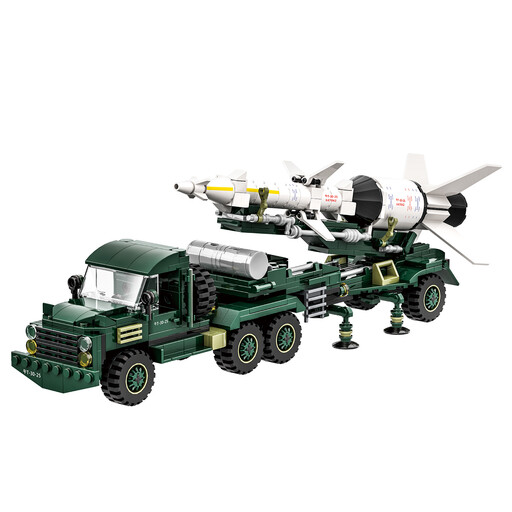
Why it's a great fit: This set is aimed at older children and teenagers who enjoy building. With 489 pieces, it creates a detailed military vehicle that promotes concentration and spatial reasoning. It's a great gift idea for kids who have outgrown simpler toys.
By focusing on the building process, it avoids the trap of being too simplistic for an older audience. The ABS plastic parts ensure a stable and durable construction for the finished model.
Promotes technical skills and patience. The finished model is suitable for both play and display for military enthusiasts.
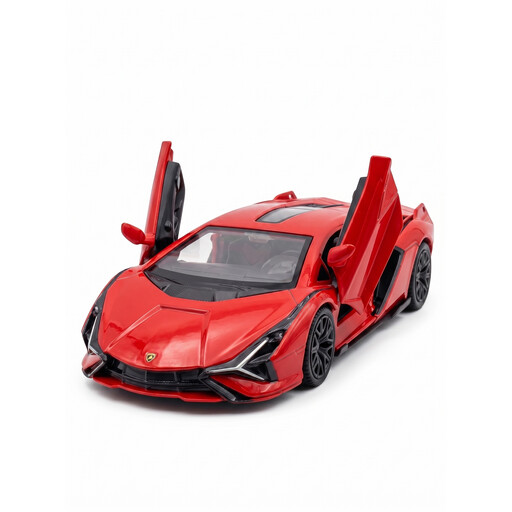
Why it's a great fit: This 1:36 scale model is clearly aimed at collectors and older car enthusiasts (recommended for ages 14 and up). The die-cast metal construction, opening doors, and detailed replica make it a high-quality display piece.
Its clear positioning as a collector's item with an age recommendation of 14+ avoids the pitfall of an inappropriate age rating. The durable metal material ensures the model will look great for years to come.
High-quality die-cast metal material and realistic details like opening doors. Ideal for a display case or desk.
We've compiled a complete, up-to-date list of products that fully meet these strict selection criteria and rigorous safety standards.
What should I look for with the CE marking on toy cars? The CE marking is a self-declaration by the manufacturer that the product complies with applicable EU directives. For toys, this primarily means adherence to the Toy Safety Directive (EN 71), which regulates mechanical properties, flammability, and the migration of certain chemical elements. Ensure the mark is clearly visible on the product or its packaging.
From what age are remote-controlled toys suitable? Simple remote-controlled cars with basic forward-backward and left-right steering can be suitable for children from around four years old. More complex models like drones, stunt vehicles, or tanks with additional functions require finer motor skills and a better technical understanding, and are therefore often recommended for children aged eight or older.
How does a collectible model car differ from a regular toy car? The main difference lies in the intended use and level of detail. Collectible model cars prioritize a true-to-scale and detailed replica of the original. They are often made from high-quality materials like die-cast metal and are primarily intended for display. A regular toy car, on the other hand, is designed for robust, active play, with durability and ease of handling being the main focus.