
Lieferung heute & morgen

Qualitätsgarantie

Willkommens-Angebote freischalten: KOSTENLOSE Lieferung | Bis zu 80 % RABATT | Kostenlose 30-Tage-JoyPlus-Testphase
App herunterladen
The selection of toy cars is enormous, ranging from simple push-along vehicles for toddlers to complex RC cars for hobby enthusiasts. This variety often makes finding the right model complicated. Many buyers are swayed by flashy ads or supposed special offers, only to find out later that the product doesn't meet their expectations. This guide will help you recognise common purchasing traps and make an informed decision.
As a Joybuy Product Recommendation Officer, I see it as my mission to provide you with objective and practical information so you can find the perfect vehicle for your needs or as a gift for kids.
Before we dive into the details, let's look at three common issues that can lead to disappointment:
To avoid these pitfalls, you should check three core parameters before buying. These will help you objectively assess the quality and suitability of a toy car.
The material is crucial for durability and intended use.
The type of drive system largely determines the fun and complexity.
Always check the manufacturer's age recommendation. This is based on safety tests and developmental suitability.
Here are some recommendations tailored to different user profiles that take the above criteria into account.

Why it's a great fit: This set is ideal for imaginative play. It combines a large toy truck, a launch ramp, and a storage solution for the eight included die-cast cars. It encourages organisation and offers diverse play scenarios for children aged 3 and up.
The set is made from robust plastic designed for active play. The mechanical functions are simple and reliable, so there's no disappointment from non-working electronics.
Multifunctional 3-in-1 playset (transporter, racetrack, storage) including 8 vehicles for immediate fun.
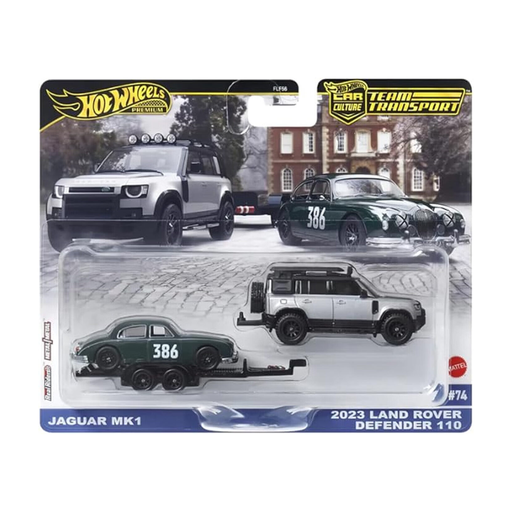
Why it's a great fit: This set from the Hot Wheels Premium series is aimed at collectors and enthusiasts. The high level of detail, premium metal and plastic construction, and thematic combination of a race car and transporter make it an attractive display piece.
As a premium collector's item, this set relies on high-quality materials (die-cast metal) and precise manufacturing. It is designed for longevity and aesthetic value, not for the lowest possible price.
A highly detailed collector's set from the Car Culture series that appeals to both young and adult automotive fans.
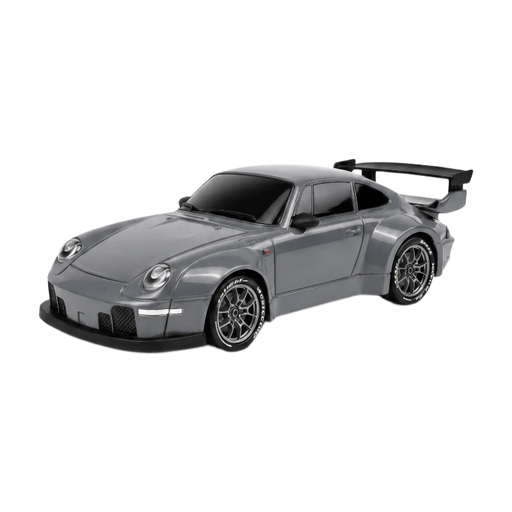
Why it's a great fit: This RC car offers a great entry point into the hobby. With all-wheel drive, a gyro stabiliser for driving assistance, and two sets of interchangeable tyres (for grip and drift), it allows for versatile driving experiences. It's suitable for teens and adults looking for more than just a simple toy.
It uses an interference-free 2.4 GHz remote control and offers genuine, functional features like the gyro and swappable tyres. This avoids the disappointment of empty advertising promises and provides real added value.
All-wheel drive, a gyro stabiliser, and two sets of tyres for drift and race action provide a sophisticated and customisable driving experience.
We have compiled a complete, up-to-date list of products that fully meet these strict selection criteria and UK safety regulations.
1. What should I look for in an RC car's battery life? Battery life varies greatly depending on the model and driving style. Inexpensive models often provide only 10-15 minutes of drive time. Hobby-grade models can achieve 20-30 minutes or more. An important factor is whether spare batteries are included or can be easily purchased. Models with a USB charging cable also offer flexible charging options.
2. What does the scale of a model car mean (e.g., 1:24 or 1:36)? The scale indicates the size ratio of the model to the original vehicle. A 1:24 scale model is 24 times smaller than the real car. Common scales are 1:64 (e.g., Hot Wheels), 1:36 or 1:43 (compact collector models), and 1:24 or 1:18 (larger, often more detailed models). A smaller scale number (e.g., 1:18) means a larger car, while a larger scale number (e.g., 1:64) means a smaller car.
3. Are die-cast cars just for collecting, or are they suitable for play? It depends on the model. Simple die-cast cars like those from Hot Wheels or Matchbox are robust and explicitly designed as a toy car for boys and girls. High-quality, detailed collector models in larger scales are more delicate and better suited for a display case or careful handling by older children and adults. They often do not stand up to intensive play.