
Lieferung heute & morgen

Qualitätsgarantie

Willkommens-Angebote freischalten: KOSTENLOSE Lieferung | Bis zu 80 % RABATT | Kostenlose 30-Tage-JoyPlus-Testphase
App herunterladen
The selection of toy cars is immense, ranging from simple push-along cars for toddlers to highly detailed collector's models. However, this variety can also lead to uncertainty. It's not uncommon for a product with promising advertising to fall short of expectations, leading to disappointment for the child and unnecessary expense. This guide will help you identify common pitfalls and make an informed decision.
Before you make a purchase, you should familiarise yourself with some common problems that often only become apparent after unboxing.
To avoid the problems mentioned above, it is advisable to examine a few technical parameters and features more closely.
The durability and safety of a toy car depend directly on its material. Look for robust plastics like ABS (Acrylonitrile Butadiene Styrene), which is known for being impact-resistant and durable. For Die-Cast Cars, a solid metal alloy is a mark of quality. The CE marking is essential, as it indicates the manufacturer's declaration that the product complies with applicable EU requirements. Additional safety seals like the GS mark ("Geprüfte Sicherheit" or "Tested Safety") signal that the product has been tested by an independent body. Also, look for labels like "non-toxic" or "non-toxic paints," especially for toys intended for toddlers.
The play value of a vehicle must match the child's developmental stage.
The type of drive system significantly determines its use. Manual push-along vehicles are maintenance-free and always ready to go. Models with a pull-back motor offer a simple, mechanical function. For electronic toys like a kids' electric car, the power supply is a central issue. Check whether standard batteries (e.g., AA, AAA) or built-in rechargeable batteries are used. In the long run, rechargeable batteries are often the more cost-effective and environmentally friendly solution. For remote-controlled models, the range and susceptibility to interference of the remote control (e.g., 2.4 GHz technology for interference-free operation) are important criteria.
Here are some recommendations tailored to different needs and age groups.

Why It's a Great Fit: Ideal for children aged 2 and up who are beginning to understand the world through sounds and images. The soft cubes are safe and playfully encourage matching vehicle pictures to their corresponding sounds.
Avoids the trap of an inappropriate age recommendation with simple, safe functionality perfectly tailored to toddlers, ensuring they are neither overwhelmed nor under-stimulated.
Promotes fine motor skills and auditory perception. The batteries are already included and secured in a child-safe, screwed compartment.
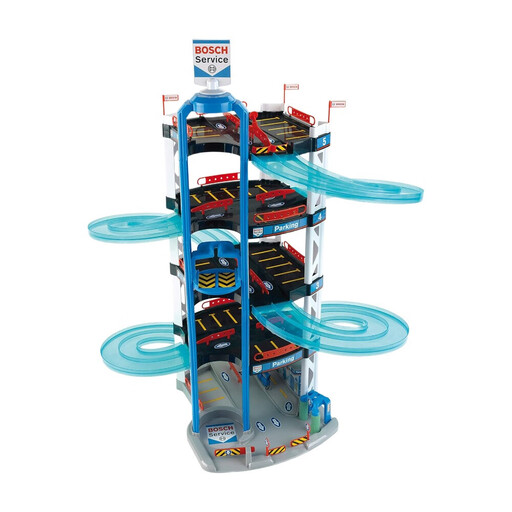
Why It's a Great Fit: This 5-level parking garage is designed for children aged 3 and up who love to act out entire scenarios. It offers diverse play opportunities with a lift, double-lane exit ramp, and service station.
Sidesteps the short lifespan trap with a sturdy construction and high-quality plastic that withstands even intensive play. It requires no batteries and incurs no follow-up costs.
High and long-lasting play value thanks to numerous functions and the ability to be combined with existing toy cars. Promotes creativity and spatial reasoning.
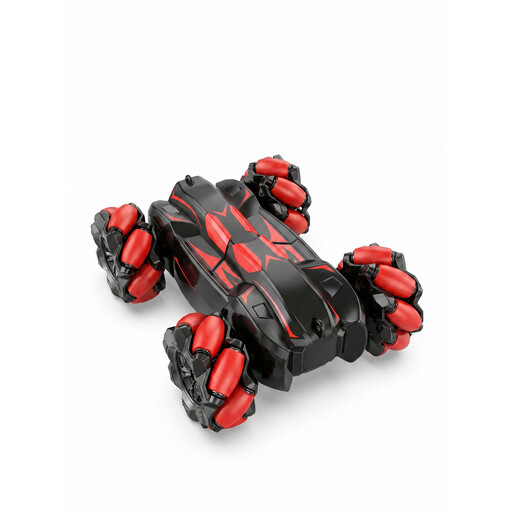
Why It's a Great Fit: For tech-savvy kids aged 6 and up who want to do more than just drive forwards and backwards. The special Mecanum wheels enable 360° drifts and lateral movements, providing an extraordinary driving experience.
Prevents boredom by offering an advanced yet intuitive control system and unique driving manoeuvres that conventional remote-controlled cars can't perform.
The 2.4 GHz remote control ensures precise and interference-free command. The vehicle is powered by a rechargeable battery, which minimises follow-up costs for disposable batteries.
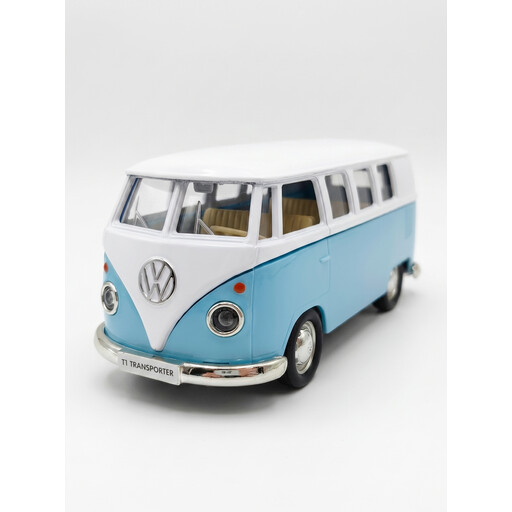
Why It's a Great Fit: This die-cast model is ideal for teenagers and adult collectors who value detail and authenticity. It's less of a toy and more of a display piece.
Avoids the trap of poor-quality materials by featuring a robust metal alloy body that ensures durability and a premium feel.
High level of detail with opening doors and a realistic replica design. The additional pull-back motor provides a simple play function if it ever moves from the display case to the floor.
We have compiled a complete, up-to-date list of products that fully meet these strict selection criteria and UK safety regulations.
The most important feature is the CE marking. For toys intended for children under three, ensure there are no small parts that could be a choking hazard. The battery compartment should always be securely screwed shut. Rounded edges and the use of non-toxic, saliva-resistant paints are other important safety aspects.
This varies greatly by product. AA or AAA batteries are common. Larger models like kids' electric cars use powerful rechargeable batteries (e.g., 12V or 24V). Read the product description carefully. It usually specifies whether batteries are included or need to be purchased separately.
Vehicles made of plastic or metal can usually be wiped down with a slightly damp cloth. Avoid aggressive cleaning agents. Electronic toys should never be submerged in water. For these, cleaning should only be done superficially with a dry or slightly damp cloth. Regularly check that all parts are still secure and that the wheels spin freely.